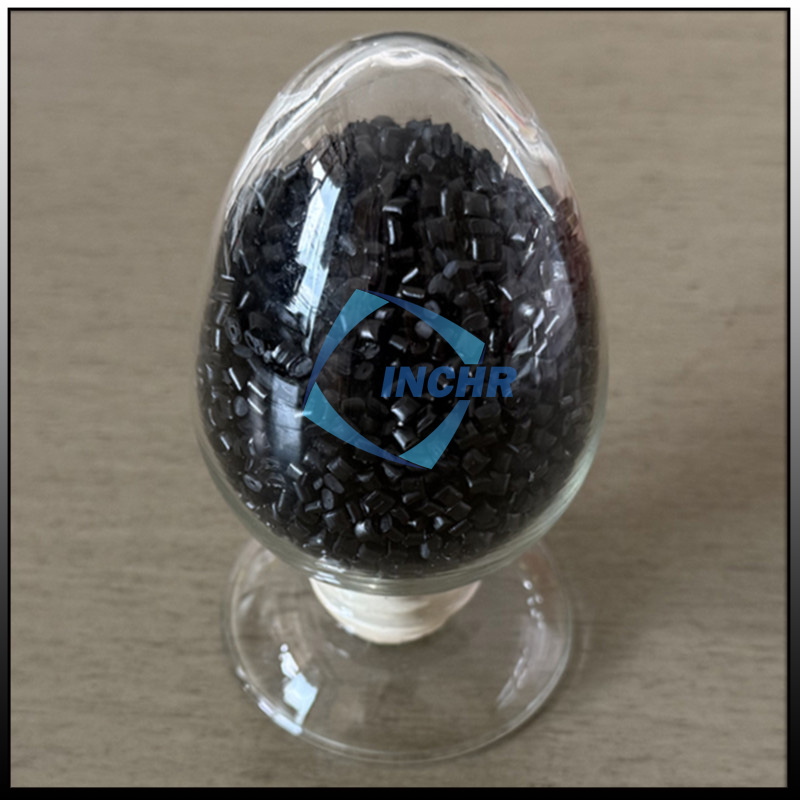
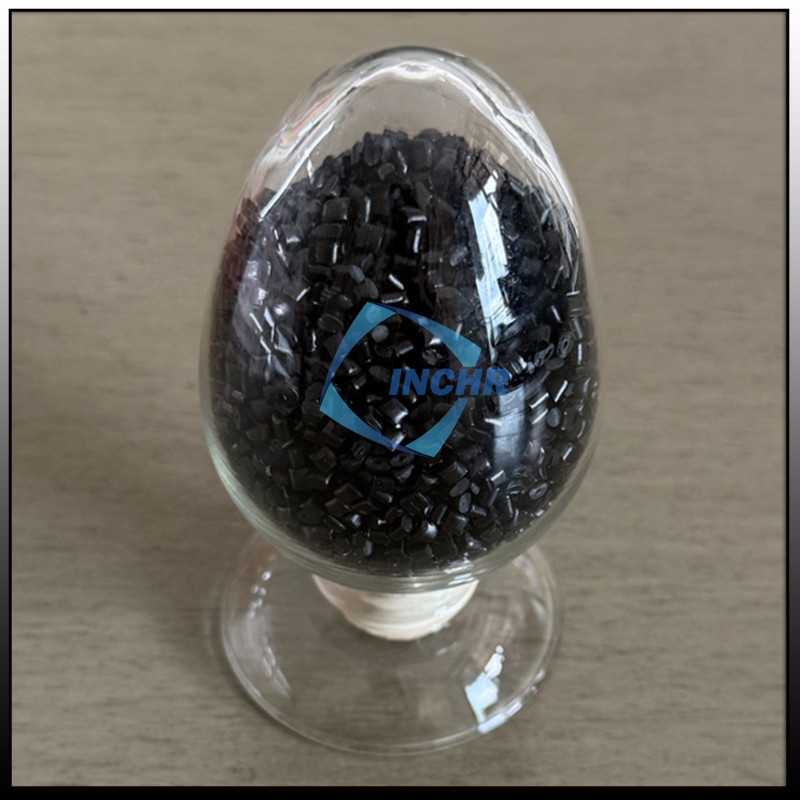
Carbon Fiber Reinforced Plastics (CFRP) are advanced composite materials that have revolutionized industries from aerospace to sports. If you’re new to this topic, this guide will explain the basics in an easy-to-understand way. CFRP combines carbon fibers with a plastic polymer matrix, resulting in a material that is incredibly strong yet lightweight. Imagine something as light as plastic but as strong as steel—that’s the power of CFRP! This makes it ideal for applications where weight savings are critical, such as in aircraft or high-performance cars.
What is CFRP?
At its core, CFRP is a composite material. Composites are made by combining two or more materials with different properties to create a new material with enhanced characteristics. In CFRP, the reinforcement is carbon fiber, which provides high strength and stiffness, while the matrix is a plastic polymer (often epoxy) that holds the fibers together and transfers loads. Carbon fibers are thin strands of carbon atoms aligned in a crystalline structure, giving them exceptional tensile strength—meaning they resist stretching forces well. When embedded in plastic, they form a durable, rigid material. CFRP is different from traditional metals like aluminum because it can be tailored for specific directions of strength, making it more efficient for design. For a deeper dive into composites, check out our introduction to composite materials.
A Brief History
CFRP isn’t a new invention; its development began in the mid-20th century. Initially used in niche aerospace applications in the 1960s, such as in military aircraft, it gained popularity due to its weight-saving benefits. Over time, advancements in manufacturing processes made CFRP more affordable and accessible. Today, it’s common in everyday products like laptop cases and bicycle frames. According toWikipedia’s CFRP page, the material’s use has expanded globally, driven by innovations in production techniques.
How is CFRP Made?
The manufacturing process involves several steps. First, carbon fibers are produced by heating synthetic polymers like polyacrylonitrile to high temperatures in an inert atmosphere, a process called carbonization. These fibers are then woven into fabrics or arranged in unidirectional tapes. Next, they are combined with a resin matrix through methods like hand lay-up, compression molding, or automated processes like filament winding. For example, in the aerospace industry, parts are often cured in autoclaves (high-pressure ovens) to ensure uniformity. This process allows for complex shapes to be created, reducing the need for multiple parts and joints.
Advantages and Disadvantages
CFRP offers numerous benefits. Its high strength-to-weight ratio is the biggest advantage—it can be up to five times stronger than steel at a fraction of the weight. This leads to improved fuel efficiency in vehicles and better performance in sports equipment. It also resists corrosion better than metals, reducing maintenance costs. However, there are drawbacks. CFRP can be expensive to produce, with raw materials and manufacturing costs higher than for metals. It’s also brittle under impact, meaning it can crack instead of bending, and recycling is challenging due to the mixed materials. Despite this, ongoing research aims to address these issues, as noted in a study by Materials Today journal.
Common Applications
CFRP is used in a wide range of fields. In aerospace, it’s found in aircraft wings and fuselages, such as in the Boeing 787 Dreamliner, where it reduces weight and improves efficiency. In the automotive industry, high-end cars like those from Ferrari use CFRP for body panels to enhance speed and safety. Sports enthusiasts benefit from CFRP in tennis rackets, golf clubs, and bicycles, where lightweight strength improves agility. Even in medical devices, CFRP is used for prosthetics due to its durability. As technology advances, we’re seeing more consumer products adopt this material.
Future Trends
The future of CFRP looks promising, with trends focusing on sustainability and cost reduction. Researchers are developing recyclable CFRP and bio-based resins to minimize environmental impact. Additive manufacturing (3D printing) with carbon fibers is also emerging, allowing for custom parts on demand. As production scales up, CFRP could become standard in more industries, from renewable energy (wind turbine blades) to infrastructure. Keep an eye on innovations by following industry reports from Composites World.
In conclusion, CFRP is a game-changing material that offers unparalleled strength and lightness. While it has some limitations, its benefits make it a key player in modern engineering. Whether you’re a student, hobbyist, or professional, understanding CFRP can open doors to exciting opportunities. Explore more on our website for advanced topics!