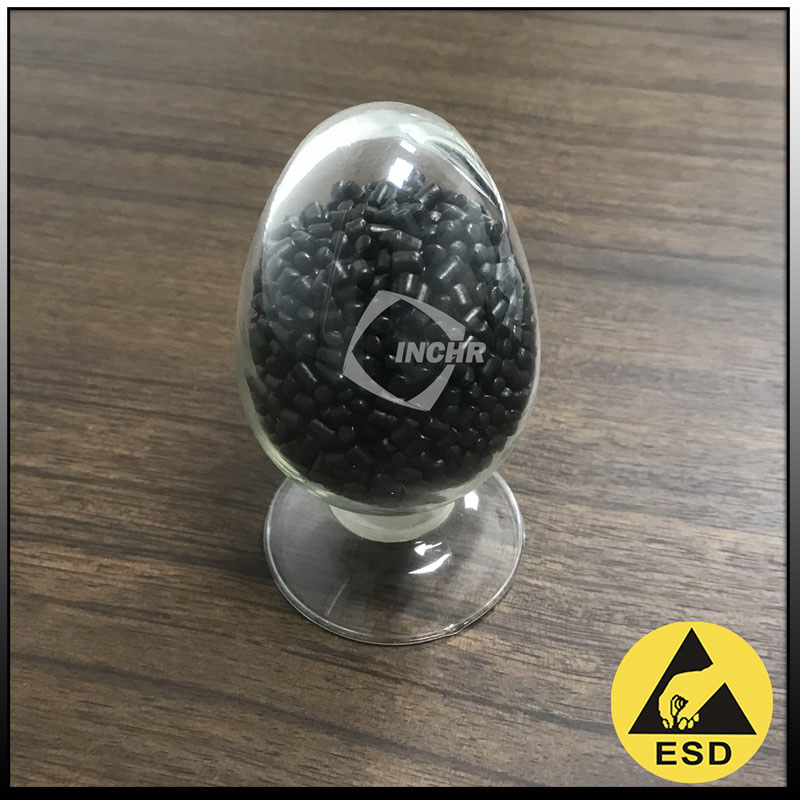
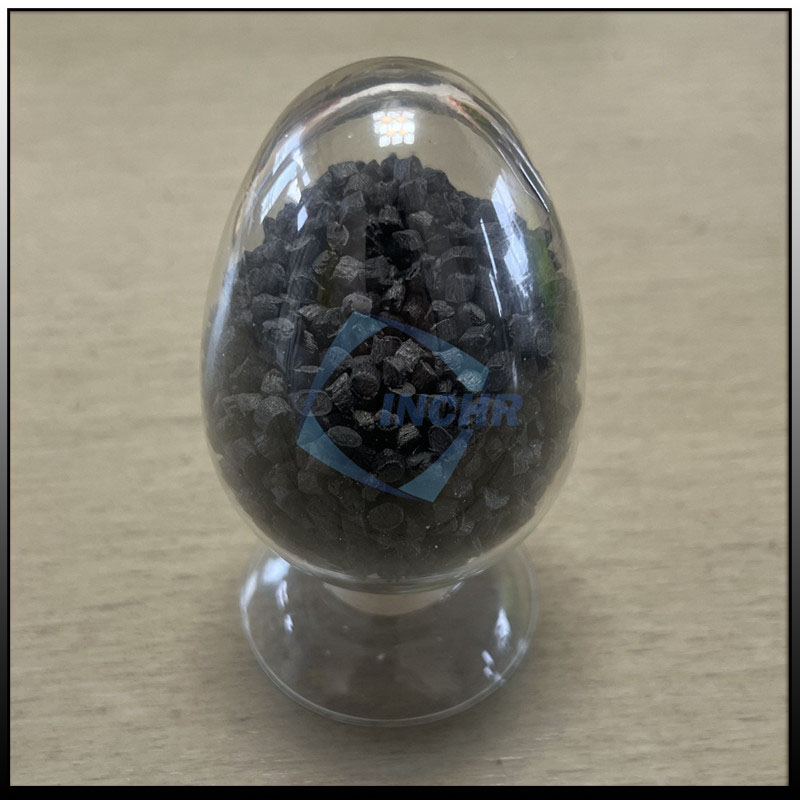
Conductive compounds are specialized materials engineered to carry electrical current while maintaining the processing advantages of plastics. These materials, typically thermoplastics or thermosets filled with conductive additives, are fundamental to modern electronics, automotive systems, and industrial applications. They provide essential functions like EMI (Electromagnetic Interference) shielding, static charge dissipation, and even sensing capabilities. This article delves into the technology behind these compounds, presenting key performance data and exploring common formulations that make them indispensable in today’s connected world.
What Are Conductive Compounds?
At their core, conductive compounds are polymer matrices—such as Nylon, PC/ABS, or PPS—infused with conductive fillers. The base polymer provides mechanical properties, chemical resistance, and moldability, while the filler creates a percolation network for electron flow. The electrical conductivity is not inherent to the plastic but is achieved when the filler particles contact each other, forming a continuous pathway. This is a critical distinction from metals. For a broader understanding, see our guide to polymer material selection.
Key Performance Metrics
Evaluating conductive compounds involves several critical data points:
Volume Resistivity: This is the primary measure, indicating a material’s resistance to electrical current. It is measured in ohm-cm (Ω·cm). Materials are categorized as:
Conductive: < 10^5 Ω·cm (e.g., for EMI shielding)
Static Dissipative (ESD): 10^5 to 10^12 Ω·cm (protects sensitive electronics from electrostatic discharge)
Insulative: > 10^12 Ω·cm
Shielding Effectiveness (SE): Measured in decibels (dB), SE quantifies how well a material blocks EMI. A shielding of 30 dB indicates 99.9% attenuation, while 60 dB is considered excellent. Performance standards are defined by organizations like ASTM D4935.
Mechanical Properties: The addition of fillers impacts strength, toughness, and flow. Data sheets report tensile strength, impact resistance, and melt flow index (MFI).
Common Conductive Fillers and Formulations
The choice of filler dramatically affects performance, cost, and processing. Here are the primary types:
1. Carbon-Based Fillers
Carbon Black: The most cost-effective option. Used for static dissipation and modest EMI shielding. Achieves conductivity at high loadings (15-20%+), which can reduce mechanical properties.
Carbon Fibers: Offer a superior balance of conductivity and mechanical strength. Lower loadings (10-15%) can achieve good EMI shielding while enhancing stiffness. They are anisotropic, meaning conductivity can vary with flow direction.
Graphene & CNTs (Carbon Nanotubes): Advanced nanofillers that create a conductive network at very low loadings (2-5%), preserving the polymer’s original properties. They are higher in cost but enable high-performance, lightweight shielding. Learn about their potential in our article on nanomaterials in plastics.
2. Metal-Based Fillers
Stainless Steel Fibers: Provide excellent EMI shielding (60+ dB) at low loadings (5-10%). They are durable but can be abrasive to processing equipment.
Nickel-Coated Graphite: Flake-like particles that create overlapping plates, ideal for shielding. Offers good performance but can be sensitive to high-shear processing.
Silver-Coated Particles: The highest performance filler, offering unparalleled conductivity for specialized applications. The high cost limits its use to critical medical or aerospace components.
Industry Applications and Selection Guide
Selecting the right formulation depends on the application’s requirements:
Consumer Electronics (Housings): PC/ABS with 15-20% carbon fiber is common for smartphone and laptop casings, balancing SE (30-40 dB), aesthetics, and impact strength.
Automotive Connectors: Nylon 6/6 with carbon black or carbon fiber is widely used for fuel system components and sensors requiring ESD protection and chemical resistance.
Medical Device Housings: Static-dissipative compounds like COC (Cyclic Olefin Copolymer) with permanent antistatic additives are used to prevent dust attraction and protect sensitive equipment.
Future Trends and Data-Driven Development
The future of conductive compounds lies in smarter formulations. The industry is moving towards hybrid systems (e.g., carbon nanotubes combined with carbon fiber) to optimize cost and performance. There is also a strong push for compounds suited fo 5G frequency bands, which require effective shielding at higher frequencies. Furthermore, sustainability is becoming a key driver, with research focused on using recycled content as the polymer matrix without compromising electrical properties.
In conclusion, conductive compounds are a versatile technology where performance is directly tied to formulation. Understanding the data behind resistivity, shielding, and mechanical trade-offs is essential for selecting the right material for the job. As devices become smaller and more interconnected, the innovation in these advanced materials will continue to be a critical enabler for technological progress.