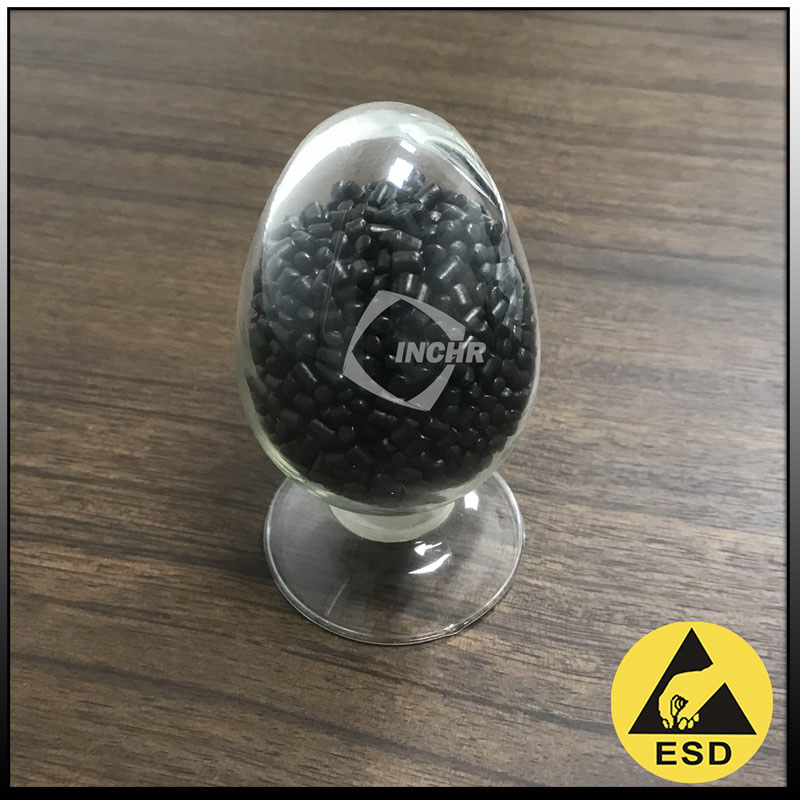
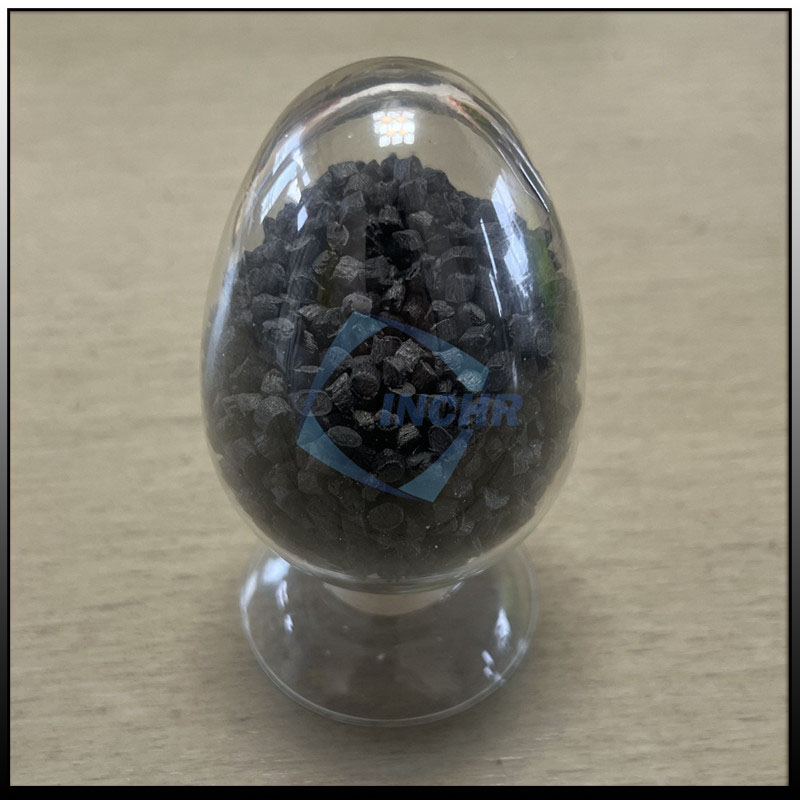
In the realm of advanced materials, conductive compounds stand out as a cornerstone of modern innovation. These unique materials, which are typically polymers or resins infused with conductive fillers like carbon black, graphene, or metal particles, possess the rare ability to combine the functional properties of plastics with the electrical conductivity of metals. This synergy has unlocked a world of possibilities, making them indispensable across countless industries. From the smartphone in your hand to the car you drive, conductive compounds are quietly enabling the technology we rely on every day.
This article delves into the primary applications of these versatile materials, highlighting how they solve complex engineering challenges.
Electronics and Circuitry: Shrinking Devices, Expanding Capabilities
The electronics sector is perhaps the most significant beneficiary of conductive compounds. Their role here is multifaceted:
Electromagnetic Interference (EMI) Shielding: As electronic devices become smaller and more densely packed, they become more susceptible to electromagnetic interference (EMI), which can cause malfunctions. Conductive compounds are molded into shields and enclosures for devices like smartphones, routers, and medical equipment. These shields act as Faraday cages, preventing external EMI from disrupting the device’s sensitive circuitry and containing the device’s own emissions. This is crucial for ensuring reliable operation and meeting global regulatory standards. For more on the importance of EMI shielding, you can visit the IEEE Electromagnetic Compatibility Society.
Static Control (ESD Protection): Electrostatic discharge (ESD) can instantly destroy microchips and electronic components. Conductive compounds are used to manufacture trays, totes, and handling equipment in cleanrooms and manufacturing facilities. By safely dissipating static charges, they prevent costly damage during production and assembly. Explore our guide on Selecting the Right Conductive Polymer for ESD-Safe Fixtures.
Circuitry and Sensors: Conductive inks and adhesives, a form of conductive compound, are essential for printed electronics. They are used to create flexible circuits, antennas, and sensors on unconventional substrates like plastic or film. This technology is fundamental to the production of RFID tags, flexible displays, and wearable health monitors.
Automotive and Aerospace: Driving Efficiency and Safety
The transition towards electric and autonomous vehicles has increased the demand for lightweight, durable, and reliable materials—a perfect fit for conductive compounds.
Electric Vehicles (EVs): Within EV batteries, conductive compounds are used in cell holders and module housings. They provide structural integrity, chemical resistance, and crucial ESD protection within the high-voltage battery pack. Their lightweight nature also contributes to the vehicle’s overall efficiency.
Fuel Systems and Sensors: In both traditional and modern vehicles, components like fuel filler necks and level sensors are made from conductive plastics. This prevents the buildup of static electricity that could potentially ignite fuel vapors, enhancing safety.
Aerospace Applications: The aerospace industry utilizes conductive composites for components like avionics enclosures. These materials shield critical navigation and communication systems from EMI while offering a significant weight reduction compared to metal alternatives, which directly translates to lower fuel consumption.
Healthcare and Medical Devices: Enabling Modern Medicine
In the medical field, conductivity meets critical requirements for safety, precision, and sterilization.
Medical Imaging Equipment: MRI and CT scanners generate powerful electromagnetic fields. Conductive composites are used in housing and internal components to shield the sensitive imaging detectors from interference, ensuring clear and accurate diagnostic images.
Patient Monitoring and Surgical Tools: Conductive compounds are found in casings for monitoring equipment, providing EMI shielding. They are also used in specialized surgical tools for electrosurgery, where precision and electrical insulation are paramount for patient safety.
Single-Use Devices: The trend towards single-use medical devices to prevent cross-contination benefits greatly from conductive polymers. They can be cost-effectively injection-molded into complex parts for devices used in diagnostics and minimally invasive surgery. Learn about our Medical-Grade Conductive Compounds that meet stringent biocompatibility standards.
Conclusion: A Future Built on Conductive Innovation
The application of conductive compounds is a testament to the power of materials science to drive progress. By bridging the gap between the physical and electrical worlds, they provide elegant solutions to the challenges of miniaturization, weight reduction, and electromagnetic compatibility. As industries continue to innovate—whether through the Internet of Things (IoT), advanced robotics, or next-generation healthcare—the role of conductive compounds will only become more profound. They are not just materials; they are the foundational elements of a smarter, safer, and more connected future.