The relentless miniaturization and performance demands of modern electronics, from flexible wearables to powerful EV batteries, hinge on a fundamental property: electrical conductivity. While pure metals like copper and silver offer excellent conductivity, they are often heavy, expensive, or mechanically inflexible for advanced applications. This has led to the rise of conductive compounds—polymers, inks, and composites. However, a common hurdle plagues them all: overcoming low conductivity. Addressing this is not just an academic exercise; it’s the key to unlocking the next generation of technology.
Understanding the Root of the Problem
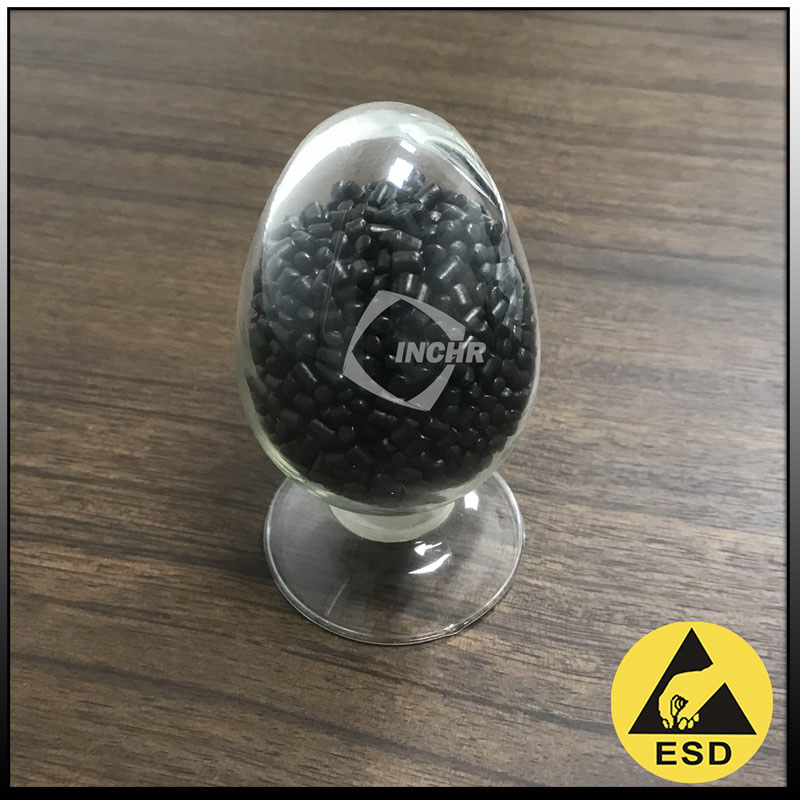
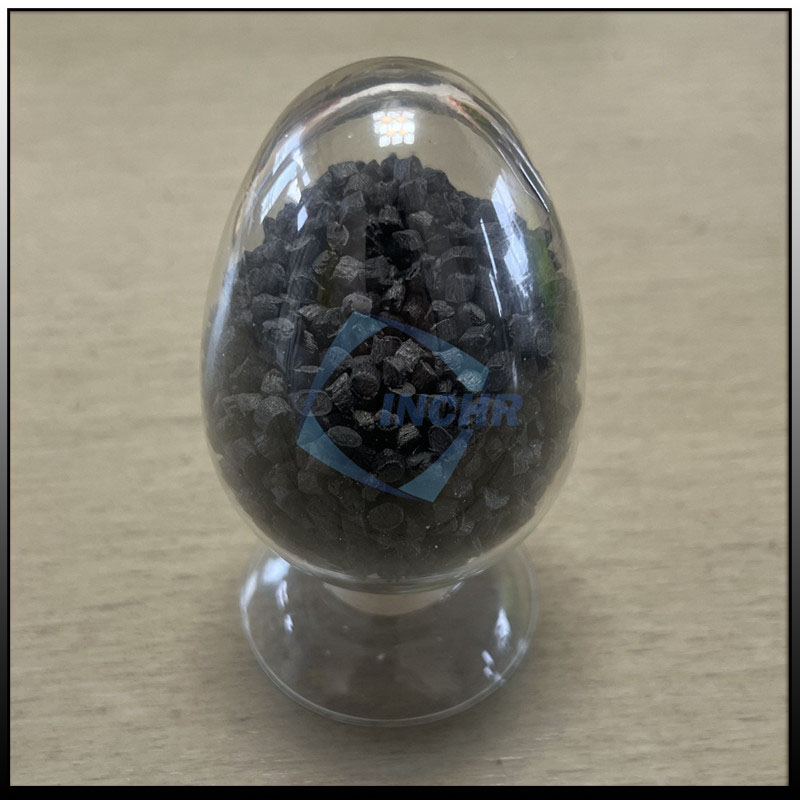
Low conductivity in compounds stems from their inherent structure. Unlike the seamless “sea of electrons” in a pure metal lattice, conductive compounds are typically mixtures. A non-conductive base material, like a plastic polymer or ceramic, is combined with conductive elements, such as carbon black, graphene, or metal particles. The electrical current must hop from one conductive particle to the next. If the particles are too far apart, poorly dispersed, or the wrong shape, this hopping becomes difficult, leading to high electrical resistance and poor performance.
This is often described in terms of percolation theory. The goal is to add enough conductive filler to form a continuous network of pathways for electrons to flow. Below this “percolation threshold,” the compound remains an insulator. Merely exceeding this threshold is not enough; optimizing the network is where the real science begins.
Innovative Strategies for Enhanced Conductivity
Solving low conductivity involves a multi-faceted approach, focusing on material selection, structural design, and processing techniques.
Advanced Filler Materials: Moving beyond traditional carbon black, researchers are employing high-aspect-ratio nanomaterials. Graphene and carbon nanotubes (CNTs) are game-changers. Their nanoscale dimensions and incredible conductivity allow them to form a dense, interconnected network at very low loading levels, dramatically boosting conductivity while preserving the host material’s lightweight and flexible properties.
Hybrid Filler Systems: Instead of relying on a single filler type, combining different materials creates a synergistic effect. For instance, spherical silver particles can be mixed with silver nanowires. The spheres reduce cost, while the nanowires bridge the gaps between them, creating a more robust and continuous conductive pathway. This multi-scale approach efficiently solves the problem of electron hopping resistance.
Surface Functionalization and Dispersion: A major issue is the clumping of conductive fillers. To achieve a uniform dispersion, fillers are often chemically treated. This surface modification prevents agglomeration and enhances the interfacial adhesion between the filler and the host matrix. A well-dispersed filler is far more effective at forming a conductive network than a clumped one. For a deeper dive into material science, you can explore resources from institutions like Materials Research Society.
Optimized Processing Techniques: How a compound is manufactured is critical. Methods like electrospinning can align nanofibers in a specific direction, creating highly conductive channels. Advanced injection molding and 3D printing (additive manufacturing) allow for precise control over the placement of conductive material, minimizing waste and maximizing efficiency in the final part’s conductive pathways.
Applications and Future Outlook
The successful resolution of low conductivity issues is already having a profound impact. It enables:
Flexible Electronics: Bendable screens and wearable health monitors.
Efficient EMI Shielding: Lightweight composites that protect devices from electromagnetic interference.
High-Capacity Batteries: Improved electrodes with faster charge/discharge rates.
Smart Textiles: Clothing with integrated circuits for heating or data tracking.
In conclusion, the challenge of low conductivity in compounds is being met with sophisticated material science. By leveraging nano-engineered fillers, hybrid systems, and precision manufacturing, we are not just solving a materials problem—we are powering the future of innovation.
Learn more about our Advanced Material Solutions here.