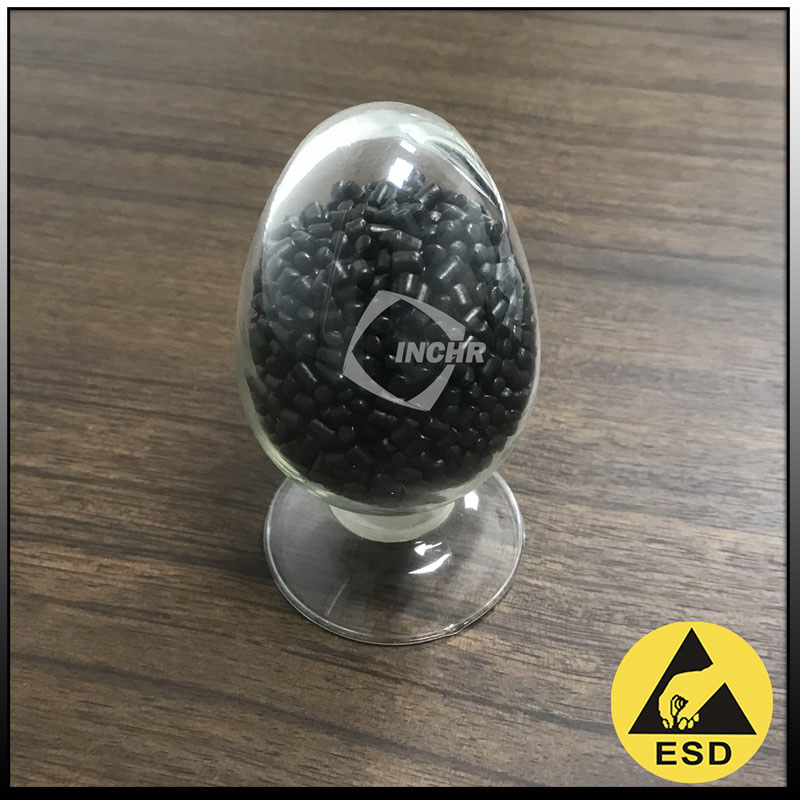
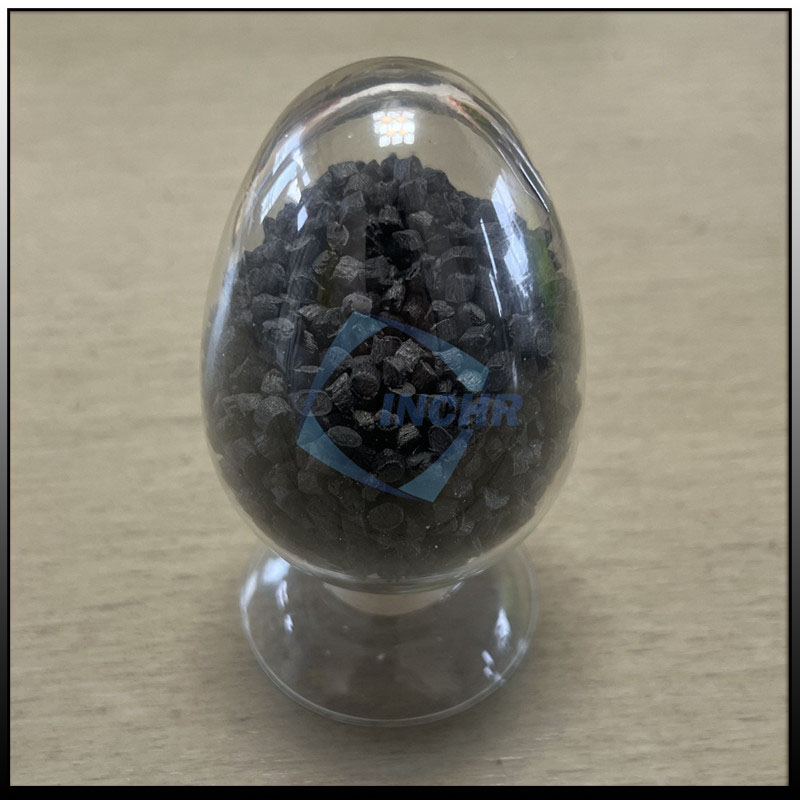
In the ever-evolving plastic industry, performance additives are the unsung heroes that transform standard polymers into high-functioning materials. Among these, antistatic masterbatch stands out as a critical innovation, providing essential protection and functionality across a vast range of applications. This concentrated additive mixture is seamlessly integrated into plastics during processing, offering a robust and permanent solution to the persistent problem of static electricity.
The Invisible Threat: Why Static Electricity Matters
Static charge buildup is more than just a minor nuisance. In the world of plastics, which are inherently insulative, it poses significant risks. Uncontrolled static can lead to:
Product Contamination: Dust and fine particles are attracted to charged surfaces, ruining the appearance and purity of products, especially in cleanroom environments.
Processing Issues: Static causes sheets or films to cling together, leading to jams in high-speed packaging and printing machinery.
Electrical Damage: A sudden electrostatic discharge (ESD) can instantly destroy sensitive electronic components during manufacturing or transport.
Safety Hazards: In atmospheres containing flammable dust or vapors, a static spark can trigger fires or explosions.
Antistatic masterbatch directly counteracts these challenges, ensuring product quality, operational efficiency, and safety.
How Antistatic Masterbatch Works: A Science-Backed Solution
An antistatic masterbatch is a pre-dispersed concentrate of active antistatic agents within a polymer carrier. When blended with the base plastic (like polyethylene, polypropylene, or PET), these agents migrate to the surface of the final product. Once there, they attract a microscopic layer of moisture from the air. This hydrous layer acts as a conductive path, allowing static charges to dissipate harmlessly and continuously rather than accumulating.
This “internal” method of adding antistatic properties is far superior to external sprays or coatings, which can wear off, feel greasy, or interfere with post-processing like printing and sealing.
Key Applications Driving Industry Demand
The high performance of antistatic masterbatch makes it indispensable in several key sectors:
Electronics & Semiconductor Manufacturing: From IC trays and shipping tubes to device housings, it provides essential ESD protection for delicate circuitry.
Packaging: It is crucial for packaging films, bags, and containers used for sensitive electronic goods, explosives, and pharmaceutical products where contamination must be avoided.
Material Handling: Pallets, totes, and conveyor components made with antistatic compounds prevent static buildup that could disrupt automated systems.
Industrial Equipment: Hoppers, filters, and flooring in explosive atmospheres (e.g., chemical plants, grain silos) use these additives for intrinsic safety.
Choosing the Right High-Performance Masterbatch
Selecting the correct antistatic masterbatch is crucial for optimal results. Key considerations include:
Base Polymer Compatibility: The carrier resin must be compatible with your primary plastic for uniform dispersion.
Processing Conditions: The additive must be stable under your specific processing temperatures (e.g., for injection molding or blow molding).
Regulatory Compliance: For food contact or medical applications, the masterbatch must meet stringent standards like FDA or EU regulations.
Performance Level: Depending on the required surface resistivity, different formulations (standard antistatic or full ESD) are available.
The Future is Static-Free
As plastics continue to replace traditional materials in more advanced applications, the demand for smart additives like antistatic masterbatch will only grow. It is a cornerstone technology that enhances safety, protects valuable goods, and improves manufacturing efficiency. By integrating this high-performance additive, manufacturers can deliver superior, reliable, and safer plastic products to the global market, powering innovation across countless industries.