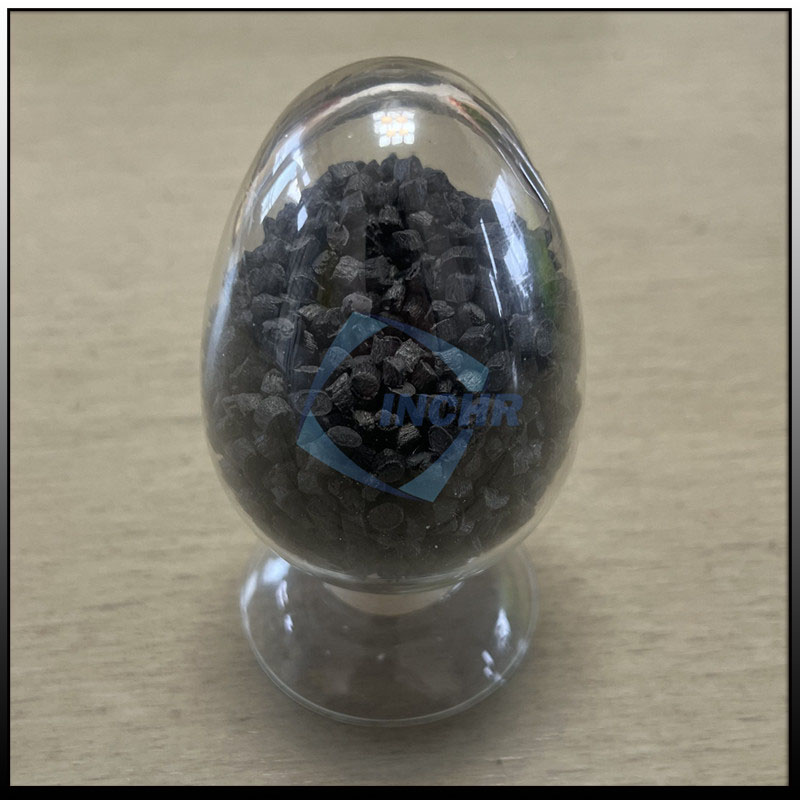
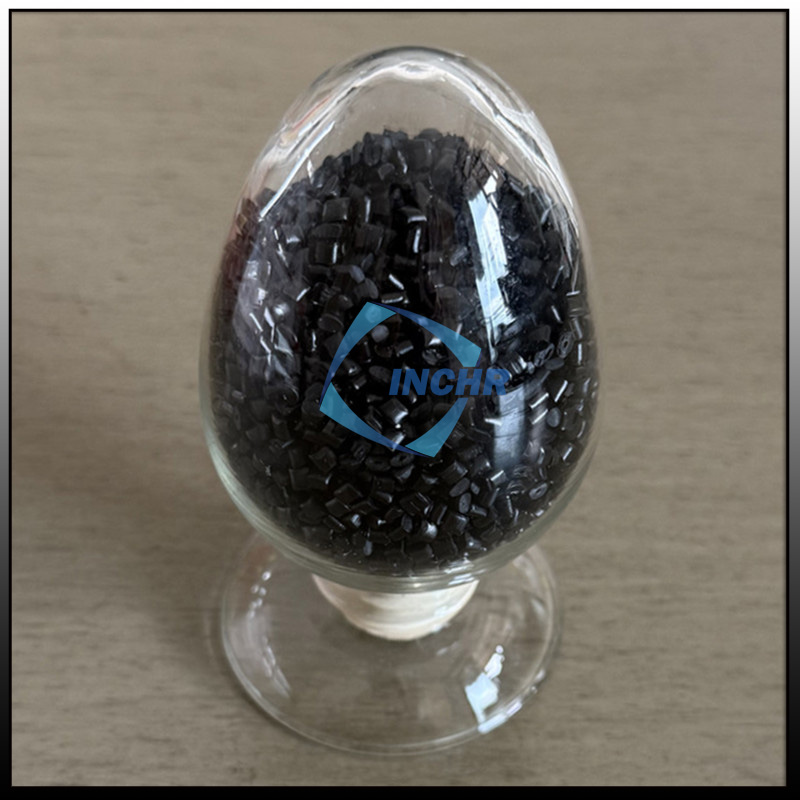
1. Why Quality Consistency Matters in Carbon Fiber Reinforced Nylon
Selecting a suitable engineering plastic is only the first step in product development. For manufacturers using Carbon Fiber Reinforced Nylon, the bigger challenge is maintaining consistent performance from the first material sample to full-scale production.
A compound may meet initial mechanical and electrical requirements but produce different results when processing conditions, moisture levels, fiber distribution, or raw-material batches change.
These variations can affect component dimensions, strength, surface quality, and electrical behavior. This is particularly important for electronic equipment parts and industrial components that require both mechanical reliability and static control.
A structured quality-control process helps manufacturers evaluate not only whether a material performs well, but whether it can deliver repeatable results in production.
2. Establish a Clear Material Specification Before Sampling
The term carbon fiber reinforced nylon covers different formulations. PA6 and PA66 are common matrix materials, while carbon fiber content and additive packages can vary between grades.
Before requesting samples, define the material requirements in measurable terms.
| Specification | Why it matters |
|---|---|
| Base polymer | PA6 and PA66 have different processing and moisture-related characteristics |
| Carbon fiber content | Influences stiffness, mechanical behavior, and processing |
| Volume resistivity | Indicates electrical behavior through the material |
| Surface resistance | Helps evaluate surface electrical performance |
| Processing method | Determines whether injection molding or extrusion grade is needed |
| Moisture condition | Influences nylon properties and dimensional behavior |
| Appearance | Helps identify visible variation between production batches |
For example, INCHR lists PA66-based carbon fiber reinforced nylon grades 70CF15, 70CF20, and 70CF30. Its published product information specifies volume resistivity below 1 × 10⁵ Ω·cm and surface resistance below 1 × 10⁶ Ω/sq for the listed product.
These values are product-specific reference data, not guaranteed specifications for every carbon fiber reinforced nylon compound. Confirm the exact grade and current technical datasheet before setting acceptance limits.
See the INCHR carbon fiber reinforced nylon product page for more details.
3. Control Moisture Before Comparing Test Results
Nylon is hygroscopic, meaning it absorbs moisture from its environment. Moisture can influence mechanical properties and dimensional behavior, so two samples tested under different conditioning conditions may produce different results.
Carbon fiber reinforcement does not eliminate the moisture sensitivity of the nylon matrix.
For reliable material comparisons, manufacturers should:
- Record the moisture condition of incoming samples.
- Follow the supplier’s recommended drying and handling instructions before processing.
- Use consistent specimen conditioning before mechanical testing.
- Record environmental conditions during dimensional inspection.
- Evaluate finished components after moisture exposure when the application requires it.
The ISO 1110:2019 standard describes accelerated conditioning of polyamide test specimens, including grades containing fillers and additives within its stated scope. It can provide a useful reference when planning PA material evaluations.
4. Build a Repeatable Testing Plan
A good testing plan should connect raw-material inspection with finished-part performance. Testing only one molded specimen is rarely enough to understand production consistency.
| Test category | What to evaluate | Quality-control purpose |
|---|---|---|
| Incoming inspection | Grade, packaging, appearance, batch identification | Confirm material identity |
| Mechanical testing | Tensile and flexural properties | Check mechanical consistency |
| Electrical testing | Surface resistance and volume resistivity | Verify static-control requirements |
| Dimensional inspection | Critical dimensions and tolerances | Detect molding or conditioning variation |
| Process evaluation | Flow, filling, surface defects, shrinkage | Identify manufacturing issues |
| Batch comparison | Results from different production lots | Monitor repeatability |
For tensile testing, ASTM D638-22 provides a method for evaluating tensile properties of reinforced and unreinforced plastics. Its guidance also highlights the importance of consistent specimen preparation and testing conditions when comparing results.
If the material is intended for ESD-related applications, electrical testing should be conducted using an appropriate method and consistent environmental conditions. Do not assume that a mechanically acceptable batch automatically meets electrical requirements.
5. Monitor Processing Variables During Production
Material quality and processing quality are closely connected. Even a well-formulated compound can produce inconsistent parts when production conditions are poorly controlled.
For carbon fiber reinforced nylon, manufacturers should pay particular attention to:
Drying and material handling: Moisture control is essential before molding. Follow the grade-specific drying instructions and prevent unnecessary exposure after drying.
Molding conditions: Record melt temperature, mold temperature, injection speed, holding pressure, and cooling conditions. Changes in these parameters may influence filling, shrinkage, and surface quality.
Fiber orientation: Carbon fibers tend to align with melt flow. Gate location and component geometry can therefore affect directional mechanical properties.
Equipment wear: Carbon fiber reinforcement can increase abrasion in processing equipment. Maintenance and inspection help reduce unexpected production variation.
Batch traceability: Retain material lot numbers and link them to production records and inspection results.
A consistent production record makes it easier to identify whether a defect originates from the raw material, processing conditions, tooling, or environmental exposure.
6. Define Acceptance Criteria for Mass Production
Before moving from trial production to regular orders, engineering, quality, and purchasing teams should agree on acceptance criteria.
A practical quality agreement may include:
- Approved material grade and formulation identification.
- Required mechanical and electrical property ranges.
- Specimen conditioning and testing procedures.
- Appearance and dimensional inspection requirements.
- Batch identification and traceability rules.
- Procedures for handling nonconforming material.
The limits should be based on the component’s actual requirements and verified supplier data. Avoid setting universal limits that are not supported by the application or material specification.
INCHR provides carbon fiber reinforced plastic compounds for manufacturers evaluating reinforced polymer solutions. For applications requiring static-control properties, its conductive compounds are another material category worth reviewing.
7. Work with a Supplier That Understands Application Requirements
A reliable material supplier should be able to discuss more than carbon fiber percentage. Important topics include polymer selection, grade identification, processing recommendations, electrical specifications, and testing requirements.
INCHR was established in Dongguan, China, in 2012, and specializes in ESD plastics and modified polymer compounds. Its product portfolio includes carbon fiber reinforced compounds, conductive compounds, antistatic compounds, and ESD masterbatches.
When requesting a material recommendation, provide the component drawing, processing method, operating environment, mechanical targets, and electrical requirements. This allows the material selection process to focus on the finished application rather than a generic material description.
Explore the INCHR product center to review available material solutions.
Conclusion
The performance of Carbon Fiber Reinforced Nylon depends on more than its nominal carbon fiber content. Polymer type, moisture condition, processing parameters, fiber orientation, and electrical formulation all influence the final result.
By establishing clear specifications, using consistent test conditions, monitoring production variables, and maintaining batch traceability, manufacturers can improve material qualification and reduce quality risks during mass production.
Looking for a carbon fiber reinforced nylon compound for your next project? Contact INCHR to discuss your material specifications and application requirements.
Frequently Asked Questions
1. What is Carbon Fiber Reinforced Nylon?
It is a polyamide engineering plastic reinforced with carbon fibers. The reinforcement can improve stiffness and selected mechanical properties while maintaining the processing advantages of thermoplastics.
2. Is carbon fiber reinforced nylon available in PA6 and PA66?
Yes. Carbon fiber reinforced compounds can use different polyamide matrices, including PA6 and PA66. The appropriate choice depends on mechanical requirements, moisture exposure, processing conditions, and operating temperature.
3. Does carbon fiber reinforced nylon absorb moisture?
Yes. The nylon matrix remains hygroscopic after reinforcement. Moisture conditioning should be considered during material testing, dimensional inspection, and component qualification.
4. Can carbon fiber reinforced nylon provide ESD performance?
Some formulations can provide conductive or static-control properties. However, electrical performance depends on the specific formulation and should be verified through surface resistance and volume resistivity testing.
5. Why should different production batches be tested?
Batch testing helps identify variations in material properties, electrical behavior, and processing performance. It supports traceability and helps manufacturers maintain consistent finished-part quality.
6. Can carbon fiber reinforced nylon be injection molded?
Yes. Injection molding is a common processing method. Drying, mold design, fiber orientation, and processing parameters should be controlled according to the selected grade.
7. What information should I provide when requesting a material quotation?
Provide the required PA type, carbon fiber content if specified, electrical targets, mechanical requirements, component drawing, processing method, and operating environment. These details help the supplier recommend a suitable compound.