In industrial machinery, many plastic components do not simply carry loads. They also slide against other surfaces, rotate, experience repeated contact, or operate under continuous friction.
These conditions can gradually change component dimensions, increase clearance, generate debris, and affect equipment performance.
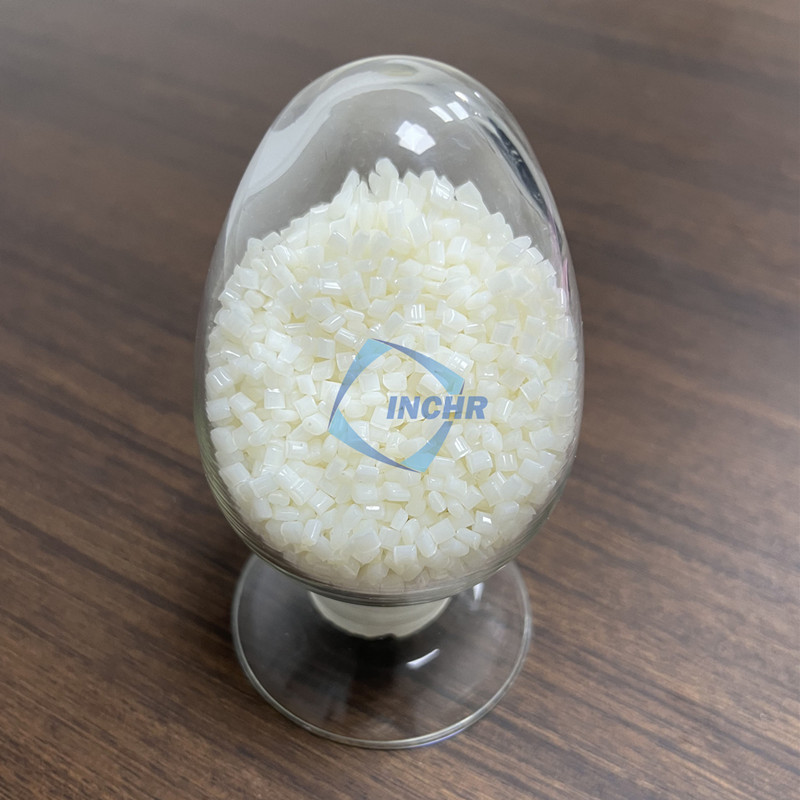
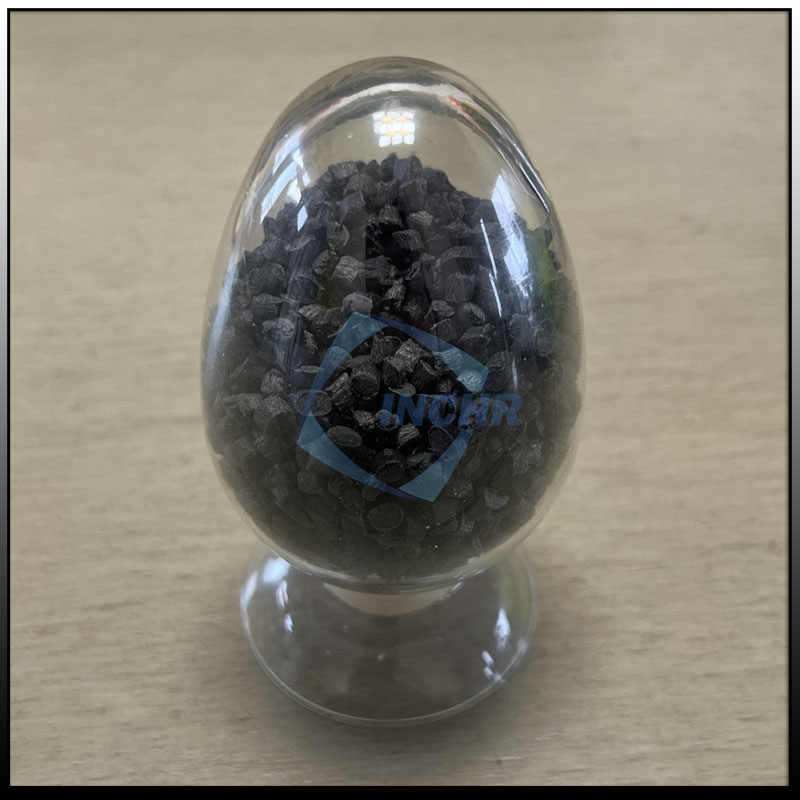
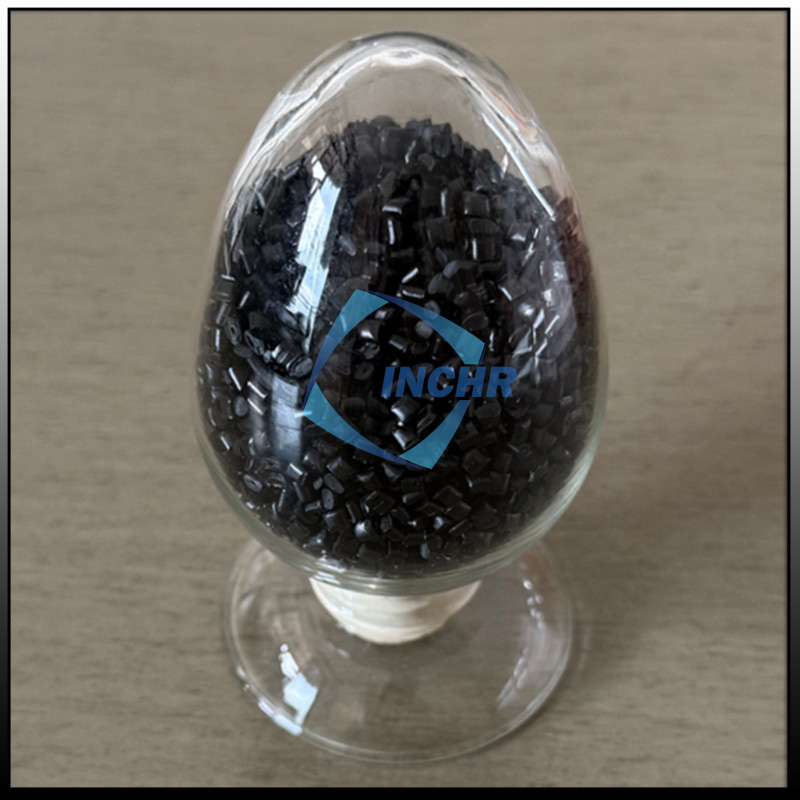
Carbon fiber reinforced nylon PA is an engineering composite worth considering for applications where stiffness, wear behavior, and lightweight construction are important. By combining a polyamide matrix with carbon fiber reinforcement, it can offer a different balance of mechanical and tribological properties compared with unreinforced nylon.
However, a material that performs well in a static strength test may not necessarily perform well in a moving assembly. Engineers should evaluate the contact pair, operating conditions, and finished component together.

1. Understand the Role of Carbon Fiber in Sliding Components
Nylon is widely used in engineering parts because of its processing versatility, mechanical performance, and wear-related applications. Carbon fiber reinforcement can increase stiffness and alter the material’s friction and wear behavior.
For selected formulations, these characteristics may be useful in:
- Sliding guides and wear strips.
- Mechanical brackets and moving supports.
- Rollers and conveyor components.
- Gears and functional housings.
- Industrial fixtures exposed to repeated contact.
The actual wear performance depends on the PA grade, fiber content, counterface material, surface finish, load, speed, and lubrication conditions.
Carbon fiber reinforcement should therefore be treated as a material-design option rather than a guarantee of longer service life.
Explore INCHR’s carbon fiber reinforced nylon PA compounds for grade-specific product information.
2. Evaluate the Complete Contact Pair
A sliding plastic component never works in isolation. Its performance depends on the material it contacts and the conditions at the interface.
For example, a carbon fiber reinforced nylon guide running against a metal shaft may behave differently from a plastic component sliding against another polymer surface.
| Contact condition | Important evaluation factors |
|---|---|
| Plastic against metal | Counterface hardness, surface roughness, friction, and wear |
| Plastic against plastic | Material compatibility, heat generation, and debris |
| Continuous sliding | Operating speed, contact pressure, and temperature |
| Intermittent movement | Start-stop friction and repeated contact |
| Unlubricated operation | Wear rate and friction under dry conditions |
| Lubricated operation | Lubricant compatibility and long-term stability |
Engineers should test the actual material pair whenever possible. A laboratory result obtained with one counterface or surface finish may not accurately predict performance in another assembly.
3. Do Not Confuse Stiffness with Wear Resistance
A common material-selection mistake is assuming that a stiffer compound will always last longer in a sliding application.
Higher carbon fiber content can improve stiffness, but wear performance also depends on the formulation and contact conditions. Increasing fiber content may change toughness, surface behavior, and the way the material interacts with its counterface.
| Design priority | What to evaluate |
|---|---|
| High rigidity | Flexural modulus and deformation |
| Sliding durability | Wear rate under representative conditions |
| Low friction | Coefficient of friction with the actual counterface |
| Repeated movement | Fatigue and surface damage |
| Precision fit | Dimensional change after wear testing |
| Low component weight | Density and finished-part geometry |
The right grade is not necessarily the one with the highest carbon fiber percentage. It is the formulation that satisfies the required combination of mechanical performance, wear behavior, and processing stability.
4. Design the Interface, Not Just the Plastic Part
Good component design can reduce unnecessary friction and improve operating reliability.
When developing a carbon fiber reinforced nylon PA component, engineers should consider:
Contact area: Avoid unnecessarily concentrated contact pressure. Geometry should distribute loads appropriately.
Surface finish: The roughness of both contacting surfaces can influence friction and wear. Evaluate the actual production finish rather than relying only on polished laboratory specimens.
Clearance and tolerances: Allow for manufacturing variation, operating temperature, and environmental changes. Excessive clearance may cause vibration, while insufficient clearance may increase friction or lead to interference.
Lubrication strategy: Determine whether the assembly will operate dry or with lubricant. Do not assume that a reinforced nylon grade eliminates the need for lubrication.
Maintenance conditions: Consider dust, particles, cleaning, and lubricant replacement when evaluating long-term performance.
[Image 2: Industrial plastic sliding guide and carbon fiber reinforced nylon mechanical parts in an assembly]
Alt text: Carbon fiber reinforced nylon PA sliding guides and mechanical components in industrial equipment
5. Use Application-Based Wear Testing
Material datasheets are useful for initial screening, but they rarely describe every combination of pressure, speed, temperature, and counterface.
A practical test plan should reproduce the intended application as closely as possible.
| Test or inspection | Purpose |
|---|---|
| Wear rate measurement | Quantify material loss over a defined test period |
| Friction measurement | Evaluate resistance to relative movement |
| Dimensional inspection | Track changes in clearances and critical features |
| Temperature monitoring | Identify heat generated at the contact interface |
| Surface inspection | Check scoring, cracking, and debris formation |
| Endurance testing | Assess performance over repeated operating cycles |
For self-lubricated rubbing-contact materials, ASTM D3702 provides a test method for measuring wear rate and coefficient of friction using a thrust-washer testing machine.
ASTM D3702-24 – Standard Test Method for Wear Rate and Coefficient of Friction.
The test conditions should be selected to reflect the intended application. Laboratory rankings do not automatically guarantee the same service life in the field.
6. Consider Electrical Requirements in Industrial and Electronic Equipment
Some carbon fiber reinforced nylon PA formulations also provide conductive or static-control properties. This can be useful when mechanical components are installed in ESD-sensitive manufacturing environments.
However, electrical performance must be verified separately from mechanical and wear properties.
INCHR lists PA66-based carbon fiber reinforced nylon grades including 70CF15, 70CF20, and 70CF30. Its product information specifies volume resistivity below (1 \times 10^5) ohm·cm and surface resistance below (1 \times 10^6) ohm/sq for the listed product data.
These values are specific to the published product information and should be confirmed for the selected grade and finished application.
Learn more about ESD plastics and static-control material selection.
7. Select a Grade Based on the Complete Operating Profile
Before specifying a carbon fiber reinforced nylon PA compound, manufacturers should prepare a practical application specification.
| Information to provide | Why it matters |
|---|---|
| PA type and grade | Establishes the polymer matrix |
| Carbon fiber content | Helps assess stiffness and processing requirements |
| Contact material | Defines the tribological interface |
| Load and movement speed | Determines operating severity |
| Lubrication conditions | Influences friction and wear behavior |
| Temperature and humidity | Helps assess environmental effects |
| Electrical requirements | Identifies any static-control needs |
| Component drawing | Supports geometry and tolerance evaluation |
INCHR, established in Dongguan, China, in 2012, specializes in ESD plastics and modified polymer materials, including carbon fiber reinforced compounds, conductive compounds, antistatic compounds, and ESD masterbatches.
Its R&D team receives support from East China University of Science and Technology. Production and testing capabilities include twin-screw granulation equipment and professional ESD testing equipment.
Providing the application details above helps the supplier assess whether an available material grade is appropriate for the intended component.
Frequently Asked Questions
1. What is carbon fiber reinforced nylon PA?
It is a polyamide engineering plastic reinforced with carbon fibers. It is used in applications where increased stiffness, mechanical performance, and selected wear-related properties are required.
2. Is carbon fiber reinforced nylon suitable for sliding parts?
Selected grades may be suitable for sliding guides, wear components, and mechanical interfaces. Actual performance depends on the counterface, pressure, speed, temperature, and lubrication conditions.
3. Does carbon fiber reinforcement reduce friction?
Not automatically. Carbon fiber can influence friction and wear behavior, but the result depends on the formulation and contact pair. Testing under representative conditions is recommended.
4. Is higher carbon fiber content always better for wear resistance?
No. Higher fiber content may increase stiffness but does not guarantee a lower wear rate. The best grade should be selected through application-specific testing.
5. Can carbon fiber reinforced nylon PA operate without lubrication?
Some formulations may be considered for dry-running applications, but suitability depends on load, speed, temperature, and counterface material. Dry operation should be validated before production.
6. Can carbon fiber reinforced nylon PA provide ESD performance?
Certain formulations can provide conductive or static-control properties. Surface resistance and volume resistivity should be verified using appropriate test methods.
7. What should be tested before using it in industrial machinery?
Evaluate friction, wear rate, dimensional changes, temperature rise, and endurance under representative operating conditions. Also check mechanical properties and electrical performance when required.
Carbon fiber reinforced nylon PA can be a useful option for industrial components exposed to repeated contact and mechanical loading. Its success depends on more than fiber content: the contact pair, surface finish, operating conditions, and test method all influence actual service performance. A complete interface evaluation helps manufacturers make more reliable material decisions.