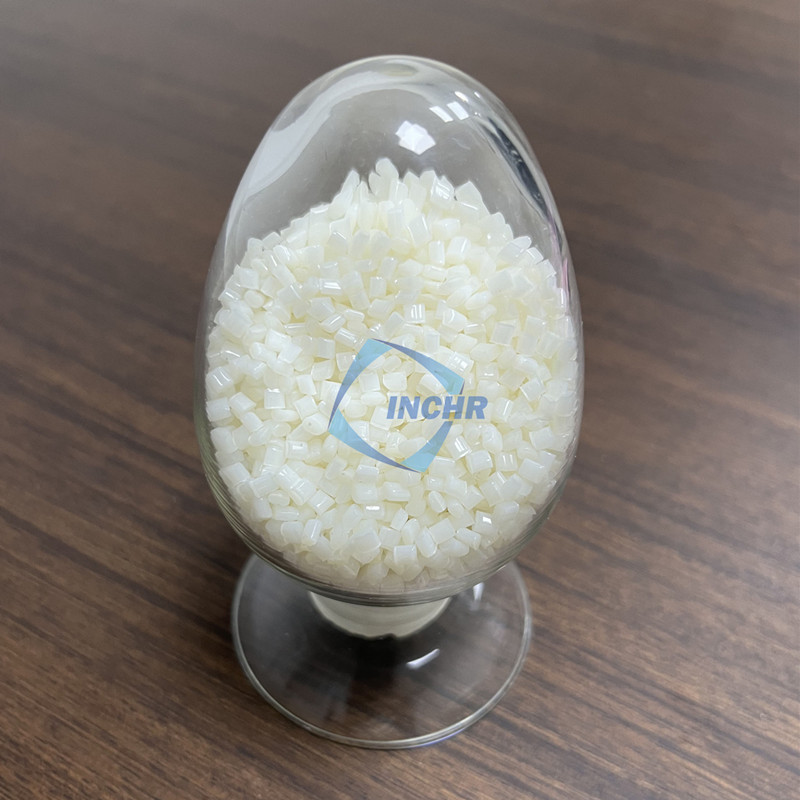
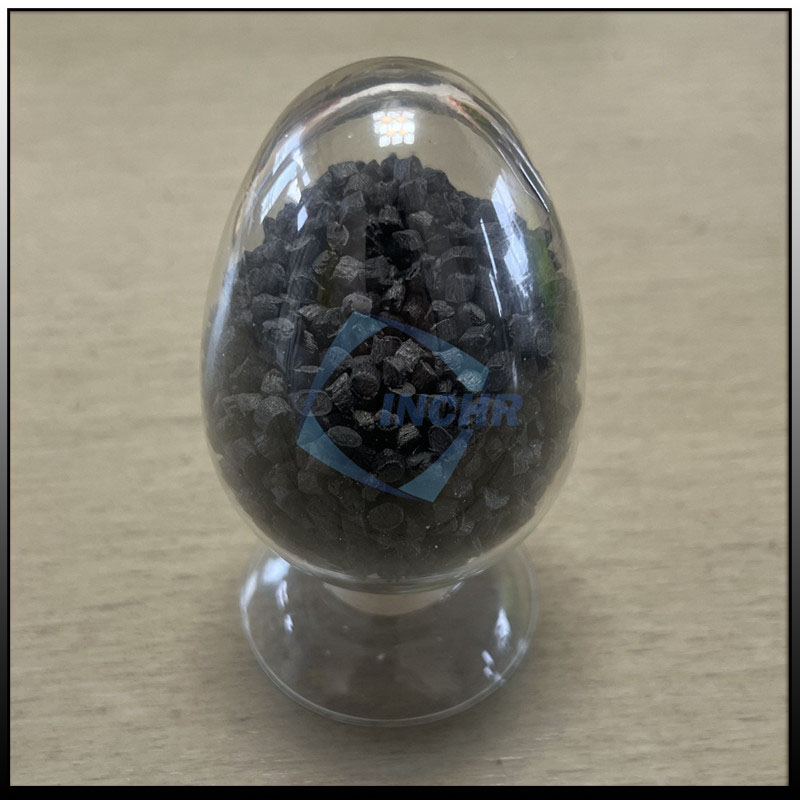
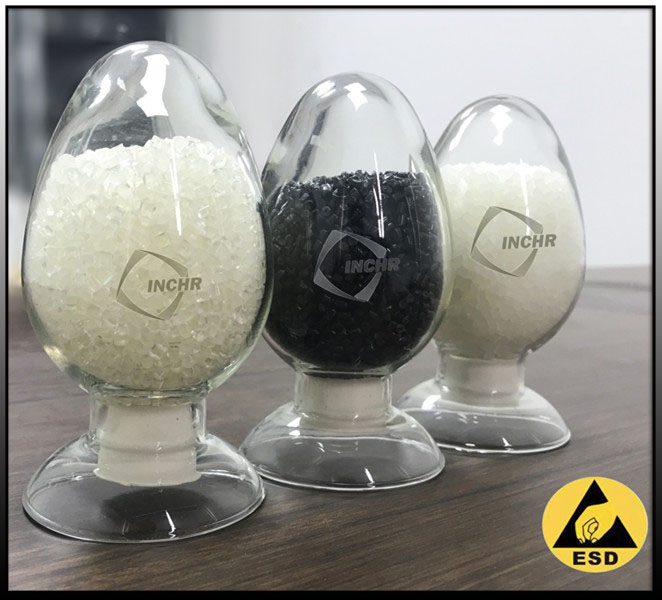
In the ever-evolving landscape of advanced manufacturing, engineers are constantly seeking materials that can withstand extreme conditions without adding unnecessary weight. Enter Carbon Fiber Reinforced Nylon, a high-performance thermoplastic composite that is fundamentally redefining what is possible in structural design. By embedding chopped or continuous carbon fibers into a durable nylon matrix (such as PA6, PA66, or PA12), this advanced material delivers an unmatched combination of rigidity, tensile strength, and thermal stability.
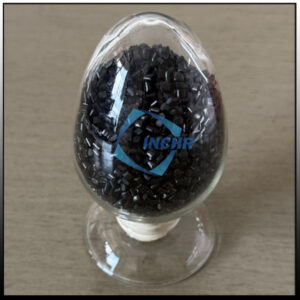
The most prominent advantage of Carbon Fiber Reinforced Nylon is its exceptional strength-to-weight ratio. It is significantly lighter than aluminum and steel, yet it offers comparable, and sometimes superior, mechanical strength. This lightweight nature is critical in industries where every gram counts. In the aerospace sector, utilizing this composite for non-structural brackets and interior components directly translates to improved fuel efficiency and extended flight ranges. Similarly, in the automotive industry, replacing traditional metal die-cast parts with carbon fiber nylon helps reduce overall vehicle weight, thereby enhancing electric vehicle (EV) battery range and reducing carbon emissions.
Beyond weight reduction, Carbon Fiber Reinforced Nylon excels in harsh operating environments. The addition of carbon fibers dramatically increases the material’s heat deflection temperature, allowing it to maintain its structural integrity and stiffness at continuous operating temperatures of up to 200°C. This makes it an ideal candidate for under-the-hood automotive components, engine housings, and industrial machinery parts that are constantly exposed to high thermal stress. Furthermore, carbon fiber nylon exhibits outstanding resistance to oils, greases, solvents, and fuels, ensuring long-term durability in chemically aggressive environments.
Another critical benefit of this composite is its superior fatigue resistance and vibration damping properties. Unlike metals that can suffer from metal fatigue over time, or standard plastics that may warp under cyclic loading, Carbon Fiber Reinforced Nylon absorbs vibrations and resists deformation. This makes it the perfect material for dynamic, high-wear applications such as precision gears, bearings, robotic arms, and even drone propellers. The carbon fibers act as a solid lubricant, reducing friction and significantly extending the service life of moving parts.
The versatility of Carbon Fiber Reinforced Nylon also extends to modern manufacturing techniques like FDM 3D printing. With specialized carbon fiber filaments, manufacturers can rapidly prototype or produce low-volume, customized end-use parts that possess anisotropic strength tailored to specific directional loads. Whether you are designing high-strength machining fixtures, drill guides, or functional prototypes that need to replace metal, this material offers the stiffness required for precise work-holding and tooling.
Choosing the right base polymer is also crucial for optimizing performance. For instance, Nylon 12 (PA12) reinforced with carbon fiber offers lower moisture absorption and greater flexibility, making it perfect for fuel lines and marine applications. On the other hand, high-temperature nylons like PA1010 or PA66 provide maximum rigidity and thermal resistance for extreme engine environments.
Ultimately, Carbon Fiber Reinforced Nylon is not just a material; it is a strategic manufacturing solution. It bridges the gap between the machinability of plastics and the structural integrity of metals, offering a cost-effective, lightweight, and highly durable alternative. Whether your project demands extreme thermal stability, chemical resistance, or superior mechanical strength, upgrading to Carbon Fiber Reinforced Nylon will ensure your components perform flawlessly under pressure.