In today’s competitive manufacturing landscape, engineers are constantly searching for materials that can deliver exceptional mechanical performance without adding unnecessary weight or processing complexity. Carbon Fiber Reinforced ABS (CF-ABS) has emerged as a leading solution, combining the proven processability of standard ABS with the high-strength, lightweight properties of carbon fiber reinforcement to meet the demands of modern industrial applications.
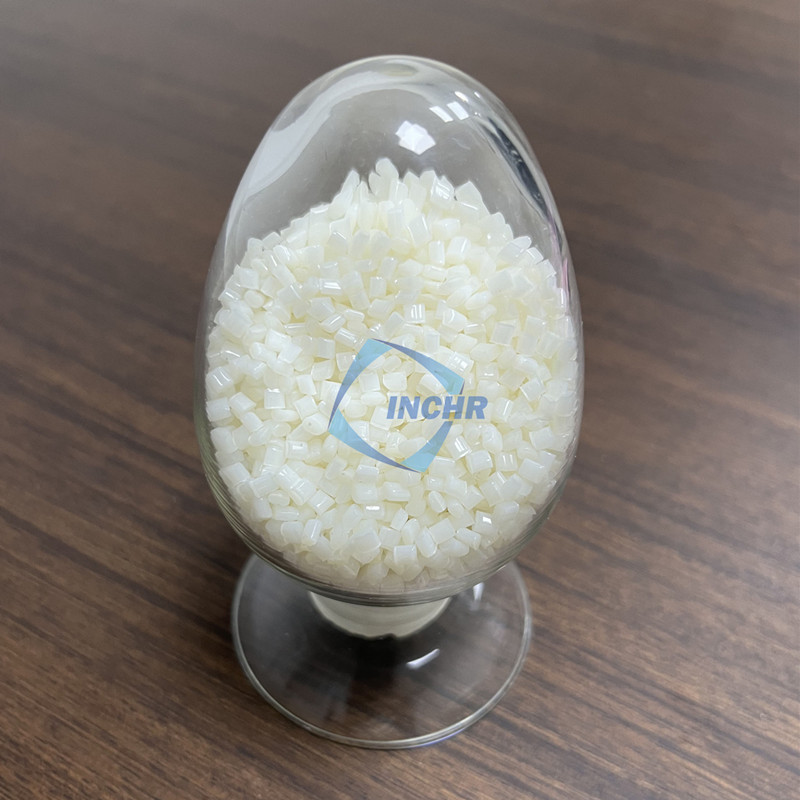
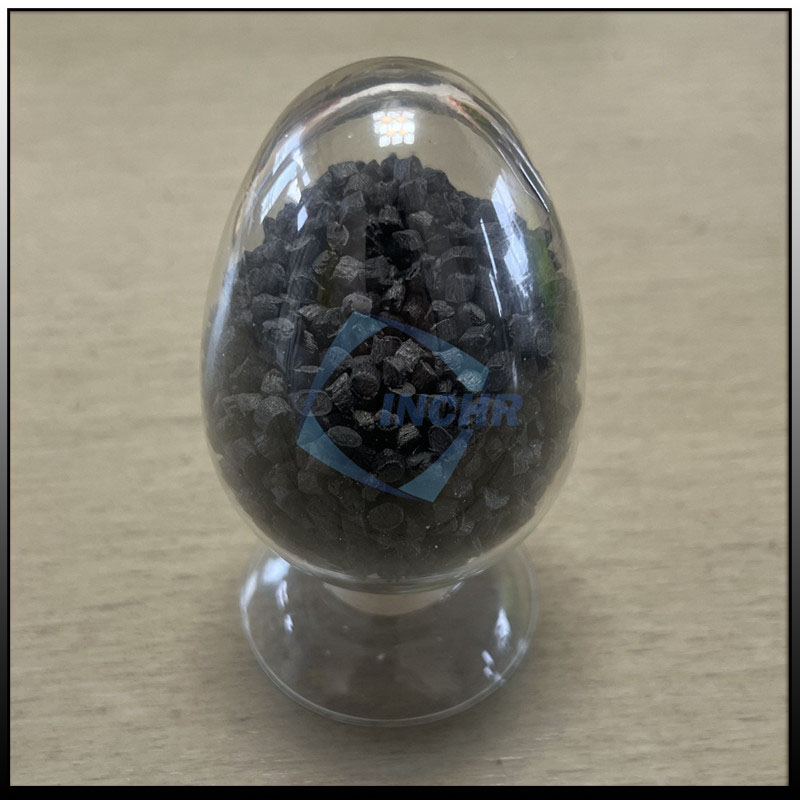
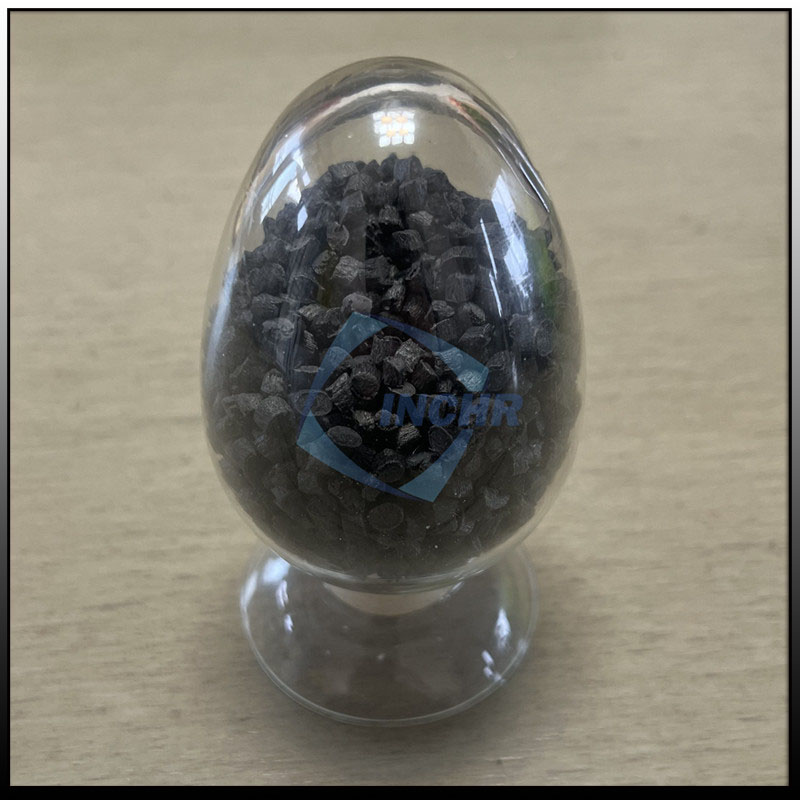
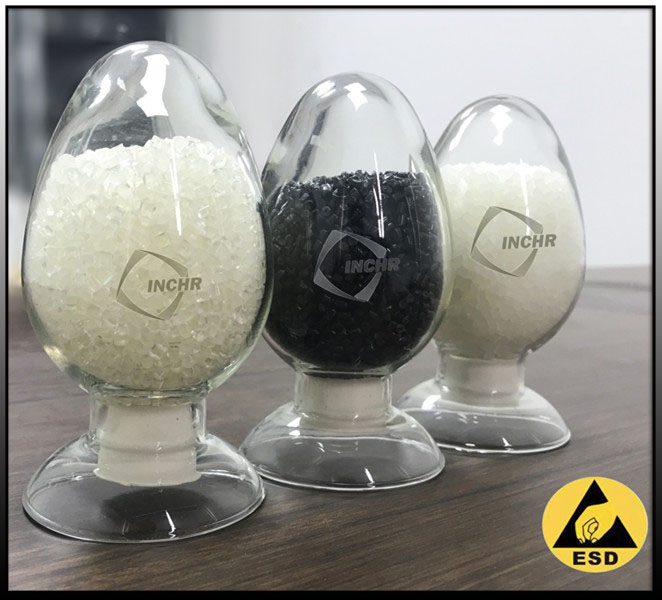
CF-ABS is an advanced thermoplastic composite made by dispersing short-cut carbon fibers (typically 10%-40% by weight) into an acrylonitrile butadiene styrene (ABS) matrix. This combination preserves the best attributes of ABS – including its excellent impact resistance, ease of processing, and smooth surface finish – while dramatically enhancing key performance metrics that standard ABS cannot achieve alone.
The most significant advantage of CF-ABS is its exceptional mechanical upgrade over standard ABS. Testing shows that CF-ABS delivers a 82% increase in flexural modulus, a 65% boost in flexural strength, and over 50% higher stiffness compared to unreinforced ABS, while maintaining good impact resistance. It also exhibits superior creep resistance, meaning parts can withstand long-term static loads without deforming, making it suitable for structural components that must maintain their shape under constant stress.
Beyond mechanical performance, CF-ABS offers outstanding lightweighting benefits. With a density of just 1.22 g/cm³, it is approximately 1/6 the weight of steel and 1/2 the weight of aluminum, and even lighter than other common carbon fiber composites: 13% lighter than PLA-CF and 25% lighter than PET-CF. This weight reduction is critical for industries like aerospace, drones, and automotive, where every gram saved translates to improved fuel efficiency, extended flight times, or longer EV battery range.
CF-ABS also excels in processing versatility. It is compatible with standard injection molding and extrusion equipment, with low molding shrinkage and minimal warpage, allowing for tight dimensional tolerances (±0.1mm) even for complex, high-precision parts. It is also a top choice for FDM 3D printing, where it produces functional prototypes and end-use parts with high dimensional accuracy and a premium matte surface finish that requires no post-processing for a professional look.
Additional benefits include enhanced thermal stability (heat deflection temperature up to 95℃, 20% higher than standard ABS), good resistance to oils, greases, and common solvents, and excellent wear resistance for moving parts.
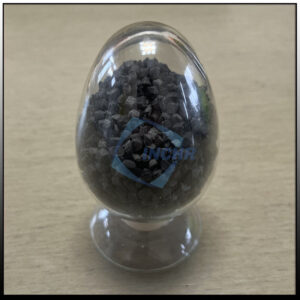
Common applications for CF-ABS include automotive interior and exterior structural parts, drone and UAV frames, electronic device enclosures, precision mechanical components, industrial jigs and fixtures, and high-end sports equipment. Whether you need to replace metal parts to reduce weight, upgrade the performance of standard ABS components, or produce high-strength 3D printed tooling, CF-ABS delivers a cost-effective, high-performance solution.
We offer CF-ABS compounds with customizable carbon fiber content to match your specific performance requirements, along with consistent quality control and reliable production capacity. Contact our team today to request a free sample or technical datasheet and see how CF-ABS can optimize your next project.