Carbon fiber nylon vs glass fiber nylon is an important comparison when selecting reinforced polyamide materials for demanding industrial applications. Both materials combine nylon with reinforcing fibers to improve mechanical performance, but they offer different advantages in stiffness, weight, electrical properties, durability, and manufacturing costs.
Carbon Fiber Reinforced Nylon (CF/PA) and Glass Fiber Reinforced Nylon (GF/PA) are widely considered for engineering components that require better performance than conventional nylon. Understanding their differences helps manufacturers choose the right material for specific product requirements.
1. What Are CF/PA and GF/PA Materials?
1.1 Carbon Fiber Reinforced Nylon (CF/PA)
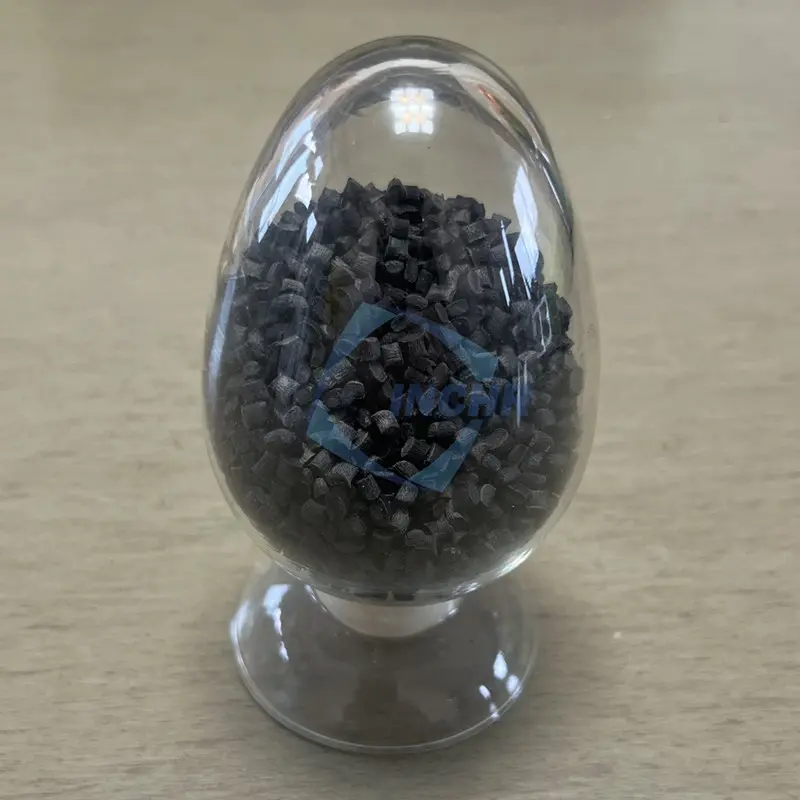
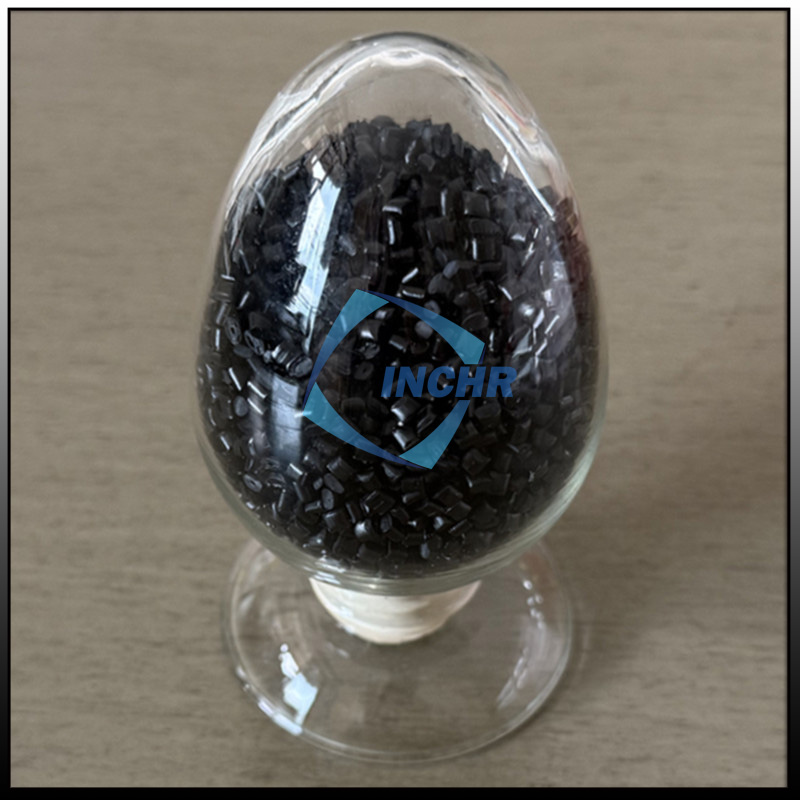
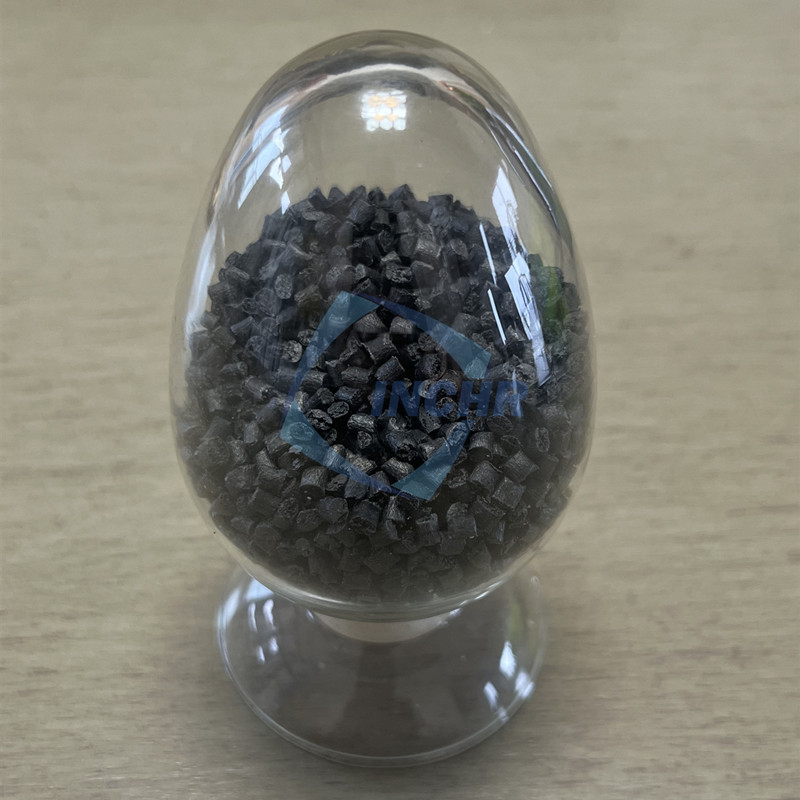
Carbon Fiber Reinforced Nylon is an engineering thermoplastic made by incorporating carbon fibers into a nylon matrix. The carbon fibers improve stiffness, dimensional stability, and mechanical strength while maintaining a relatively low material weight.
One distinctive characteristic of CF/PA is its electrical conductivity. Depending on fiber content, distribution, and formulation, carbon fiber reinforced nylon can provide conductive or static-dissipative properties.
Typical applications include precision mechanical components, electronic housings, industrial equipment parts, and lightweight structural components.
1.2 Glass Fiber Reinforced Nylon (GF/PA)
Glass Fiber Reinforced Nylon is produced by adding glass fibers to a nylon base material. Glass fibers enhance tensile strength, rigidity, heat resistance, and dimensional stability.
GF/PA is often selected for applications that require reliable mechanical performance and cost-effective reinforcement. It is commonly used in automotive components, electrical enclosures, machinery parts, and structural plastic components.
Unlike carbon fiber reinforced nylon, standard glass fiber reinforced nylon is generally electrically insulating.
2. Carbon Fiber Nylon vs Glass Fiber Nylon: Key Differences
Although both materials improve the performance of conventional nylon, their properties differ in several important areas.
| Comparison Factor | CF/PA | GF/PA |
|---|---|---|
| Reinforcement | Carbon fiber | Glass fiber |
| Density | Generally lower | Generally higher |
| Stiffness | Very high | High |
| Strength-to-weight ratio | Generally higher | Application-dependent |
| Electrical properties | Conductive or dissipative formulations available | Generally insulating |
| Thermal performance | Good, depending on formulation | Good, depending on formulation |
| Dimensional stability | Excellent in suitable formulations | Good to excellent |
| Material cost | Generally higher | Generally lower |
| Typical applications | Precision and lightweight components | Structural and industrial components |
Actual performance depends on nylon grade, fiber loading, fiber orientation, moisture absorption, processing conditions, and product design.
3. Five Important Performance Differences
3.1 Strength and Stiffness
Both CF/PA and GF/PA offer improved mechanical properties compared with unreinforced nylon.
Carbon fiber reinforced nylon is particularly attractive when high stiffness and lightweight construction are priorities. Its reinforcing fibers can help reduce deformation under mechanical loads.
Glass fiber reinforced nylon also provides substantial reinforcement and is suitable for components exposed to repeated mechanical stress.
The best option depends on the required load capacity, component geometry, and operating environment rather than fiber type alone.
3.2 Weight and Density
Weight reduction is one of the main reasons manufacturers consider CF/PA.
Carbon fibers generally have a lower density than glass fibers. As a result, carbon fiber reinforced nylon can offer weight advantages over comparable glass fiber reinforced formulations.
This makes CF/PA useful in applications where reducing component weight can improve equipment efficiency or simplify mechanical design.
3.3 Electrical Conductivity
Electrical behavior is another major difference between these materials.
Carbon fibers can create conductive pathways within a nylon matrix when the formulation and fiber distribution are appropriate. This makes certain CF/PA grades suitable for applications requiring electrical conductivity or static control.
GF/PA is normally electrically insulating and is often preferred when electrical isolation is important.
For ESD-sensitive applications, material selection should be based on verified surface or volume resistivity measurements rather than fiber type alone.
3.4 Dimensional Stability and Heat Resistance
Both reinforced nylon materials can provide improved dimensional stability compared with standard nylon.
Carbon fiber reinforcement can help control deformation and improve stiffness in precision components. Glass fiber reinforcement also improves rigidity and supports components operating under elevated temperatures.
However, nylon absorbs moisture, which can affect dimensions and mechanical performance. The selected nylon grade, environmental conditions, and processing quality must therefore be considered.
3.5 Cost and Manufacturing Considerations
GF/PA is generally more economical and offers a practical balance between mechanical performance and material cost.
CF/PA usually involves higher material costs but may provide additional benefits in weight reduction, stiffness, and electrical performance.
Manufacturers should also consider processing requirements. Both materials contain abrasive reinforcement fibers that can accelerate tool wear during processing. Appropriate equipment, tooling, and processing parameters are important for maintaining product consistency.
4. How to Choose Between CF/PA and GF/PA?
The right material depends on the actual performance requirements of the finished component.
| Application Requirement | Recommended Material |
|---|---|
| Lightweight structural components | CF/PA |
| High stiffness and precision | CF/PA |
| Conductive or static-control requirements | Suitable CF/PA grade |
| Cost-effective mechanical reinforcement | GF/PA |
| Electrical insulation | GF/PA |
| General industrial structural components | GF/PA |
When Should You Choose CF/PA?
Choose carbon fiber reinforced nylon when your project prioritizes:
- High stiffness with reduced component weight.
- Improved dimensional control.
- Electrical conductivity or static-dissipative performance.
- Lightweight precision engineering components.
When Should You Choose GF/PA?
Choose glass fiber reinforced nylon when your project requires:
- Reliable mechanical reinforcement.
- Good rigidity and structural performance.
- Electrical insulation.
- A more economical engineering plastic solution.
5. Conclusion
Carbon Fiber Reinforced Nylon and Glass Fiber Reinforced Nylon both provide valuable improvements over conventional nylon, but they serve different engineering priorities.
CF/PA is generally more suitable for lightweight, high-stiffness, and conductivity-related applications. GF/PA offers a cost-effective solution for components requiring mechanical reinforcement and electrical insulation.
Before choosing either material, manufacturers should evaluate mechanical loads, operating temperatures, moisture exposure, electrical requirements, production methods, and total material costs.
Selecting the right reinforced nylon formulation can improve component performance, product reliability, and long-term manufacturing efficiency.
Frequently Asked Questions
1. Is carbon fiber reinforced nylon stronger than glass fiber reinforced nylon?
Not necessarily in every application. CF/PA generally offers advantages in stiffness and strength-to-weight ratio, while GF/PA can provide excellent mechanical strength at a lower cost. Actual performance depends on formulation and fiber content.
2. Which is lighter, carbon fiber nylon or glass fiber nylon?
Carbon fiber reinforced nylon is generally lighter than comparable glass fiber reinforced nylon because carbon fibers typically have a lower density than glass fibers.
3. Is carbon fiber reinforced nylon electrically conductive?
Some CF/PA formulations provide electrical conductivity or static-dissipative properties. Their actual electrical performance depends on carbon fiber content, distribution, and formulation.
4. Can glass fiber reinforced nylon be used for electrical insulation?
Yes. GF/PA is generally electrically insulating and is commonly considered for electrical and electronic components requiring mechanical reinforcement.
5. Which material is more cost-effective, CF/PA or GF/PA?
GF/PA is generally more cost-effective for applications requiring mechanical reinforcement. CF/PA may justify its higher material cost when lightweight construction, high stiffness, or electrical performance is essential.