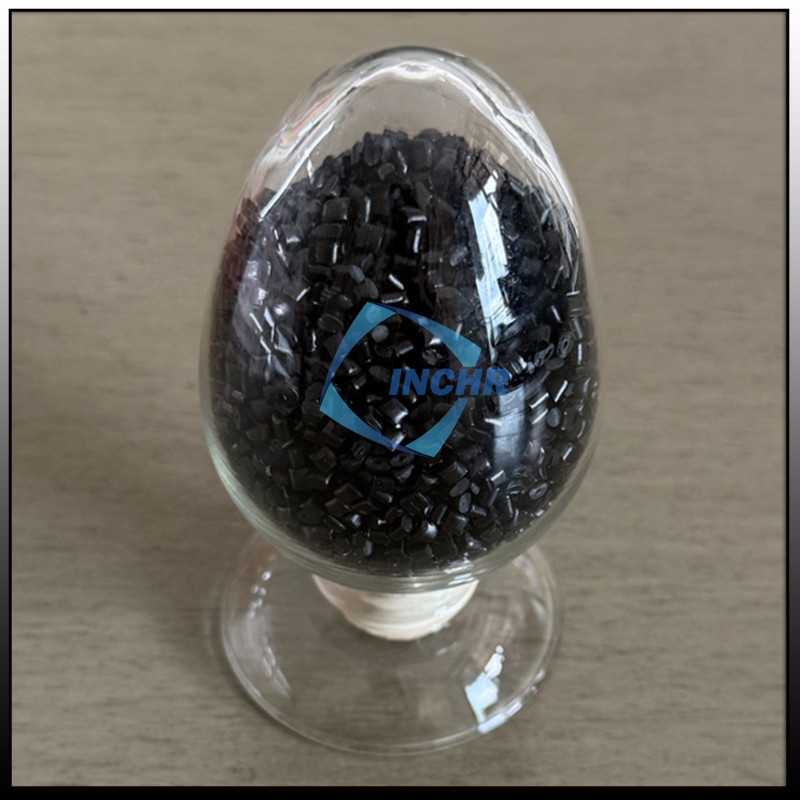
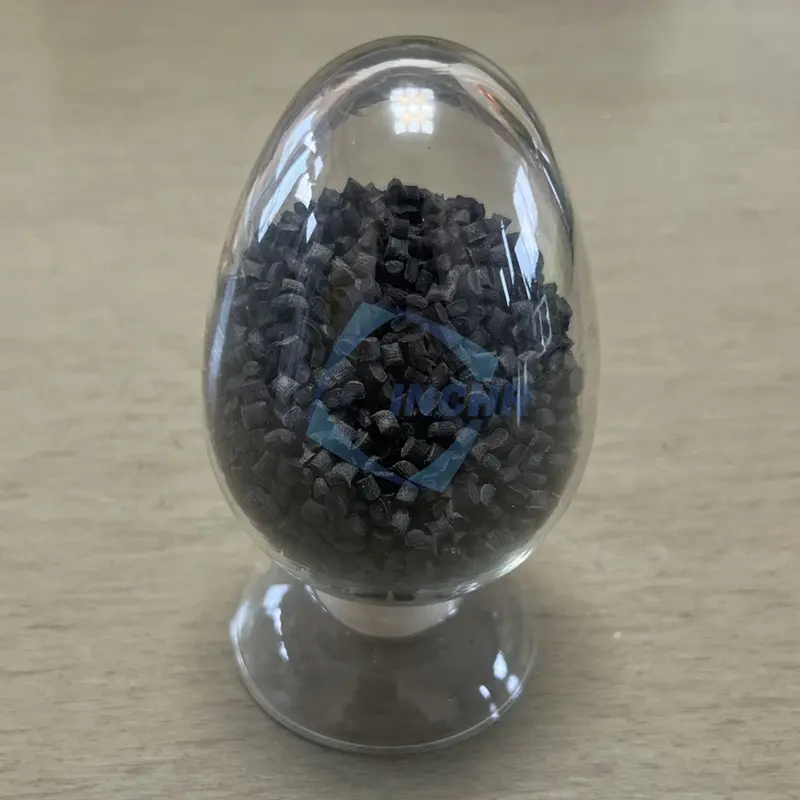
Carbon fiber reinforced plastic (CFRP) is a high-performance composite material formed by embedding carbon fiber reinforcements into a polymer resin matrix. It combines the ultra-high strength and stiffness of carbon fibers with the formability, corrosion resistance and light weight of plastic resins, creating a material class that outperforms traditional metals in strength-to-weight ratio. As industries continue to pursue lightweight design, energy efficiency and structural reliability, carbon fiber reinforced plastic has become a core material solution for high-end manufacturing and engineering applications.
The most defining advantage of carbon fiber reinforced plastic is its exceptional specific strength and stiffness. Standard CFRP can deliver tensile strength comparable to steel at only one fifth to one fourth of the density, making it far superior to aluminum, steel and most engineering plastics in strength per unit weight. This lightweight property directly reduces energy consumption, improves load capacity and extends service life in moving structures. Beyond mechanical performance, CFRP exhibits excellent corrosion resistance to most acids, salts and industrial environments, eliminating the rust and degradation issues that commonly affect metal components. It also has outstanding fatigue resistance, maintaining structural integrity after millions of load cycles, which is critical for long-term dynamic load applications.
Carbon fiber reinforced plastic is available with different resin matrix systems to match varied operating conditions. Thermoset epoxy-based CFRP provides the highest dimensional stability, heat resistance and mechanical performance, making it the standard choice for aerospace and high-load structural parts. Thermoplastic CFRP, based on resins such as PA, PEEK and PP, offers faster processing, weldability and impact resistance, and is widely used in automotive, consumer and industrial mass production. Fiber content and orientation can also be adjusted: unidirectional fiber layout delivers maximum strength along the load direction, while woven fabric provides balanced strength in multiple directions for complex structural parts.
Carbon fiber reinforced plastic serves a broad range of industrial sectors. In aerospace and aviation, it is used for fuselage panels, wing structures, brackets and interior components, significantly reducing aircraft weight and improving fuel efficiency while maintaining strict safety standards. In the automotive industry, CFRP is applied to body panels, chassis components, battery enclosures and structural parts for new energy vehicles, helping manufacturers extend driving range and improve vehicle performance without compromising safety. In wind energy, large CFRP blades enable higher energy capture efficiency and longer service life under extreme weather conditions.
It also plays an important role in industrial automation, medical equipment, sports equipment and marine engineering. Industrial robots and automated production lines use CFRP robotic arms and fixtures for higher speed, lower vibration and improved positioning accuracy. In medical applications, its radiolucent property and biocompatibility make it suitable for surgical instruments and imaging equipment components.
When selecting carbon fiber reinforced plastic for production, engineers should consider resin type, fiber content, fiber orientation and processing method. Higher fiber content increases strength and stiffness but may reduce impact toughness and raise material cost. For parts under impact loads, intermediate fiber content or toughened resin systems are recommended. CFRP can be manufactured through compression molding, filament winding, autoclave curing, injection molding and CNC machining, and each process requires corresponding design optimization to achieve optimal performance. Surface treatment and coating can also be applied to improve wear resistance, UV stability and surface finish.
Custom CFRP fabrication and precision machining services
Compared with traditional metal materials, carbon fiber reinforced plastic offers clear total lifecycle value. Although the upfront material cost is higher, its lightweight design reduces energy and operation costs, its corrosion resistance eliminates frequent maintenance and replacement, and its design flexibility enables integrated part structures that reduce assembly work. For high-performance applications where weight, strength and durability are critical, CFRP delivers a more cost-effective solution over the full product lifecycle.
In conclusion, carbon fiber reinforced plastic represents a transformative material for modern industrial manufacturing. Its unique combination of high strength, light weight, corrosion resistance and design flexibility makes it an essential choice for aerospace, automotive, wind energy and precision engineering fields. Working with an experienced composite supplier helps manufacturers select the right material grade, optimize structural design and achieve the best balance of performance and cost.