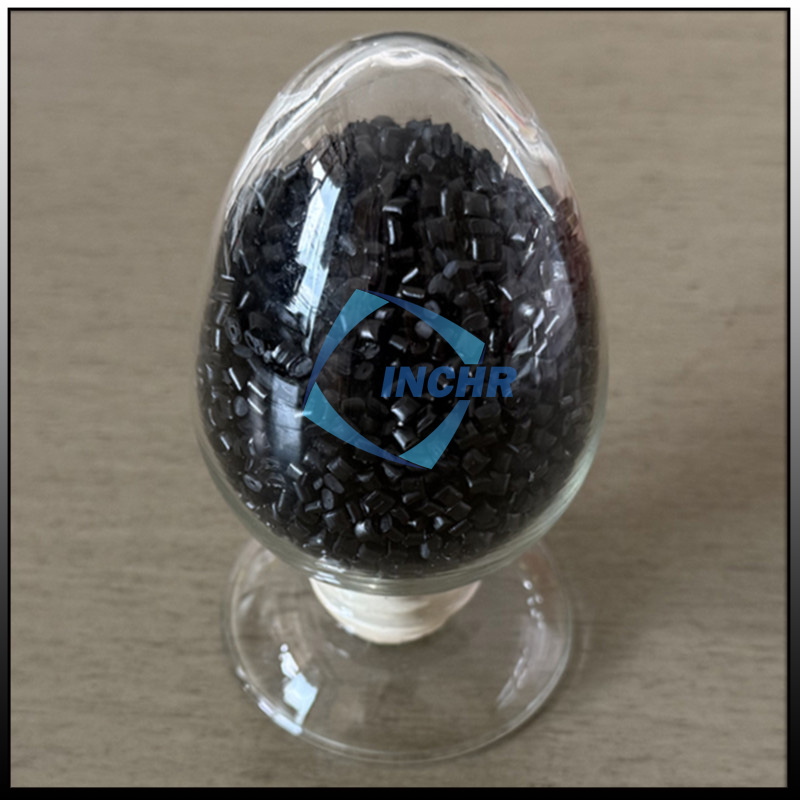
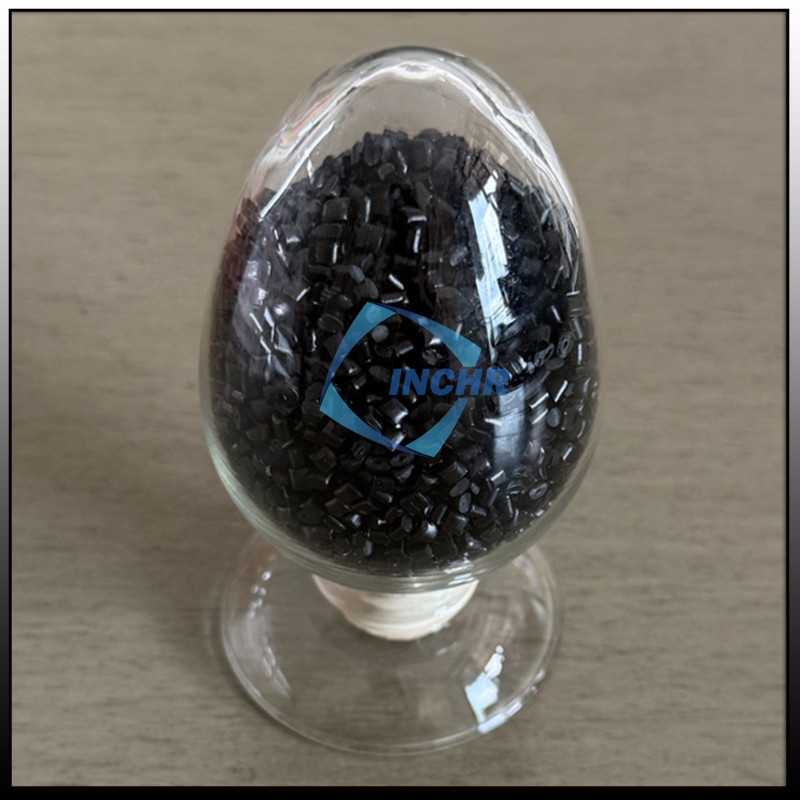
Antistatic masterbatch is an important additive used in plastic manufacturing to reduce static electricity buildup on finished products and during processing. Static charge can attract dust, cause packaging problems, interfere with production efficiency, and even create safety risks in certain environments. By incorporating antistatic masterbatch into polymers, manufacturers can improve product performance, appearance, and usability.

What Is Antistatic Masterbatch?
Antistatic masterbatch is a concentrated mixture of antistatic agents carried in a resin base. It is blended with raw plastic materials such as PE, PP, PS, or ABS before molding or extrusion. During processing and use, the additive helps dissipate static charges from the surface of the plastic.
antistatic-masterbatch-products
This makes it especially useful for applications where dust control, clean surfaces, or electrical safety are important.
How Antistatic Masterbatch Works
Static electricity is created when plastic surfaces rub against other materials or separate during processing. Because many plastics are naturally insulating, the charge can remain on the surface for a long time.
Antistatic masterbatch works in one of two ways:
- Internal antistatic action: reduces charge buildup within the material
- External antistatic action: helps static dissipate more quickly from the surface
Some formulations are designed for long-term performance, while others provide temporary protection for short-term use.
Key Benefits of Antistatic Masterbatch
Antistatic masterbatch offers several advantages for manufacturers and end users.
1. Reduces dust attraction
Plastic products with static charge easily attract dust and dirt. Antistatic masterbatch helps keep surfaces cleaner.
2. Improves production efficiency
Lower static charge can reduce cling, blocking, and processing issues during extrusion, thermoforming, and packaging.
3. Enhances product safety
In sensitive environments, static discharge may create sparks or damage electronic components. Antistatic additives help lower this risk.
4. Supports better appearance
Cleaner surfaces and less dust buildup improve the visual quality of plastic products.
5. Easy to process
Masterbatch form is convenient to handle, store, and mix uniformly with base resins.
Common Applications
Antistatic masterbatch is widely used in industries where static control matters. Typical applications include:
- Plastic films and packaging
- Electronic component packaging
- Industrial trays and containers
- Household plastic products
- Medical and cleanroom-related plastic items
It is particularly valuable in packaging that must protect sensitive products from dust or electrostatic discharge.
Choosing the Right Antistatic Masterbatch
When selecting an antistatic masterbatch, manufacturers should consider the following factors:
- Base resin compatibility
- Required antistatic performance
- Processing temperature
- Product life cycle
- Surface appearance requirements
- End-use environment
The right formulation depends on whether the product needs temporary static reduction or long-lasting antistatic protection.
Processing and Quality Control
To achieve stable performance, antistatic masterbatch should be evenly dispersed in the polymer matrix. Proper mixing ratio, processing temperature, and testing are essential. Quality control should verify dispersion, surface resistivity, and long-term effectiveness.
Conclusion
Antistatic masterbatch is a practical solution for reducing static buildup in plastic products and improving both processing and final performance. From packaging to industrial applications, it helps manufacturers create cleaner, safer, and more reliable products. For companies seeking better static control, choosing the right antistatic masterbatch is a smart and effective step.