Introduction: Static Control Starts with Material Design
Electrostatic discharge can damage sensitive electronic components, interrupt manufacturing operations, and create quality problems during product handling. In industries where electronic reliability matters, controlling static electricity must be considered throughout product design and manufacturing.
ESD plastics provide one way to address this challenge. By modifying conventional polymers with antistatic additives or conductive fillers, manufacturers can produce plastic components with controlled electrical properties.
However, choosing an ESD material is not simply a matter of finding the lowest resistance value. The material must match the intended application, manufacturing process, mechanical requirements, and operating environment.
This guide explains how to evaluate ESD plastics from a practical engineering perspective.
1. Understand the Difference Between ESD Material Categories
ESD plastics are not a single material type. They include different formulations designed to control electrical charge in different ways.
| Material category | Main function | Typical application |
|---|---|---|
| Antistatic plastics | Reduce the accumulation of static charge | Packaging films, covers, and plastic sheets |
| Static-dissipative plastics | Allow charge to dissipate in a controlled manner | Electronic component trays and handling equipment |
| Conductive plastics | Provide relatively low electrical resistance | Conductive containers and specialized industrial components |
| Permanent antistatic plastics | Maintain antistatic functionality through a designed additive system | Reusable packaging and molded plastic parts |
The required electrical performance depends on the application. A material suitable for general packaging may not be appropriate for a component carrier that directly handles sensitive electronic devices.
Surface resistance, surface resistivity, volume resistance, and volume resistivity should also be distinguished. These measurements describe different electrical characteristics and should be evaluated using appropriate test methods.
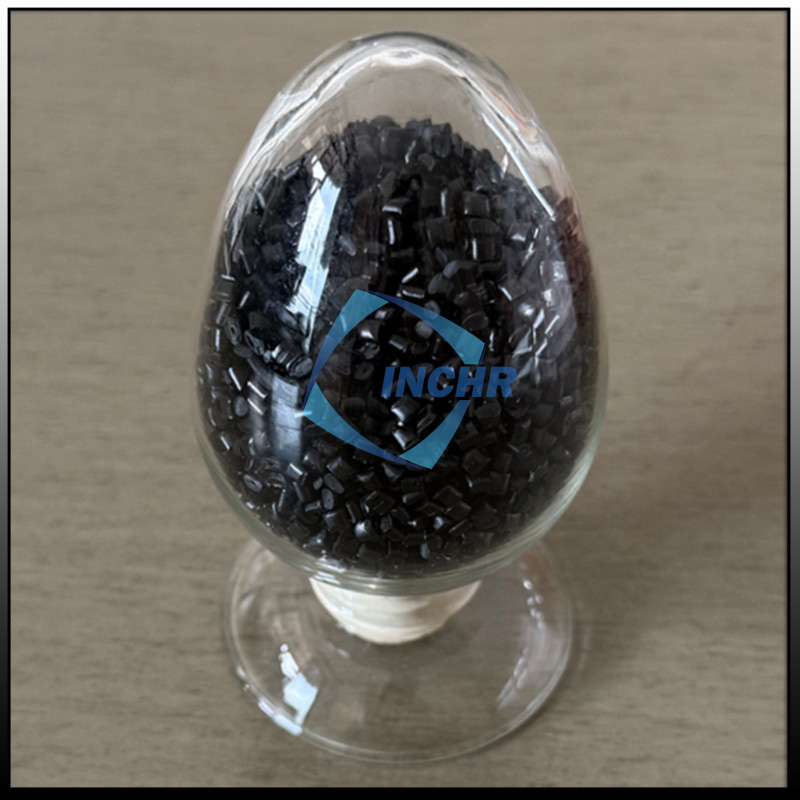
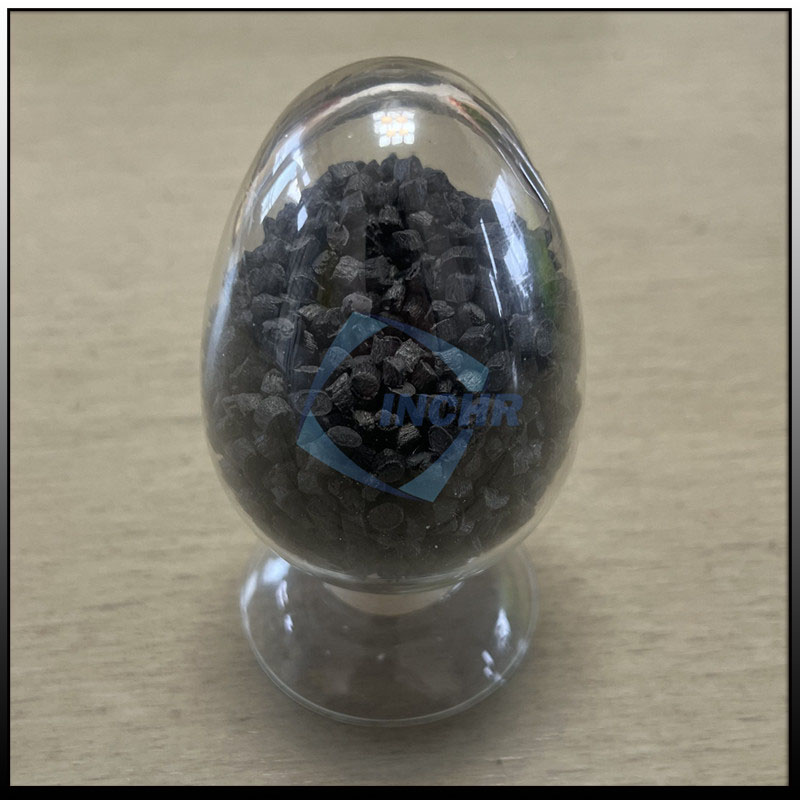
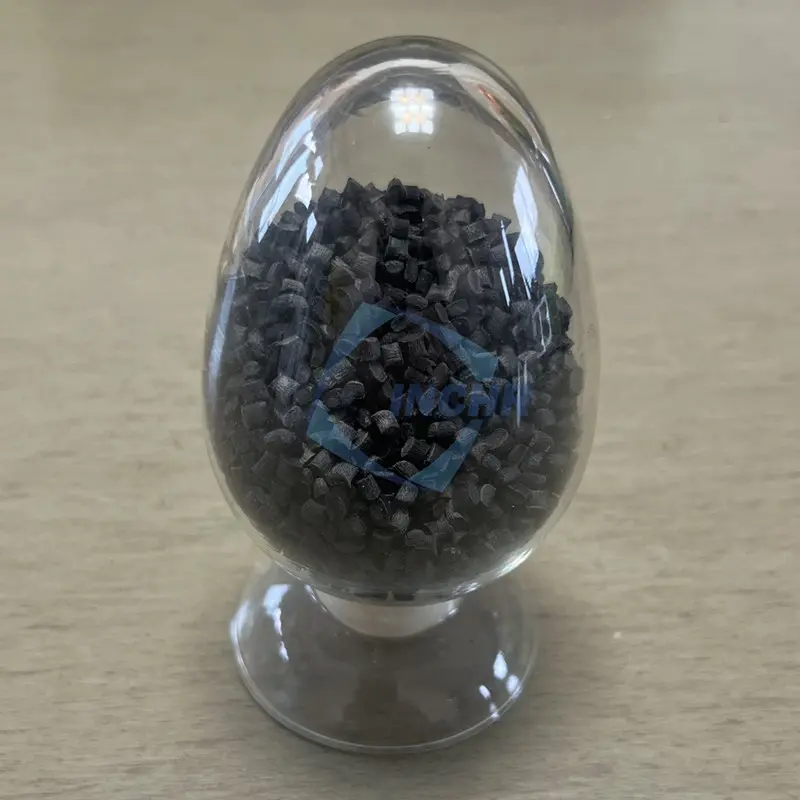
ESD plastics materials, benefits, and applications
2. Select the Base Polymer Before Choosing the ESD Modification
The base resin determines many of the physical and processing characteristics of an ESD plastic. A suitable electrical formulation must also work with the polymer used in the finished component.
Common base polymers include:
| Base polymer | Relevant characteristics | Potential ESD applications |
|---|---|---|
| PP | Lightweight and widely processed | Packaging sheets, containers, and molded parts |
| ABS | Good processing characteristics and impact performance | Electronic equipment housings |
| PC | High impact resistance and dimensional stability | Protective housings and industrial components |
| PA (Nylon) | Mechanical strength and wear resistance | Engineering components and equipment parts |
| POM | Dimensional stability and sliding properties | Precision mechanical components |
| TPU | Flexibility and elastic behavior | Flexible components and protective applications |
The best choice depends on more than the polymer name. Manufacturers should evaluate operating temperature, chemical exposure, mechanical loading, moisture conditions, and processing requirements.
For example, a plastic housing for electronic equipment may require impact resistance and a controlled surface resistance. A reusable component tray may place greater emphasis on wear resistance, dimensional stability, and repeated cleaning.
3. Choose the Right Modification Technology
ESD performance can be introduced through different material modification approaches. Each has its own advantages and limitations.
Permanent antistatic additives
These additives are incorporated into compatible polymer systems to reduce static charge accumulation. They can be useful when manufacturers want to avoid relying on temporary surface treatments.
antistatic masterbatch solutions
Conductive fillers
Materials such as carbon black, carbon nanotubes, and carbon fiber can create conductive pathways within a polymer matrix. The final electrical properties depend on filler selection, concentration, dispersion, and processing conditions.
ESD compounds and masterbatches
Pre-formulated compounds and masterbatches provide manufacturers with different ways to introduce static-control functionality. A ready-to-process compound may simplify material management, while a masterbatch can be incorporated into a compatible base resin at a controlled dosage.
The choice should consider the production process, required resistance range, and consistency of the finished product.
4. Evaluate the Complete Operating Environment
A material that performs well under laboratory conditions may behave differently in actual use. Environmental and operational factors should therefore be included in the selection process.
Key considerations include:
- Humidity: Some antistatic systems are affected by environmental moisture.
- Temperature: Processing and service temperatures can influence material properties.
- Chemical exposure: Cleaning agents, oils, and solvents may affect the polymer or additive system.
- Mechanical wear: Repeated contact, friction, and abrasion can influence surface performance.
- Cleaning frequency: Reusable ESD components may require resistance to repeated cleaning procedures.
For semiconductor handling, electronics manufacturing, and other sensitive environments, material selection should also consider cleanliness, contamination control, and compatibility with the overall ESD protection program.
5. Test the Finished Part, Not Just the Raw Material
One common mistake in ESD material selection is relying entirely on a supplier’s raw-material data.
The electrical performance of a finished component can be influenced by processing conditions, wall thickness, filler distribution, surface condition, and part geometry. Therefore, testing should include representative molded or extruded samples.
A practical validation plan can include:
| Test item | What it helps evaluate |
|---|---|
| Surface resistance or resistivity | Electrical behavior at the material surface |
| Volume resistance or resistivity | Electrical behavior through the material |
| Mechanical testing | Strength, impact resistance, and durability |
| Dimensional inspection | Part accuracy and production consistency |
| Environmental testing | Performance under expected operating conditions |
| Processing trials | Suitability for injection molding, extrusion, or film production |
For electrical measurements, IEC 61340-2-3 provides methods for determining the resistance and resistivity of solid materials used to avoid electrostatic charge accumulation.
6. Why Material Customization Matters
Standard ESD grades may not satisfy every product requirement. A customized formulation can help balance electrical performance with mechanical properties, appearance, processability, and cost.
Established in Dongguan, China, in 2012, INCHR specializes in ESD plastic materials and modified polymer solutions. Its product portfolio includes permanent antistatic additives, conductive compounds, antistatic compounds, carbon fiber reinforced compounds, ESD masterbatches, and other modified plastics, including graphene-reinforced materials.
Supported by an R&D team with technical support from East China University of Science and Technology, INCHR focuses on material formulation and application development. Its facilities include polymerization equipment, twin-screw granulation units, single-screw processing equipment, and professional ESD testing equipment.
When discussing a customized ESD plastic solution, manufacturers should provide the following information:
- Base polymer and preferred material grade.
- Target electrical resistance or resistivity.
- Manufacturing process and equipment requirements.
- Mechanical and appearance specifications.
- Operating temperature and environmental conditions.
- Intended application and expected service life.
These details help the material supplier assess a suitable formulation and recommend an appropriate testing plan.
Conclusion
Selecting reliable ESD plastics requires a balanced approach. Electrical performance is essential, but resin compatibility, mechanical properties, environmental exposure, and manufacturing consistency are equally important.
By defining the application’s requirements first and validating the finished component through appropriate testing, manufacturers can reduce material selection risks and develop more dependable static-control products.
Looking for an ESD plastic solution for your project? Explore INCHR’s ESD plastic products to compare material categories and discuss your application requirements.
Frequently Asked Questions
Q1. What are ESD plastics?
A:ESD plastics are polymer materials modified to control electrostatic charge. Depending on their formulation, they can reduce charge accumulation, dissipate static electricity, or provide conductive pathways.
Q2. What is the difference between antistatic and conductive plastics?
A:Antistatic plastics are designed to reduce static charge accumulation, while conductive plastics provide relatively low electrical resistance. Static-dissipative materials allow charge to move away in a controlled manner.
Q3. Which polymers can be modified into ESD plastics?
A:Common options include PP, PE, ABS, PC, PA, POM, PVC, TPU, and other thermoplastics. The suitable polymer depends on the product’s mechanical, electrical, and processing requirements.
Q4. Do ESD plastics always need to be black?
A:No. Some conductive filler systems commonly produce dark or black materials, but antistatic formulations and selected modified polymers can be available in natural, translucent, or other customized colors. Color availability depends on the formulation.
Q5. Are ESD properties affected by humidity?
A:They can be. Some antistatic technologies are influenced by environmental humidity, while certain conductive filler systems are less dependent on moisture. Actual performance should be verified under the intended operating conditions.
Q6. How can I test ESD plastic performance?
A:Surface resistance or resistivity and volume resistance or resistivity are commonly evaluated. The test method and conditions should be selected according to the material and intended application.
Q7. How do I choose an ESD plastics manufacturer?
A:Look for a supplier with polymer formulation experience, appropriate electrical testing equipment, processing knowledge, material documentation, and the ability to support application-specific development. Always validate samples before mass production.