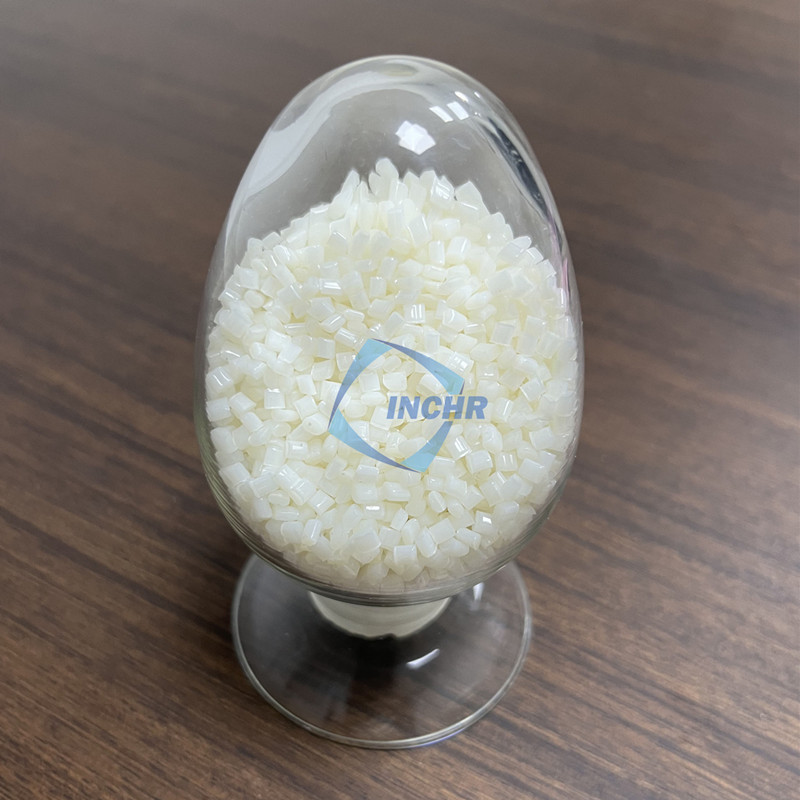
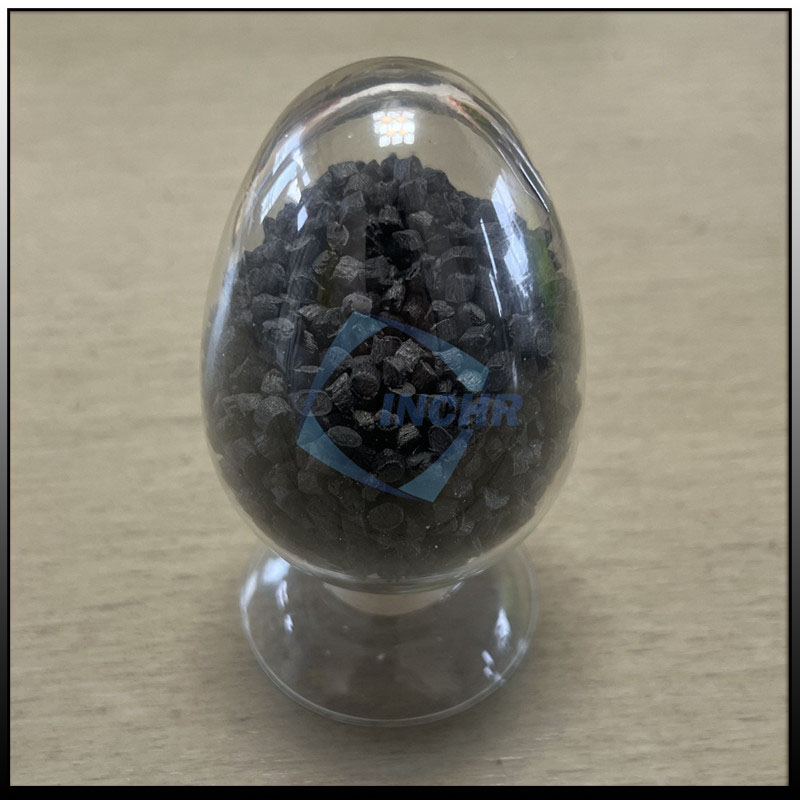
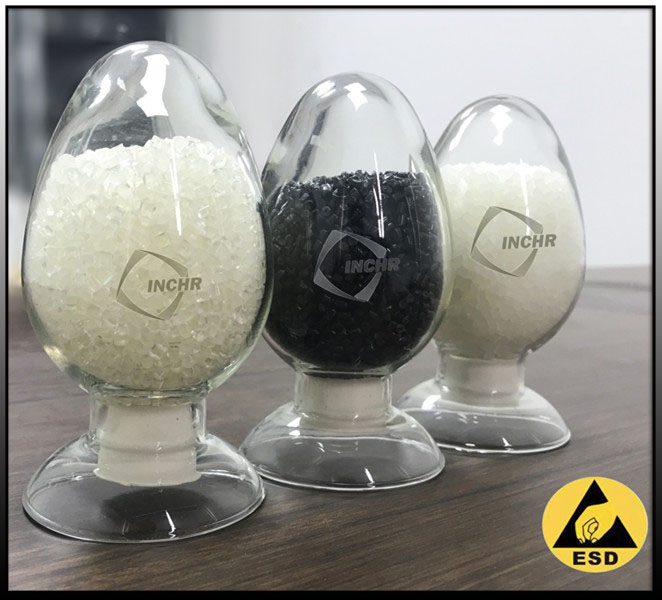
What Are ESD Plastics?
ESD plastics are engineered materials designed to safely dissipate static electricity instead of allowing it to accumulate on a surface. In electronics manufacturing, a single electrostatic discharge as small as 100 volts can damage sensitive components — far below what a human can even feel. This is why ESD (electrostatic discharge) control has become a non-negotiable requirement in modern production environments, from semiconductor fabs to small-scale PCB assembly shops.
Unlike standard insulative plastics such as acrylic or PTFE, which trap electrical charges on their surface, ESD plastics are formulated with conductive additives or surface treatments that allow static charges to bleed away in a controlled manner.

How ESD Plastics Work
The performance of an ESD plastic is defined by its surface resistance, measured in ohms (Ω). The industry standard, IEC 61340-5-1, categorizes materials as follows:
- Conductive materials: surface resistance below 10⁴ Ω — they discharge static almost instantly, which can itself create a spark risk in some settings.
- ESD (static-dissipative) materials: surface resistance between 10⁶ and 10⁹ Ω — the sweet spot. Charges are removed quickly enough to prevent buildup, yet slowly enough to avoid damaging discharge events.
- Insulative materials: surface resistance above 10¹² Ω — these are the plastics you must avoid in static-controlled areas.
This controlled dissipation is exactly why ESD plastics, rather than fully conductive metals or carbon-filled materials, dominate electronics workstations, fixtures, and packaging.
Common ESD Plastic Materials
Choosing the right ESD plastic means balancing electrical performance with mechanical strength, chemical resistance, temperature tolerance, and cost. The most widely used grades include:
ESD ABS — The workhorse for trays, bins, and handling fixtures. It is affordable, easy to machine, and dimensionally stable, making it the default choice for most electronics assembly applications.
ESD PVC and ESD Acrylic (PMMA) — Frequently used for machine guards, cleanroom windows, and workstation shelving. PVC offers better chemical resistance, while acrylic provides superior optical clarity.
ESD POM (Acetal) — Known for excellent wear resistance and low friction, POM is ideal for gears, sliding parts, and precision fixtures subject to repeated motion.
ESD PEI (Ultem) and ESD PEEK — High-performance engineering plastics that retain their dissipative properties at elevated temperatures. These are the materials of choice in semiconductor test sockets, wafer handling, and high-temperature processing equipment, where reliability justifies the premium cost.
ESD Polycarbonate — Combining impact strength with dimensional stability, it is commonly specified for structural fixtures and transparent protective components in SMT lines.
Key Applications
ESD plastics protect products and people across a wide range of industries:
- Electronics manufacturing — assembly trays, component bins, carousel fixtures, and SMT pallets that keep PCBs safe throughout production.
- Semiconductor and cleanroom environments — wafer carriers, test fixtures, and process tooling, where both static control and low particle generation are mandatory.
- Medical device manufacturing — handling and packaging for sensitive diagnostic equipment and implantable electronics.
- Explosive and flammable material handling — parts and containers where a single spark could trigger a catastrophic event.
- Precision optics and aerospace assembly — fixtures for components that are vulnerable to both static damage and particulate contamination.
How to Choose the Right ESD Plastic
When specifying a static-control material, evaluate four factors:
- Surface resistance range required by your ESD control plan (most programs specify 10⁶–10⁹ Ω).
- Mechanical demands — load, wear, and impact conditions of the fixture or part.
- Environmental exposure — temperature, humidity, and chemicals the material will face.
- Compliance and traceability — look for materials certified to IEC 61340-5-1 or ANSI/ESD S20.20 program requirements.
Requesting material certifications and lot-specific test reports from your supplier is a best practice that serious buyers should never skip.
Conclusion
ESD plastics are the quiet foundation of every reliable electronics production line. By dissipating static charges in a controlled way, they protect components, safeguard yields, and keep operations compliant with international ESD standards. Whether you need stock sheets for in-house tooling or fully machined custom fixtures, selecting the right dissipative material — and the right supplier — is an investment that pays for itself in reduced scrap and fewer field failures.