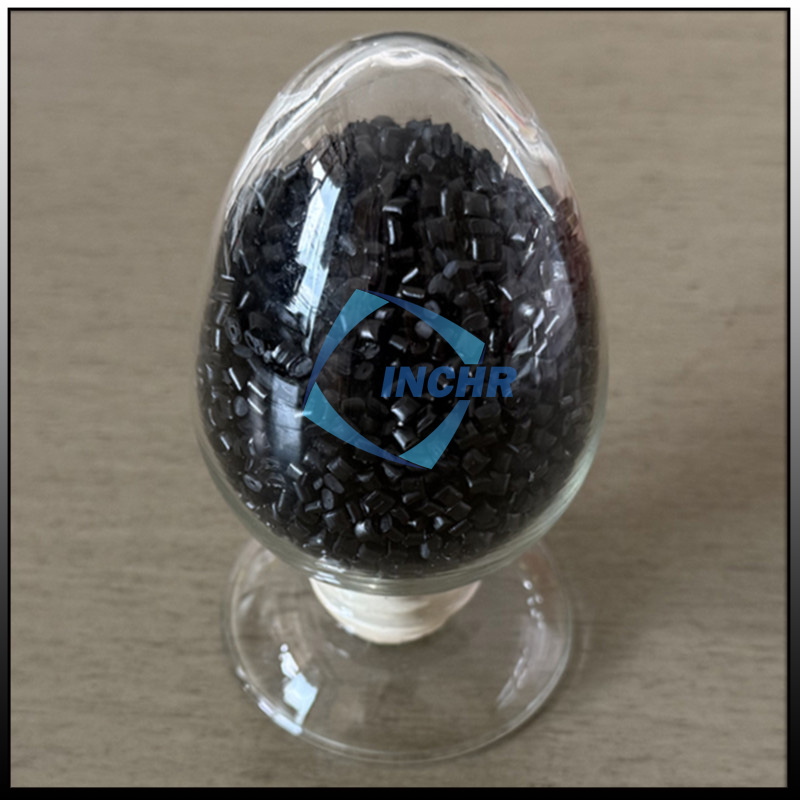
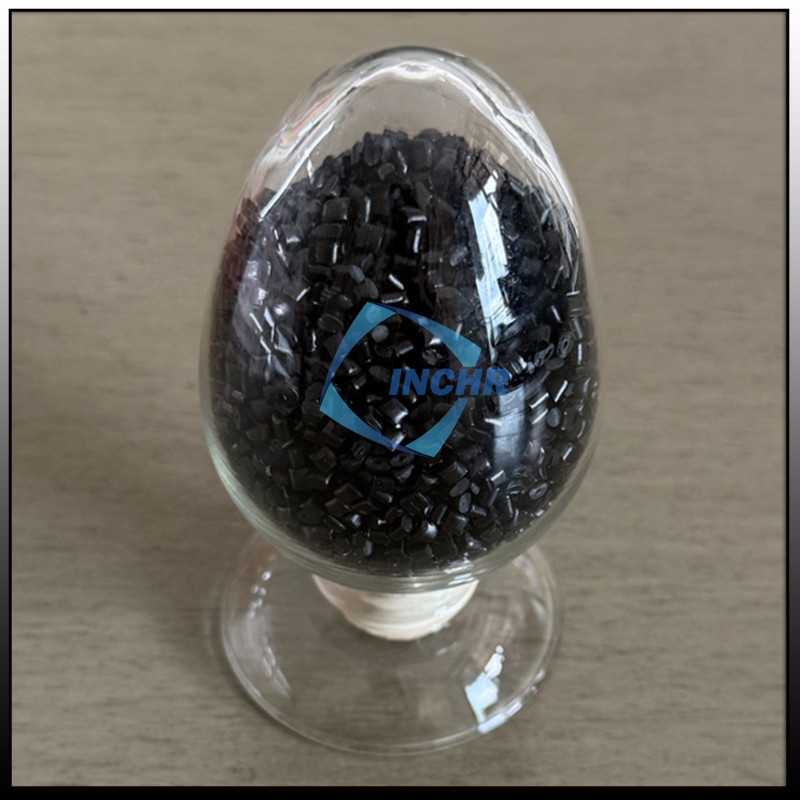
Antistatic masterbatch is a functional additive widely used in plastic manufacturing to reduce or eliminate static electricity on polymer surfaces. By incorporating antistatic agents into a carrier resin, this masterbatch ensures uniform dispersion, improved processing, and long-lasting performance.
What Is Antistatic Masterbatch?
Antistatic masterbatch is a concentrated mixture of antistatic agents dispersed in a polymer carrier such as PE, PP, or ABS. When added to plastic products during processing, it lowers surface resistivity and prevents static charge accumulation.
Static electricity can attract dust, cause product defects, and even create safety risks in sensitive environments. Antistatic masterbatch provides a reliable solution for these issues.
How Does It Work?
Antistatic agents function by migrating to the surface of the plastic and absorbing moisture from the air. This creates a thin conductive layer that dissipates static charges.
There are two main types:
Internal antistatic agents: Blended into the material and gradually migrate to the surface
External antistatic agents: Applied directly onto the plastic surface
Masterbatch technology primarily uses internal antistatic systems for long-term effectiveness.
Key Benefits
1. Improved Product Quality
Reduces dust attraction and contamination, ensuring cleaner surfaces.
2. Enhanced Safety
Minimizes the risk of electrostatic discharge (ESD), especially in electronics packaging.
3. Better Processing Efficiency
Prevents material sticking and improves handling during manufacturing.
4. Cost-Effective Solution
Requires low dosage while delivering consistent performance.
Applications
Antistatic masterbatch is widely used across industries:
Packaging Films: Prevents dust adhesion and improves transparency
Electronic Components: Protects sensitive devices from ESD
Automotive Parts: Reduces static buildup in interior components
Consumer Goods: Enhances appearance and usability

How to Choose the Right Antistatic Masterbatch
Selecting the right masterbatch depends on several factors:
1. Polymer Compatibility
Ensure the carrier resin matches your base material (e.g., PE with PE).
2. Application Requirements
Consider whether you need short-term or long-term antistatic performance.
3. Processing Conditions
High temperatures may affect the stability of certain antistatic agents.
4. Regulatory Compliance
Check for food-grade or RoHS compliance if required.
Best Practices for Use
Maintain proper dosage levels (typically 1%–5%)
Ensure uniform mixing during extrusion or injection molding
Store masterbatch in dry conditions to preserve performance
Explore our custom solutions: Custom Masterbatch Services.
Conclusion
Antistatic masterbatch is an essential solution for improving plastic product performance, safety, and appearance. By choosing the right formulation and applying it correctly, manufacturers can significantly reduce static-related issues and enhance product quality.