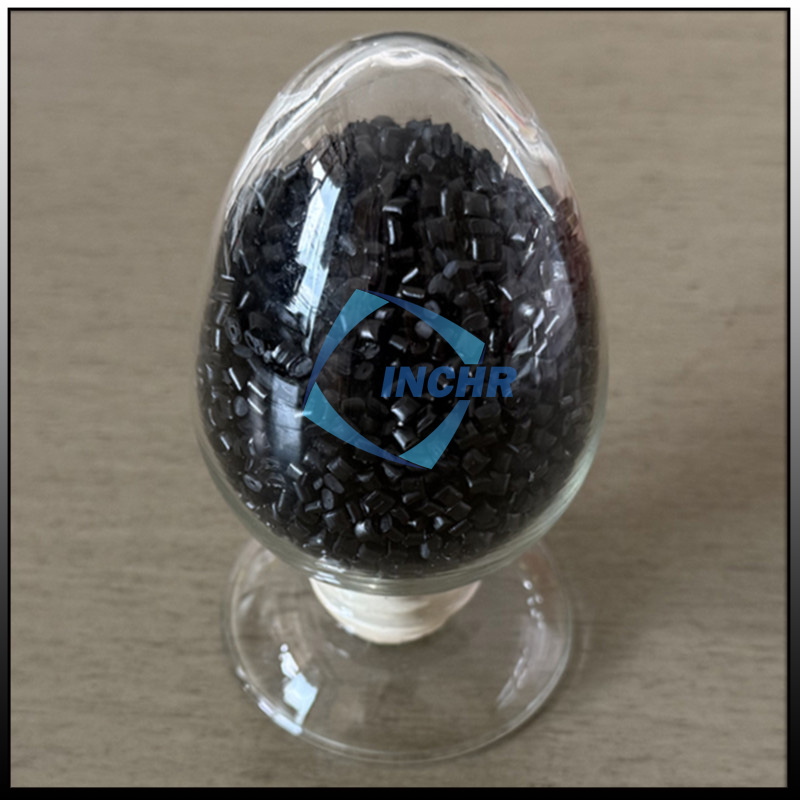
Carbon Fiber Reinforced Polycarbonate: A High-Performance Composite for Modern Industries
Carbon fiber reinforced polycarbonate (CF/PC) is an advanced thermoplastic composite that merges the toughness and transparency of polycarbonate with the stiffness and strength of carbon fibers. This combination yields a material that is lightweight, durable, and ideal for demanding applications in automotive, electronics, aerospace, and consumer goods.
What Is Carbon Fiber Reinforced Polycarbonate?
CF/PC consists of a polycarbonate matrix embedded with short or long carbon fibers. The fibers carry mechanical loads, while the polycarbonate provides impact resistance and processability. By adjusting fiber content (typically 10–40%) and orientation, manufacturers can tailor properties like stiffness, conductivity, and thermal stability.

For a deeper understanding of the base polymer, read our complete guide to polycarbonate materials.
Key Properties of CF/PC Composites
Adding carbon fibers dramatically enhances mechanical performance:
High Strength & Stiffness: Tensile strength and flexural modulus can increase 5–10 times compared to neat polycarbonate, making it suitable for load-bearing parts.
Lightweight: Density remains low (1.2–1.4 g/cm³), offering excellent strength-to-weight ratio.
Dimensional Stability: Low coefficient of thermal expansion (CTE) and improved creep resistance ensure parts maintain shape under stress and temperature changes.
Electrical Conductivity: Carbon fibers provide inherent conductivity, enabling electrostatic discharge (ESD) protection for electronic enclosures.
Heat Resistance: Heat deflection temperature (HDT) rises significantly, allowing use in hotter environments.
Processing and Manufacturing
Injection molding is the most common method for producing CF/PC parts, enabling complex geometries and high-volume production. Because carbon fibers are abrasive, tooling with wear-resistant coatings is recommended. Proper drying and process control are critical to avoid degradation and achieve consistent quality.
Applications Across Industries
Automotive: Instrument panels, seat frames, under-hood components, and lightweight brackets to reduce vehicle weight and improve fuel efficiency.
Consumer Electronics: Laptop cases, smartphone frames, drone bodies, and camera housings where rigidity and thin-wall molding are essential.
Aerospace: Interior panels and non-structural parts benefiting from high specific strength.
Industrial & Sports Equipment: Protective gear, tool handles, and bicycle components.
Advantages Over Metals and Traditional Composites
Compared to metals like aluminum or steel, CF/PC offers:
Weight reduction of up to 50%
Corrosion resistance
Design freedom with molded-in features
Versus thermoset composites, CF/PC is recyclable, has faster cycle times, and can be remelted, supporting sustainability goals.
Future Outlook
As electric vehicles and portable electronics demand lighter, stronger materials, CF/PC adoption is set to grow. Ongoing research focuses on improving fiber-matrix adhesion and incorporating hybrid reinforcements to further enhance performance.