In the high-stakes world of electronics manufacturing, even a microscopic electrostatic discharge (ESD) can render sensitive components useless. As devices become smaller and more powerful, the demand for reliable antistatic masterbatch solutions has never been greater.
What is Antistatic Masterbatch?
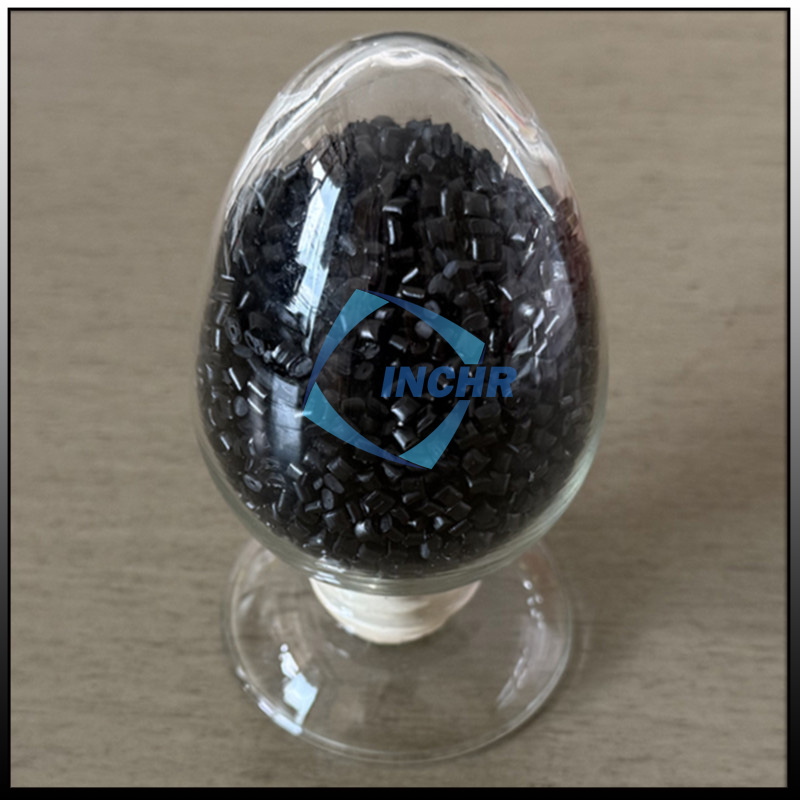
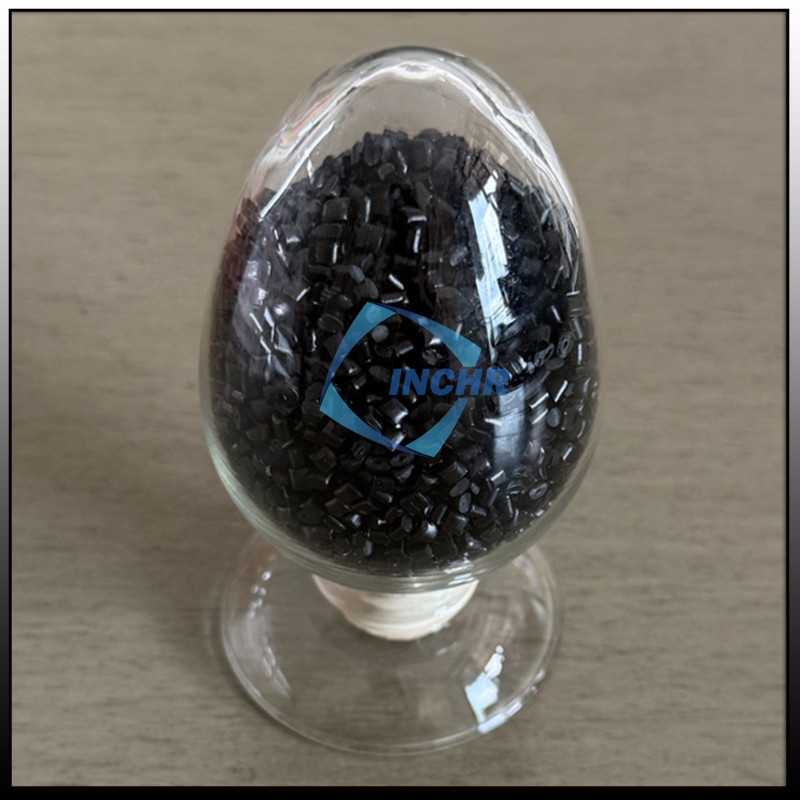
Antistatic masterbatch is a specialized additive compound used during plastic manufacturing. When incorporated into polymer carriers—such as polypropylene, ABS, or polyethylene—it imparts permanent or semi-permanent antistatic properties to the final product. Unlike topical sprays that wear off, masterbatch additives provide consistent protection throughout the product’s lifecycle.
For more on material selection, see our guide: Choosing the Right Polymer Carrier for ESD Protection.
Preventing Costly ESD Failures
Electrostatic discharge can occur when static electricity builds up on non-conductive surfaces like packaging trays, component reels, and IC shipping tubes. A sudden discharge of as little as 30 volts can destroy sensitive microchips, leading to:
Latent defects that fail quality control
Increased scrap rates
Customer returns and reputational damage
By integrating antistatic masterbatch into packaging materials, manufacturers ensure surface resistivity stays within the safe range of 10⁶10⁶to 10⁶109 ohms/sq, effectively grounding static charges before they can damage components.
Key Advantages for Electronics Manufacturers
1. Consistent ESD Control
Unlike humidity-dependent solutions, masterbatch additives offer stable performance across varying environmental conditions.
2. Cleanroom Compatibility
Antistatic masterbatch formulations can be designed to meet stringent outgassing and particulate standards required for semiconductor cleanrooms.
3. Enhanced Yield Rates
By minimizing ESD-related failures, manufacturers achieve higher first-pass yields, directly impacting profitability.
For a deeper look at optimizing cleanroom packaging, check out: [Internal Link: Best Practices for ESD-Safe Packaging in Semiconductor Fabs]
Industry Applications
Antistatic masterbatch is widely used in:
IC Trays and Reels: Protecting chips during transport and storage
ESD Flooring: Preventing static buildup in assembly areas
Electronic Enclosures: Reducing static attraction of dust and contaminants
Wrist Straps and Workstation Accessories: Ensuring worker and component safety
Selecting the Right Supplier
When sourcing antistatic masterbatch, manufacturers should prioritize suppliers with proven expertise in electronics-grade materials. Key factors include:
Consistency: Batch-to-batch uniformity in resistivity
Compliance: RoHS, REACH, and IPC standards
Customization: Ability to tailor additive concentrations for specific polymers
Conclusion
As the electronics industry continues its push toward miniaturization and higher component density, effective ESD control remains non-negotiable. Antistatic masterbatch offers a robust, cost-efficient solution that integrates seamlessly into existing manufacturing workflows. By investing in high-quality antistatic materials, electronics manufacturers can protect their components, enhance reliability, and maintain a competitive edge in a demanding market.