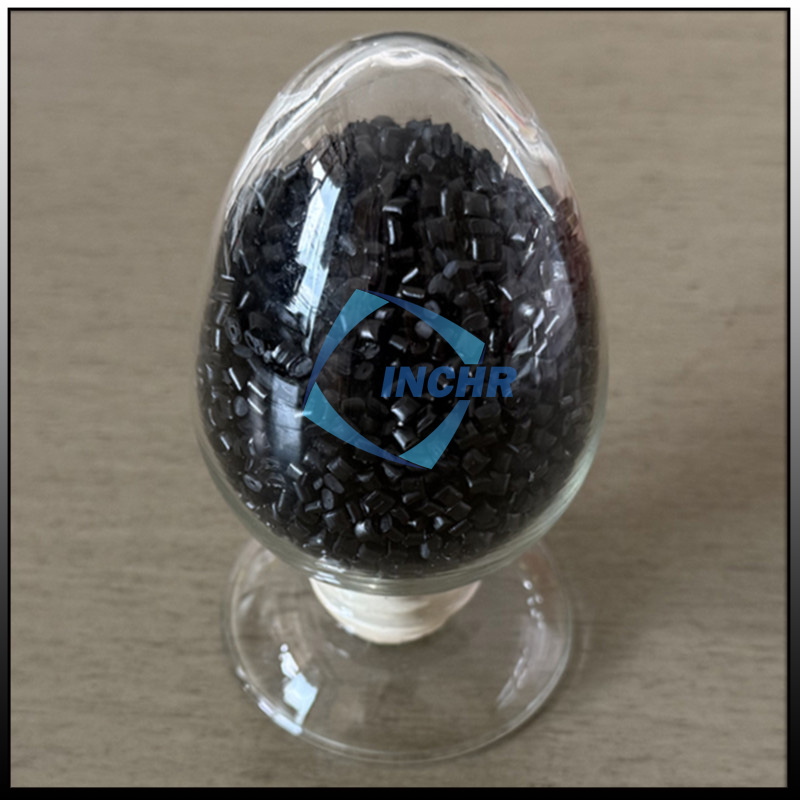
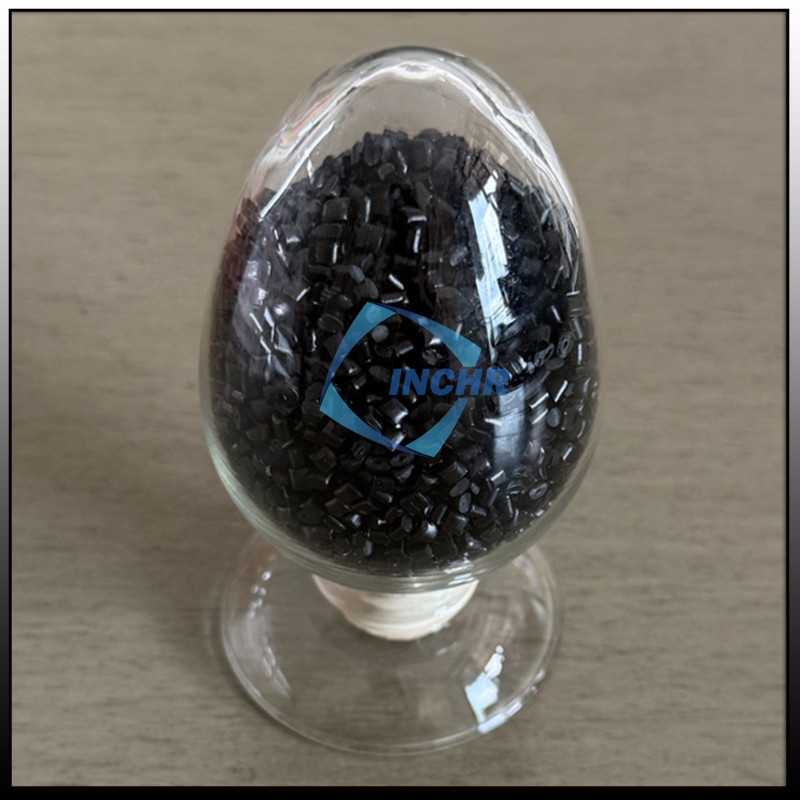
Static electricity is a persistent challenge in the plastics industry. It attracts dust, disrupts manufacturing processes, and can destroy sensitive electronic components. While temporary solutions exist, they often wear off or contaminate surfaces. This is where a high-quality antistatic additive for plastic becomes essential. Specifically, modern formulations offering permanent ESD protection provide a superior, long-term solution for manufacturers worldwide.browse our full range of permanent antistatic solutions.
Understanding the Need for Permanent ESD Protection
Traditional antistatic additives work by migrating to the surface of the plastic part. They attract moisture from the air, creating a conductive layer that dissipates static charge. However, this layer is temporary. It can be wiped away, washed off, or depleted over time. This makes them unreliable for critical applications.
Permanent antistatic additives function differently. They are internal agents that create an invisible, three-dimensional conductive network within the plastic itself. Because the additive is integrated into the polymer matrix, it does not need to migrate to the surface. This results in true permanent ESD protection that lasts the entire lifetime of the product.

Key Features of a High-Quality Additive
When selecting an antistatic additive for plastic, especially one designed for permanent ESD protection, several features are critical:
Migration-Free Technology: The additive remains inside the material. This prevents surface contamination, ensuring that painting, printing, or adhesive bonding processes are not compromised.
Humidity Independence: Unlike hygroscopic migratory agents, permanent additives often rely on electronic conductivity rather than ionic conductivity. This means their performance is consistent in both dry and humid environments.
Thermal Stability: These additives are engineered to withstand the high temperatures of injection molding and extrusion without degrading.
Broad Resin Compatibility: Effective solutions are available for a wide range of polymers, including Polypropylene (PP), Polyethylene (PE), Acrylonitrile Butadiene Styrene (ABS), and Polycarbonate (PC).
Applications Across Industries
The use of a permanent antistatic additive for plastic is transforming multiple sectors by enabling reliable ESD protection.
Electronics Industry: This is the largest market for permanent ESD protection. Additives are used in injection-molded trays, tote boxes, and carrier tapes for sensitive components like circuit boards and microchips. A single static discharge can destroy a component, making reliable protection mandatory. [internal link: view our case study on ESD-safe packaging for electronics]
Automotive Interiors: Plastic parts in car interiors, such as dashboards, door panels, and center consoles, are prone to dust attraction. By incorporating an antistatic additive, manufacturers ensure these surfaces remain clean and visually appealing for the life of the vehicle. It also reduces the risk of static shocks to passengers.
Medical Devices: In operating rooms and cleanrooms, ESD can be a serious hazard, potentially igniting flammable gases or interfering with sensitive equipment. Medical device housings and disposables benefit significantly from permanent, migration-free antistatic properties.
Industrial Packaging: Reusable containers, bulk bins, and intermediate bulk containers (IBCs) used for handling powders and flammable materials require consistent static control for safety and to prevent product cling.
Benefits for Manufacturers
Switching to a permanent antistatic additive for plastic offers clear business advantages:
Cost-Effectiveness: While the initial cost may be slightly higher than migratory agents, the long-term value is superior. There is no need for reapplication, and product failure rates due to ESD are dramatically reduced.
Consistency: Permanent ESD protection ensures that every part performs identically, from the moment it is molded to the end of its useful life.
Improved Aesthetics and Function: Because there is no surface bloom, parts maintain their intended finish and are ready for secondary operations immediately.
How to Choose the Right Additive
Selecting the correct permanent antistatic additive for plastic depends on your specific application. Key factors include the base polymer, the processing method (injection molding, extrusion, blow molding), and the target surface resistivity (usually between 10⁹ and 10¹¹ ohms per square for ESD protection). Consulting with a knowledgeable supplier is crucial to match the additive chemistry to your specific needs. contact our technical team for formulation assistance.
Conclusion
For manufacturers seeking reliable, long-term solutions to static electricity, a permanent antistatic additive for plastic is the clear choice. By providing consistent, migration-free ESD protection, these advanced materials enhance product performance, safety, and durability across a vast range of applications. Investing in permanent ESD protection is an investment in product quality and reliability.