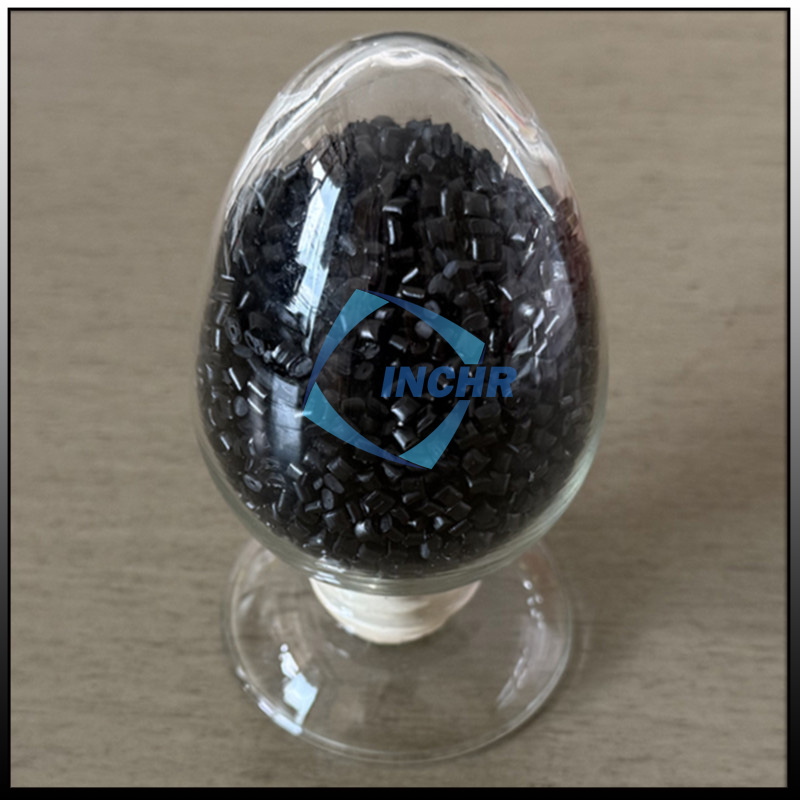
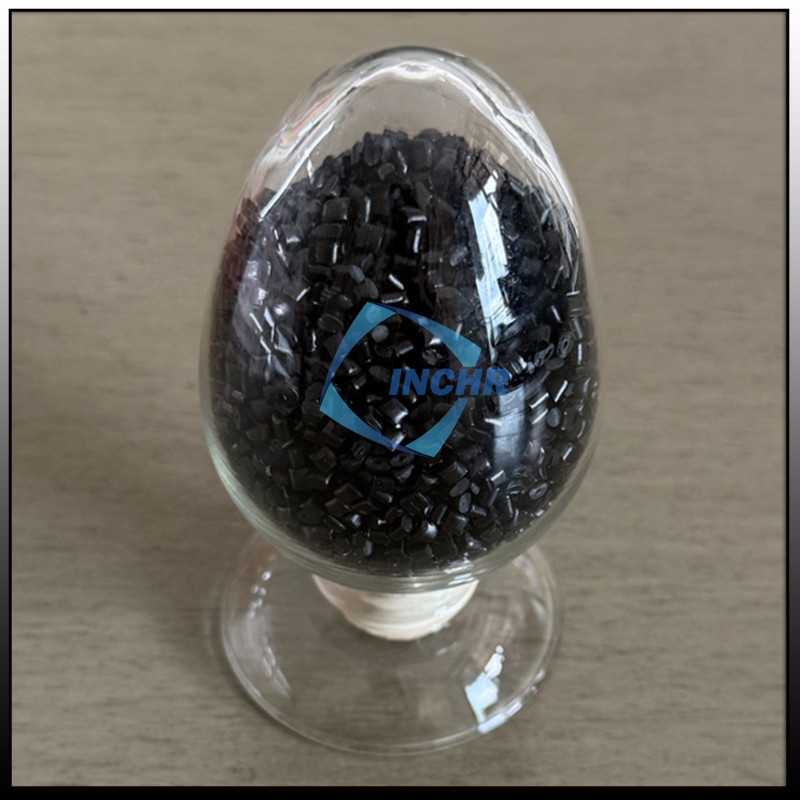
Every year, electrostatic discharge (ESD) causes billions in damage to sensitive electronic components. ESD plastics material provides the critical defense—engineered polymers that safely control static electricity throughout manufacturing, handling, and packaging operations .
Understanding ESD Plastics
ESD plastics are formulated to bridge the gap between insulating standard plastics and conductive metals. By achieving surface resistivity between 10⁴ and 10¹¹ ohms/square, these materials allow static charges to dissipate gradually rather than accumulating and discharging catastrophically .
Three primary mechanisms enable this behavior:
Conductive fillers: Carbon black, carbon fiber, or carbon nanotubes create microscopic pathways for electron flow
Chemical antistatic agents: Migrate to the surface, attracting moisture that forms a conductive layer
Inherently dissipative polymers: Molecular structure naturally provides controlled conductivity
Understanding these mechanisms helps when selecting materials for specific applications.
Key Material Grades and Applications
Different engineering plastics offer ESD properties for specific environments:
ESD-POM (Acetal) : TECAFORM AH SD natural provides dissipative properties without carbon contamination, making it ideal for cleanroom fixturing and semiconductor handling .
ESD-PEEK : TECAPEEK SD black combines 260°C continuous service temperature with ESD protection for high-heat applications like test sockets and burn-in fixtures .
ESD-PEEK CF30 : Carbon-fiber-reinforced grade adds structural strength for load-bearing ESD applications such as robotic end-effectors .
ESD-ABS and ESD-PC : Commonly used for 3D printing custom assembly tools, PCB racks, and prototype enclosures.
ESD-UHMW-PE : Excellent wear resistance makes it suitable for liners in material handling systems where static could ignite combustible dust .

Industries Relying on ESD Protection
Semiconductor and Electronics
The most demanding applications require consistent ESD performance. Wafer handling trays, test sockets, and pick-and-place nozzles from materials like Semitron™ ensure zero-damage processing .
Electronics Assembly
Workstations, shelving, and storage bins manufactured from ESD-safe polymers prevent charge buildup during manual assembly and inspection .
Aerospace and Defense
Mission-critical electronics demand ESD-Ultem 1010 for its combined heat resistance, chemical resistance, and flame retardancy alongside static control .
Automotive Electronics
Sensors, ECUs, and infotainment modules benefit from ESD-safe housings that protect throughout vehicle life .
Packaging and Transport
Corrugated ESD-PP sheets (10⁹-10¹¹ Ω) are fabricated into totes and boxes, while vacuum-formed trays with custom cavities secure individual components ESD Packaging Solutions.
Selecting the Right ESD Material
Consider these factors when specifying:
Resistivity requirements: Conductive materials (10⁴-10⁶ Ω) for direct grounding; dissipative (10⁶-10¹¹ Ω) for general handling .
Environmental exposure: Temperature, humidity, chemicals, and cleanroom compatibility affect long-term performance. Some antistatic additives depend on humidity, while carbon-filled grades maintain properties in dry conditions .
Mechanical demands: Load-bearing applications may require reinforced grades like PEEK CF30 or glass-filled options .
Processing method: Injection molding compounds, extruded sheet/rod stock, and filament for additive manufacturing are available across material families .
Standards Compliance
ESD materials must meet recognized specifications:
ANSI/ESD S541-2019: Packaging materials qualification
IEC 61340-5-3:2022: Protective packaging requirements
ANSI/ESD S20.20: ESD control program standard
Qualified laboratories perform resistivity testing per ASTM D257 and static decay measurements to verify compliance .
Conclusion
ESD plastics material enables modern electronics manufacturing by combining the design flexibility of polymers with engineered electrical properties. From semiconductor fabs to assembly lines, these specialized materials protect sensitive devices throughout their production journey.