Introduction: Material Performance Depends on Manufacturing Control
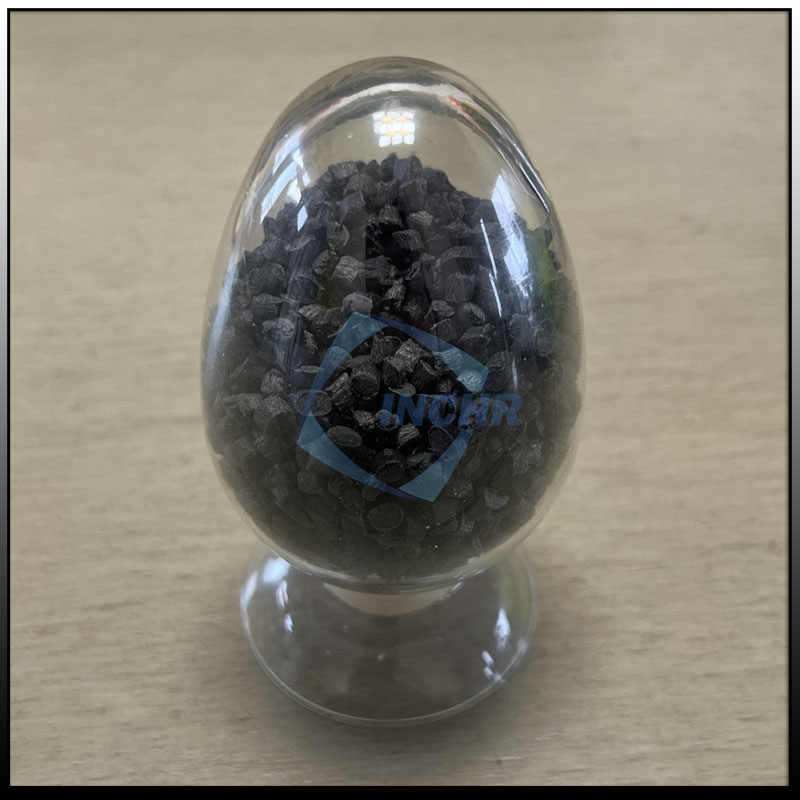
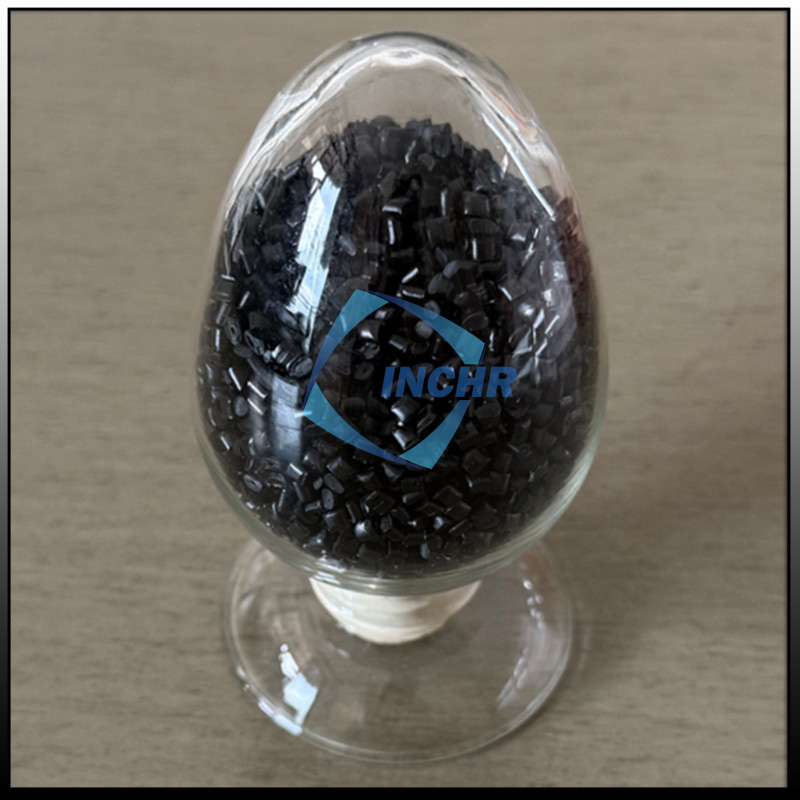
Carbon fiber reinforced ABS combines an ABS polymer matrix with carbon fiber reinforcement. It can offer increased stiffness, improved dimensional performance, and electrical functionality in appropriately formulated grades.
However, these benefits do not automatically translate into better finished parts. Injection-molded components can still experience warpage, uneven surfaces, inconsistent dimensions, or variations in electrical performance if material preparation and processing are not properly controlled.
For manufacturers, the challenge is to make the material perform consistently—not just produce one successful prototype. This guide explores the production factors that influence the quality of carbon fiber reinforced ABS components.
1. Start with the Right Material Grade
The first step is matching the compound to the component’s actual requirements. Carbon fiber content is important, but it should not be the only selection criterion.
| Selection factor | Why it matters |
|---|---|
| ABS matrix | Influences processing behavior and the properties of the base material |
| Carbon fiber content | Affects stiffness, strength, flow, and electrical behavior |
| Melt flow | Influences mold filling and thin-wall production |
| Electrical properties | Determines suitability for conductive or static-control applications |
| Surface appearance | Matters for visible housings and finished components |
A higher fiber content may improve stiffness, but it can also change impact behavior, flow characteristics, and surface appearance. The best grade is the one that meets the component’s requirements without unnecessary material costs or processing difficulties.
INCHR lists carbon fiber reinforced ABS compounds with injection and extrusion processing options. Its product information includes electrical resistance data for the specified material specimens.
2. Control Fiber Orientation Through Mold Design
Unlike unreinforced ABS, carbon fiber reinforced ABS contains fibers that can align with the direction of polymer flow during molding. This orientation can make mechanical properties different in different directions.
For example, a part may show good stiffness along the main flow direction but behave differently across the flow direction.
Several mold-design details deserve attention:
- Gate position: Influences the direction and pattern of melt flow.
- Wall thickness: Sudden changes can create uneven filling and cooling.
- Ribs and bosses: Should support the required stiffness without creating unnecessary thick sections.
- Weld lines: Areas where separate melt fronts meet may require additional strength evaluation.
- Part geometry: Long flow paths and complex shapes can influence fiber distribution.
These factors are particularly important for brackets, equipment housings, and precision components with defined load-bearing areas.
3. Prevent Common Molding Quality Problems
Production defects are not always caused by poor raw materials. They can also result from inappropriate drying, unstable feeding, incorrect temperature settings, or unsuitable injection conditions.
| Potential problem | Possible contributing factors | Recommended control |
|---|---|---|
| Warpage | Uneven cooling and directional shrinkage | Review gate position, cooling layout, and part geometry |
| Surface defects | Moisture, material contamination, or poor processing conditions | Follow material drying and handling recommendations |
| Short shots | Insufficient filling or unsuitable melt flow conditions | Review injection speed, pressure, and mold venting |
| Dimensional variation | Unstable molding conditions and fiber orientation | Monitor process parameters and inspect critical dimensions |
| Fiber-related surface marks | Fiber distribution and flow behavior | Optimize material grade and molding conditions |
Drying conditions should follow the compound supplier’s technical recommendations. Do not assume that every carbon fiber reinforced ABS grade requires identical drying temperatures or times.
A controlled trial should change one important processing variable at a time. This makes it easier to identify the source of defects and establish a repeatable production window.
4. Verify Dimensional Stability After Molding
Dimensional accuracy is essential for components that connect with other parts, support electronic assemblies, or require precise mounting positions.
Carbon fiber reinforcement can change the shrinkage behavior of ABS. However, the actual result depends on fiber content, orientation, mold design, cooling, and processing conditions.
A useful validation plan includes:
- Measuring critical dimensions immediately after molding.
- Rechecking dimensions after a defined conditioning period.
- Comparing results across multiple molding cycles.
- Inspecting areas around ribs, bosses, holes, and mounting features.
- Evaluating the assembled component under realistic operating conditions.
For standardized shrinkage evaluation, manufacturers can refer to ASTM D955.
Standard specimen testing is useful for material comparison, but it cannot fully predict the dimensional behavior of every complex finished part. Actual component validation remains necessary.
5. Check Electrical Performance When Static Control Is Required
Carbon fiber can create conductive pathways within a polymer matrix. This makes selected carbon fiber reinforced ABS formulations suitable for applications requiring conductive or static-dissipative behavior.
Nevertheless, carbon fiber content alone does not guarantee a specific electrical performance level.
Manufacturers should verify:
- Surface resistance or resistivity.
- Volume resistance or resistivity.
- Consistency between different production batches.
- Electrical performance on representative finished components.
- Compliance with the requirements of the intended ESD application.
For example, INCHR’s listed carbon fiber reinforced ABS product information specifies volume resistivity below (1 \times 10^5) ohm·cm and surface resistance below (1 \times 10^6) ohm/sq on specimens. These figures apply to the specified product information and should not be generalized to every CF-ABS formulation.
Learn more about ESD plastics and static-control material selection.
6. Establish a Repeatable Production Qualification Process
Before mass production, manufacturers should evaluate the material using representative parts and actual production equipment.
| Qualification stage | Key objective |
|---|---|
| Material review | Confirm grade, resin compatibility, and technical data |
| Trial molding | Establish suitable processing conditions |
| Dimensional inspection | Verify critical tolerances and repeatability |
| Mechanical testing | Check strength, stiffness, and impact requirements |
| Electrical testing | Confirm resistance requirements when applicable |
| Batch verification | Identify variation between production runs |
A reliable supplier should be able to provide material information, processing recommendations, and appropriate test data to support this process.
Working with INCHR on Carbon Fiber Reinforced ABS
Established in Dongguan, China, in 2012, INCHR specializes in ESD plastics and modified polymer materials. Its portfolio includes carbon fiber reinforced compounds, conductive compounds, antistatic compounds, permanent antistatic additives, and ESD masterbatches.
With an R&D team supported by East China University of Science and Technology, twin-screw granulation equipment, and professional ESD testing facilities, INCHR supports material development and evaluation for different industrial requirements.
When requesting a carbon fiber reinforced ABS solution, provide the component drawing, base resin requirements, target fiber content, molding process, mechanical specifications, and electrical requirements. This information helps determine whether a listed grade is suitable or further evaluation is needed.
Frequently Asked Questions
1. What is carbon fiber reinforced ABS?
It is a thermoplastic composite made by incorporating carbon fibers into an ABS resin matrix. The reinforcement can improve stiffness and selected mechanical or electrical properties.
2. Can carbon fiber reinforced ABS be injection molded?
Yes. Suitable grades are designed for injection molding. Mold design, material preparation, fiber orientation, and processing conditions all influence the finished component.
3. Does carbon fiber reinforced ABS reduce warpage?
It can improve dimensional stability in suitable designs, but it does not eliminate warpage. Fiber orientation, cooling conditions, geometry, and molding parameters must still be controlled.
4. Is carbon fiber reinforced ABS electrically conductive?
Some formulations provide conductive or static-dissipative properties. Actual performance depends on the formulation and should be confirmed through electrical testing.
5. Does higher carbon fiber content always improve the material?
No. Higher fiber content may increase stiffness but can also affect impact performance, melt flow, surface finish, and processing behavior. Select the grade according to the finished part’s requirements.
6. What industries use carbon fiber reinforced ABS?
Potential applications include electronic equipment housings, industrial fixtures, mechanical components, automotive parts, and other molded products requiring a combination of stiffness and processing flexibility.
7. What should be tested before mass production?
Manufacturers should evaluate dimensions, mechanical properties, surface quality, processing consistency, and electrical performance when required. Testing should use representative parts and realistic production conditions.
The quality of carbon fiber reinforced ABS components depends on the relationship between material formulation, mold design, and processing control. By validating these factors before mass production, manufacturers can improve dimensional consistency, reduce defects, and achieve more dependable finished products.