Static electricity is a common challenge in plastic products, affecting quality, safety, and performance. To address this issue, manufacturers widely use antistatic masterbatch. However, choosing between permanent and migratory antistatic solutions is critical for achieving the desired surface resistivity and long-term stability.
This guide explains the key differences, working principles, and best-use scenarios for both types.
What Is Antistatic Masterbatch?
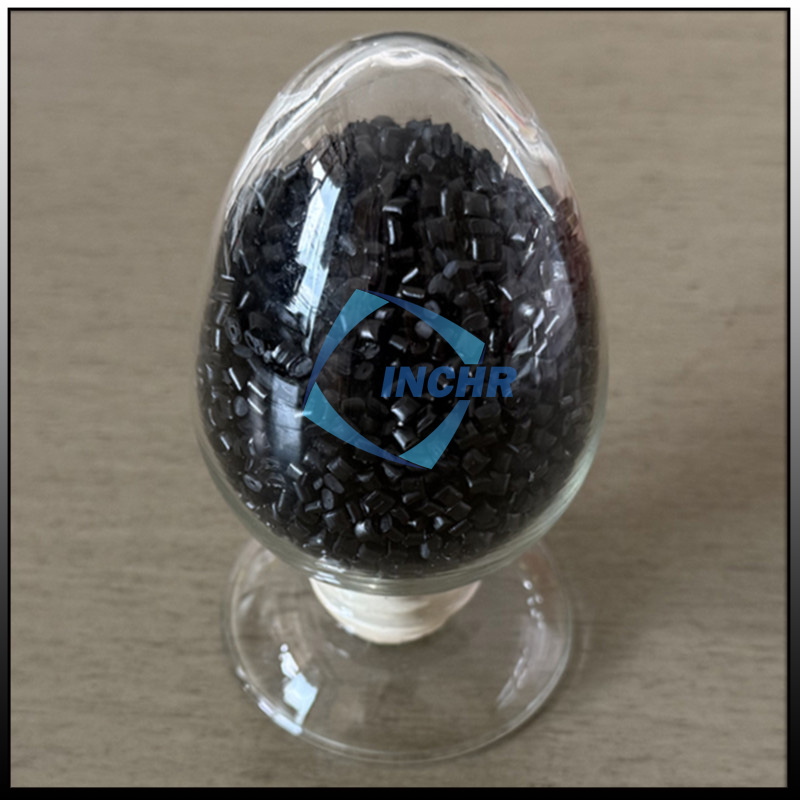
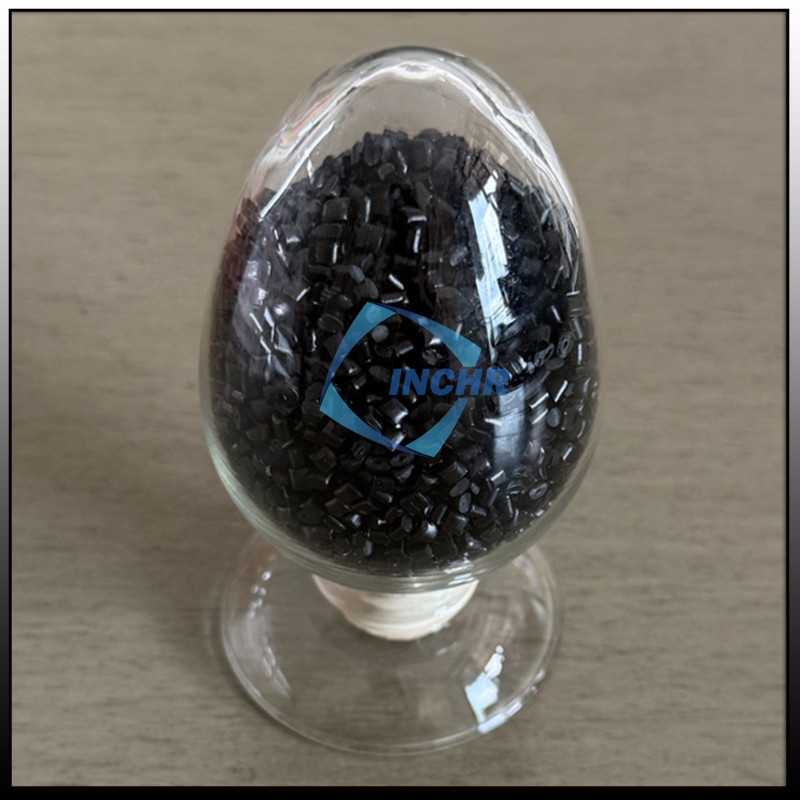
Antistatic masterbatch is an additive concentrate incorporated into plastic resins to reduce surface resistivity and prevent static charge buildup. It is commonly used in materials like PE, PP, ABS, and engineering plastics.
What Is Antistatic Masterbatch? Benefits and Applications
What Is Migratory Antistatic Masterbatch?
Migratory antistatic masterbatch contains surfactant-based additives that gradually migrate to the surface of the plastic after processing.
How It Works
- The additive moves to the surface over time
- It absorbs moisture from the air
- A thin conductive layer forms, allowing static charges to dissipate
Key Characteristics
- Cost-effective solution
- Easy to process
- Performance depends on humidity
- May diminish over time due to wear or washing
What Is Permanent Antistatic Masterbatch?
Permanent antistatic masterbatch uses conductive or inherently dissipative materials that form a stable internal network within the polymer.
How It Works
- Creates a conductive pathway throughout the material
- Does not rely on surface migration or environmental moisture
- Provides consistent resistivity over time
Key Characteristics
- Long-lasting performance
- Independent of humidity
- Higher cost compared to migratory types
- Ideal for demanding applications
Key Differences Between Permanent and Migratory Types
| Feature | Migratory Antistatic | Permanent Antistatic |
|---|---|---|
| Mechanism | Surface migration | Internal conductive network |
| Durability | Temporary | Long-term |
| Humidity Dependence | High | Low |
| Cost | Lower | Higher |
| Processing Complexity | Simple | Moderate |
| Application Environment | General use | Critical/controlled use |
Performance Comparison
1. Stability Over Time
Migratory additives may lose effectiveness due to abrasion, cleaning, or environmental exposure. In contrast, permanent solutions maintain stable performance throughout the product lifecycle.
2. Environmental Sensitivity
Migratory antistatic agents rely heavily on ambient humidity. In dry environments, their effectiveness can drop significantly. Permanent masterbatch performs consistently regardless of environmental conditions.
3. Surface vs Bulk Properties
Migratory solutions mainly affect the surface, while permanent antistatic masterbatch provides bulk conductivity, ensuring deeper and more reliable static dissipation.
Application Scenarios
Migratory Antistatic Masterbatch Is Suitable For:
- Packaging films and disposable products
- Consumer goods with short life cycles
- Cost-sensitive applications
Permanent Antistatic Masterbatch Is Ideal For:
- Electronic component housings
- Automotive and industrial parts
- Cleanroom and ESD-sensitive environments
- Long-life engineering plastic products

How to Choose the Right Solution
When selecting between permanent and migratory antistatic masterbatch, consider the following:
- End-use environment: Humidity, temperature, and exposure
- Product lifespan: Short-term vs long-term usage
- Performance requirements: ESD protection level needed
- Budget constraints: Cost vs durability trade-off
A hybrid approach is sometimes used, combining both technologies to balance performance and cost.
Best Practices for Implementation
- Optimize dosage based on target surface resistivity
- Ensure uniform dispersion during processing
- Test resistivity under actual environmental conditions
- Work with experienced suppliers for formulation customization
Conclusion
Understanding the differences between permanent and migratory antistatic masterbatch is essential for selecting the right solution. While migratory additives offer a cost-effective option for general applications, permanent antistatic masterbatch delivers superior stability and long-term performance in demanding environments.
By aligning material selection with application requirements, manufacturers can achieve reliable static control, improved product quality, and enhanced safety across various industries.