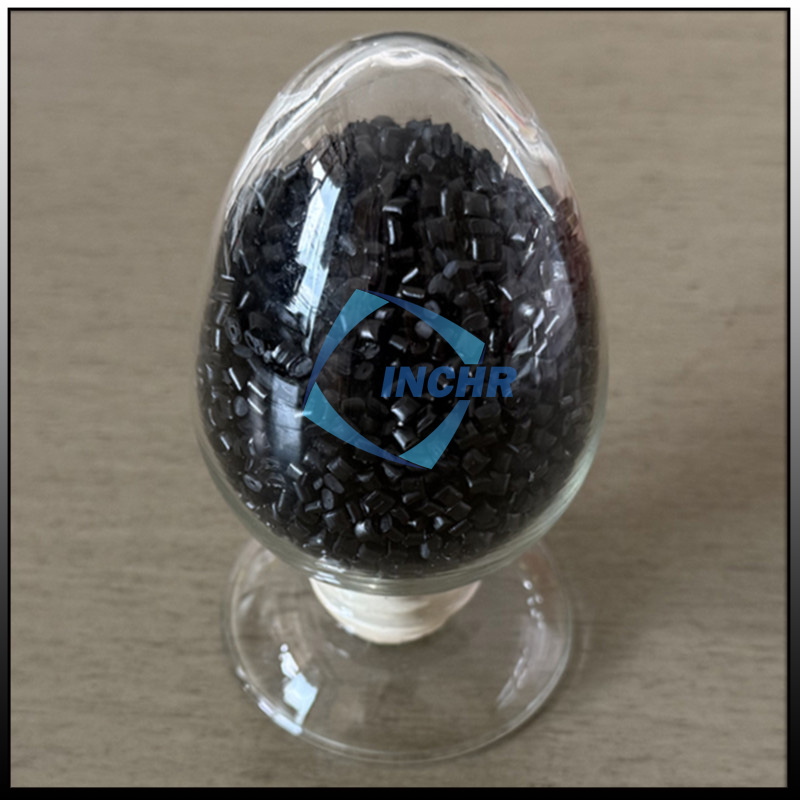
In large-scale plastic manufacturing, controlling production costs while maintaining consistent product quality is a major challenge. Static electricity issues such as dust attraction, product defects, and electrostatic discharge (ESD) can significantly impact efficiency and profitability. A cost-effective antistatic masterbatch provides a practical solution by combining reliable performance with scalable economics.
Why Antistatic Control Matters in Mass Production
During high-volume plastic processing, static buildup can lead to:
- Dust contamination on product surfaces
- Sticking and handling difficulties in production lines
- Safety risks in electronic or flammable environments
- Reduced product appearance quality
Without proper static control, these issues can increase scrap rates and operational costs.
Importance of Antistatic Masterbatch in Plastic Manufacturing
What Makes Antistatic Masterbatch Cost-Effective?
A cost-effective solution is not just about lower price—it is about total production efficiency.
Key factors include:
1. Low Dosage Requirement
Modern formulations require only a small percentage addition, reducing material consumption.
2. High Processing Compatibility
Works seamlessly with PE, PP, ABS, and other common polymers without modifying existing production lines.
3. Reduced Defect Rates
Improves product yield by minimizing static-related issues such as dust adhesion and surface defects.
4. Stable Performance
Maintains consistent antistatic effect throughout production cycles.
How Antistatic Masterbatch Works in Production
Antistatic masterbatch is blended directly into raw plastic resins during processing methods such as injection molding, extrusion, or film blowing.
It functions by:
- Reducing surface resistivity
- Allowing controlled charge dissipation
- Preventing static accumulation during processing and handling
Types Used in Large-Scale Manufacturing
Migratory Antistatic Masterbatch
- Cost-efficient and widely used
- Suitable for short-term or general applications
- Performance depends on humidity
Permanent Antistatic Masterbatch
- Higher initial cost but long-lasting performance
- Ideal for high-value or sensitive applications
- Stable in dry and harsh environments
Applications in Industrial Production
Cost-effective antistatic masterbatch is widely used in:
- Plastic packaging film production
- Injection-molded household products
- Industrial storage containers and trays
- Automotive interior components
- Electronic device housings
These industries rely on stable static control to ensure consistent quality at scale.

Benefits for Large-Scale Manufacturers
1. Lower Overall Production Cost
Reduced waste and improved efficiency lower per-unit manufacturing cost.
2. Improved Production Stability
Minimizes downtime caused by static-related issues.
3. Scalable Performance
Suitable for continuous 24/7 industrial production environments.
4. Better Product Consistency
Ensures uniform surface quality across large batches.
Best Practices for Cost Optimization
To maximize cost-effectiveness:
- Use optimized dosage based on product requirements
- Ensure proper dispersion during mixing
- Select the right type (migratory vs permanent)
- Test performance under real production conditions
Working with a reliable supplier also helps reduce long-term operational risks.
Conclusion
A cost-effective antistatic masterbatch is essential for large-scale plastic production, offering a balance between performance and manufacturing efficiency. By reducing defects, improving process stability, and maintaining consistent static control, it helps manufacturers achieve higher productivity at lower overall cost.
For industrial producers aiming to scale efficiently, selecting the right antistatic solution is a strategic investment in long-term competitiveness.