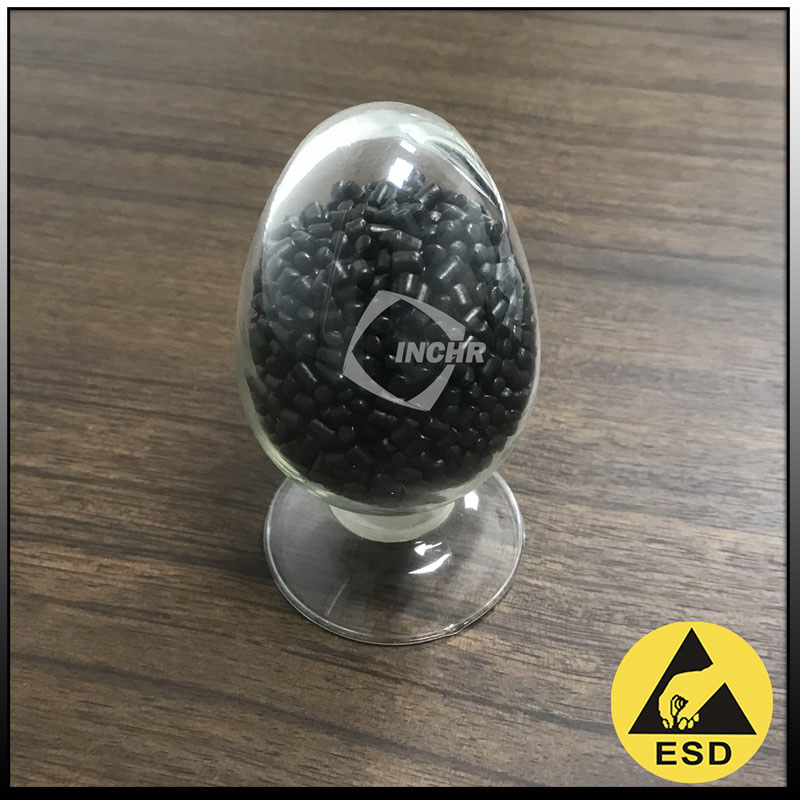
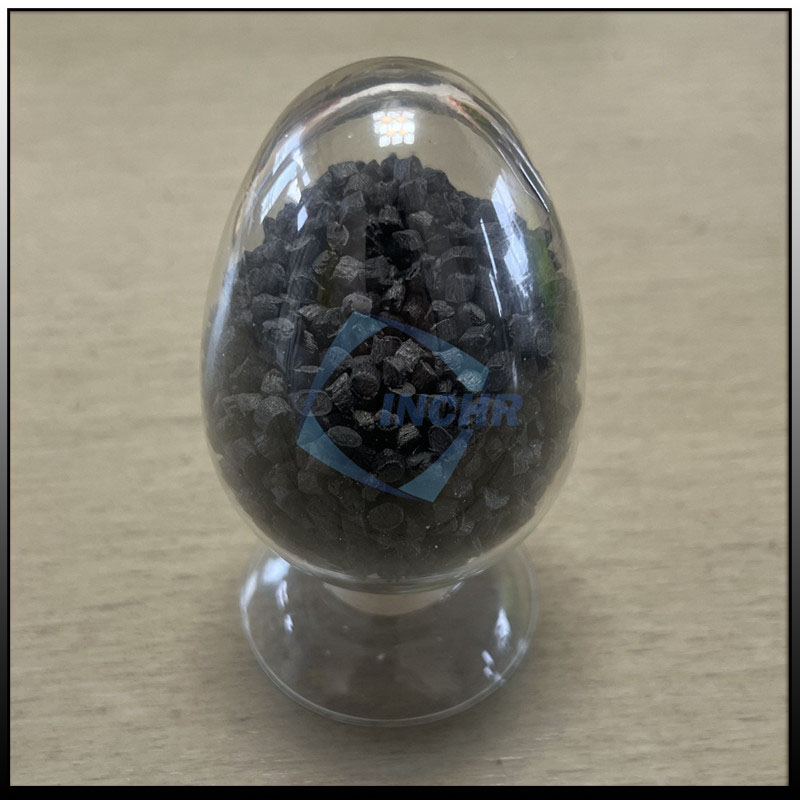
In the world of high-performance plastics, Polyetheretherketone (PEEK) stands as a pinnacle material. Its exceptional properties demand an equally advanced manufacturing process. This is where specialized PEEK injection molding services become critical, transforming this high-temperature polymer into precise, reliable, and complex components for the most challenging industries.
Why PEEK? The Material at a Glance
PEEK is a premium, semi-crystalline thermoplastic renowned for its outstanding combination of properties. It retains formidable mechanical strength at temperatures exceeding 480°F (250°C), exhibits superb chemical resistance, inherent flame retardancy, and excellent wear and fatigue resistance. Furthermore, it is biocompatible, making it suitable for medical applications. These characteristics make it the material of choice when metals or other plastics fall short.
The Critical Role of Expert PEEK Injection Molding
Molding PEEK is not a task for conventional injection molding setups. Its high melting point (around 343°C / 650°F) and demanding processing requirements necessitate:
Specialized Equipment: Machines with precise, high-temperature barrels and screw designs, advanced thermal controls, and often all-electric drives for accuracy.
Expert Process Knowledge: Understanding drying requirements (PEEK is highly hygroscopic), optimal melt temperatures, injection speeds, and controlled cooling cycles to achieve the correct crystallinity and prevent defects.
High-Temperature Tooling: Molds must withstand continuous thermal cycling and high pressures, often utilizing premium steels and sophisticated cooling channels.
Industries and Applications Served
Precision PEEK components are integral to technological advancement across sectors:
Aerospace & Aviation: [Image placeholder: PEEK aircraft cable insulation parts]. Used in wire insulation, seals, bushings, and ducting for its lightweight, flame-smoke-toxicity (FST) compliance, and performance in extreme environments. PEEK Plastic Injection Molding Services.
Medical & Life Sciences:Essential for surgical instruments, dental healing abutments, and orthopedic trial implants due to its biocompatibility (ISO 10993, USP Class VI) and sterilizability (autoclave, gamma, EtO). authoritative source on PEEK biocompatibility.
Semiconductor Manufacturing: Components for wafer carriers (boats), seals, and clamp rings that must resist high heat and aggressive plasma chemistries.
Oil & Gas: Downhole exploration parts, seals, and back-up rings that perform in high-pressure, high-temperature (HPHT) conditions and corrosive media.
Industrial & Automotive: Gears, bearings, and piston parts that reduce weight, noise, and the need for lubrication in demanding under-hood or machinery applications.
Choosing the Right PEEK Molding Partner
When seeking high-temperature plastic injection molding services, consider a partner that demonstrates:
Proven PEEK Expertise: Request specific case studies or examples of complex PEEK parts they have successfully produced.
End-to-End Capabilities: From material selection and DFM (Design for Manufacturability) analysis to precision molding, secondary operations (like machining), and rigorous QA inspection.
Commitment to Quality: Certifications like ISO 13485 for medical or AS9100 for aerospace are strong indicators of a controlled, quality-focused process. (Internal link suggestion: “View our quality certifications page”)
Technical Collaboration: The best partners act as engineering allies, helping optimize part design for performance and manufacturability from the outset.

Conclusion
Leveraging the full potential of PEEK requires more than just the material—it requires precision, expertise, and dedicated technology. Partnering with a PEEK injection molding service that masters the intricacies of this polymer is the key to unlocking durable, high-performance components that push the boundaries of innovation in critical applications.