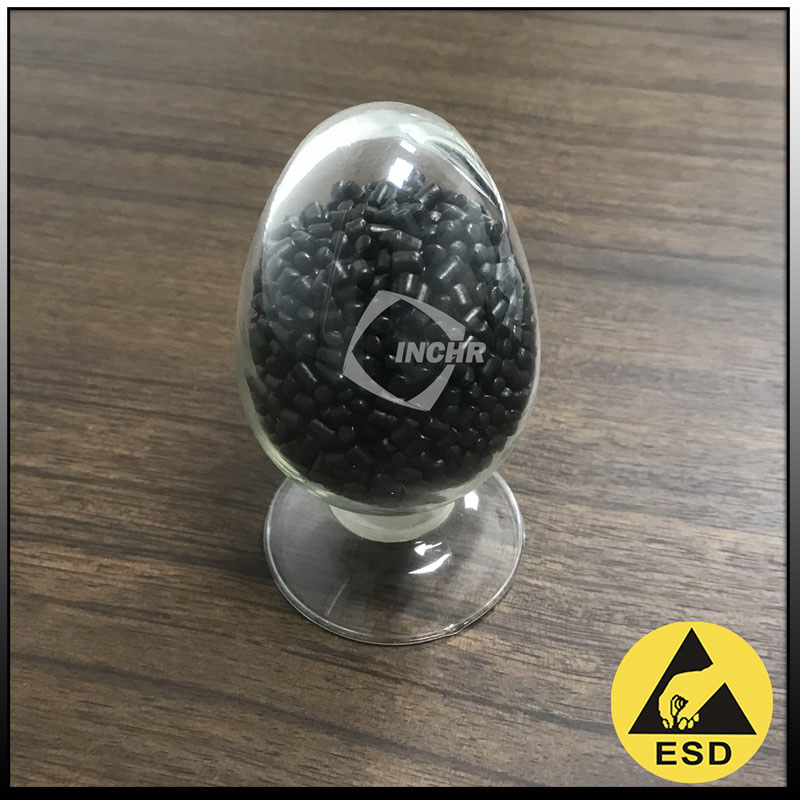
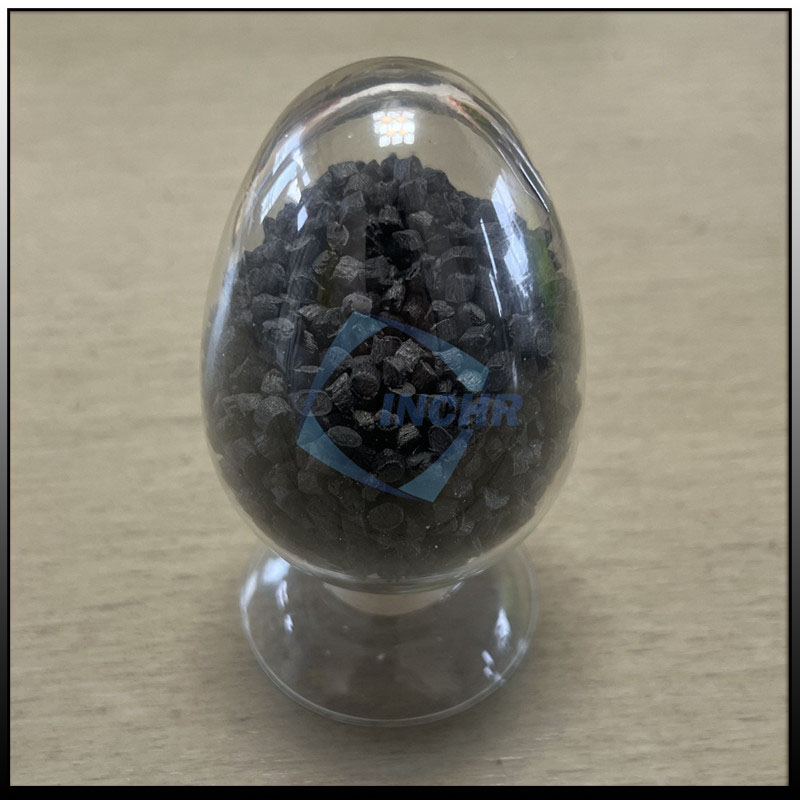
In the demanding world of high-performance engineering, the choice of material often dictates the limits of innovation. While many plastics falter under extreme conditions, injection molded PEEK (Polyetheretherketone) parts and components have emerged as a critical solution, pushing the boundaries of what is possible in manufacturing. This advanced thermoplastic, shaped through precision molding, is not just another material—it is the enabling engine for next-generation applications across aerospace, medical, automotive, and semiconductor sectors.
Why PEEK? The Superlative Properties
PEEK is a semi-crystalline, high-performance polymer belonging to the PAEK (polyaryletherketone) family. Its molecular structure grants it an exceptional portfolio of properties, making it a superior alternative to metals and standard plastics in countless scenarios. Key characteristics include:
Extreme Temperature Resistance: PEEK maintains its structural integrity continuously up to 480°F (250°C), with short-term tolerance even higher.
Exceptional Mechanical Strength: It offers outstanding tensile and flexural strength, along with remarkable fatigue resistance, even in harsh environments.
Inherent Chemical Resistance: PEEK is highly resistant to a broad spectrum of chemicals, including acids, bases, hydrocarbons, and steam.
Biocompatibility: Certified grades of PEEK are biocompatible (ISO 10993, USP Class VI), making them suitable for long-term implantable devices and surgical tools.
The Power of Injection Molding for PEEK
While PEEK can be machined from stock shapes, injection molding is the transformative process that unlocks its true potential for high-volume, complex part production. This method involves melting PEEK pellets at high temperatures (typically above 700°F/370°C) and injecting the viscous melt into a precision steel mold under intense pressure.
The advantages of molding PEEK are profound:
Design Freedom: Create highly complex, net-shape geometries with integrated features, thin walls, and tight tolerances that are impossible or too costly to machine.
Cost-Effectiveness at Scale: Once the mold is crafted, per-part cost plummets, enabling the economical production of thousands of identical, high-performance components.
Material & Performance Consistency: The process yields parts with excellent dimensional stability and repeatable mechanical properties, critical for safety-focused industries.
Reduced Waste: Compared to subtractive machining, injection molding generates minimal material scrap, aligning with sustainable manufacturing goals.

Critical Applications Across Industries
1. Aerospace & Aviation
In an industry where every gram counts and reliability is non-negotiable, molded PEEK components are indispensable. They replace metal to achieve drastic weight savings in cable insulation, aircraft interior components, ducting, brackets, and seals. Their resistance to aviation fluids and flame-smoke-toxicity (FST) compliance make them the material of choice for critical systems.
2. Medical & Life Sciences
The medical field leverages PEEK’s biocompatibility and sterilization resistance (via autoclave, gamma, or EtO methods). Applications range from surgical instrument components and dental healing abutments to trauma devices and minimally invasive surgery tools. For an in-depth look at PEEK’s material, see our article on PEEK Plastic Injection Molding Services.
3. Automotive & Electric Vehicles (EVs)
The automotive shift towards electrification is fueled by materials like PEEK. It is used in demanding under-the-hood applications, sensor housings, and, most significantly, within EV battery packs—as insulating cell frames, connector housings, and thermal management components that must endure high voltages and thermal cycling.
4. Semiconductor & Industrial
In semiconductor fabrication and harsh industrial environments, PEEK components ensure purity and durability. They are used in wafer carriers, fluid handling parts, pump gears, and seals that withstand aggressive chemicals and ultra-high-purity requirements.
Partnering with the Right Molder: Key Considerations
Producing high-quality injection molded PEEK parts requires specialized expertise. When sourcing components, consider a molder with:
Material Expertise: Deep knowledge of PEEK’s processing nuances, including drying, melt temperature, and crystallinity control.
Advanced Equipment: Machines with precise temperature control and injection units capable of handling PEEK’s high processing temps.
Mold Design & Engineering Skill: Experience in designing molds for high-performance polymers to prevent issues like jetting or premature crystallization.
Secondary Operations & Validation: Capabilities for post-molding machining, quality inspection, and traceability, often required in regulated industries like medical and aerospace. For comprehensive material data, designers often refer to authoritative sources like the Victrex PEEK property guide.
Injection molded PEEK parts are more than just components; they are the linchpins of innovation in the world’s most advanced technologies. By combining unparalleled material properties with the efficiency of precision molding, they solve engineering challenges that few other materials can address. Whether you are designing a lighter aircraft, a safer medical implant, or a more efficient electric vehicle, PEEK components provide the reliable, high-performance foundation necessary for success.
Ready to integrate PEEK solutions into your next design? Contact our engineering team today for a design review and prototype quote.