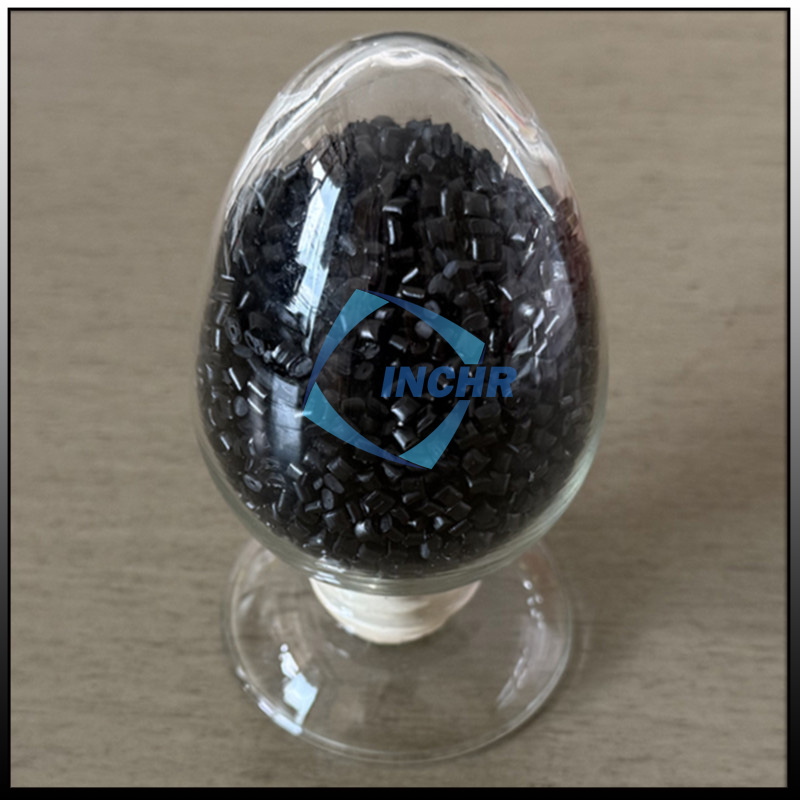
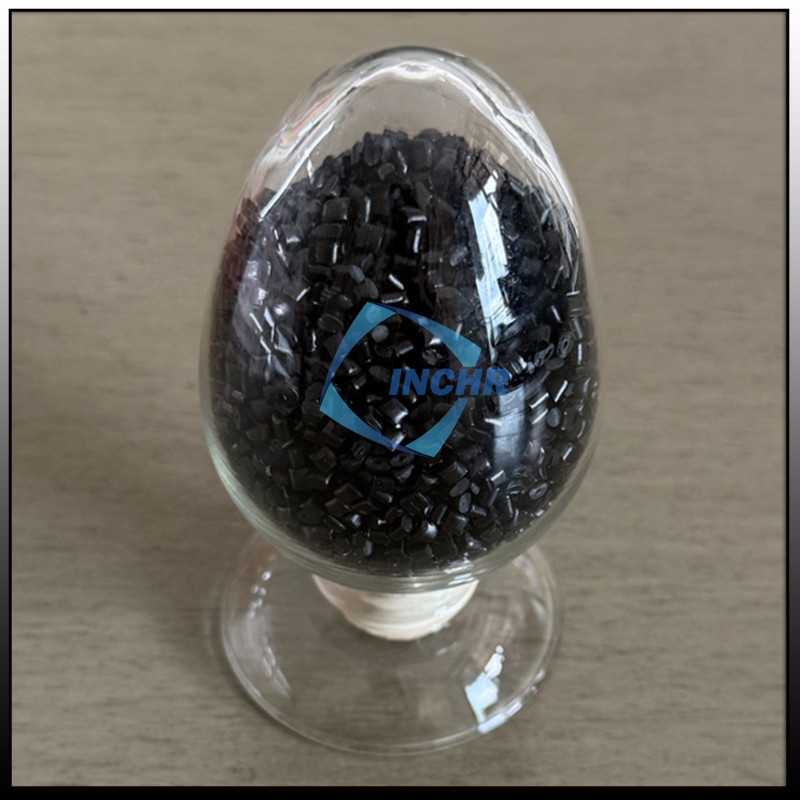
Polyetheretherketone (PEEK) is a high-performance thermoplastic renowned for its exceptional mechanical properties, chemical resistance, and ability to withstand high temperatures. Choosing the right manufacturing process—injection molded peek or machining—is critical for project success.
Understanding the Core Processes
Injection Molding involves melting PEEK pellets and injecting the polymer into a precision mold under high pressure. Once cooled and solidified, the part is ejected. This process is ideal for high-volume production of complex geometries.
Machined PEEK starts with a solid block, rod, or sheet of semi-finished PEEK stock. Material is then removed using CNC milling, turning, or drilling to achieve the final shape. This is a subtractive manufacturing method best for prototypes, low volumes, or parts with extremely tight tolerances.
Key Comparison Factors
1. Production Volume & Lead Time
Injection Molding: High upfront cost and lead time due to mold (tool) design and fabrication. However, once the mold is ready, per-part cost is very low, and cycle times are fast (seconds/minutes). It is economically viable for medium to high volumes (typically hundreds to millions of parts).
Machined PEEK: Lower initial setup cost and faster first-article lead time, as no mold is required. However, per-part cost remains high and production time is longer, making it suitable for low-volume batches, prototypes, and one-off custom parts.
2. Design Complexity & Features
Injection Molding: Excels at producing highly complex, net-shape parts with intricate features like thin walls, internal threads, undercuts, and textured surfaces—all in a single operation. Mold flow analysis is crucial.

Machined PEEK: Limited by the tool’s access and the material’s rigidity. Complex internal channels or severe undercuts can be challenging or impossible. Best for simpler, prismatic geometries or parts that are only slightly modified from stock shapes.
3. Material Properties & Performance
Injection Molding: The process subjects PEEK to high heat and shear, which can affect the crystallinity and, consequently, the part’s mechanical properties. Proper mold temperature control is vital. There is potential for molded-in stress.
Machined PEEK: Starts with commercially available stock (e.g., from Victrex or Solvay), which has consistent, well-defined properties. Machining avoids heat history issues but can introduce localized stress or microfractures if not done correctly. The isotropic properties of the stock are often preferred for critical structural applications.
External Link Suggestion:Victrex PEEK material data sheets.
4. Cost Considerations
Injection Molding: Cost is dominated by the mold/tooling investment, which can be substantial (thousands to tens of thousands of dollars). Part cost = (Tooling Cost / Volume) + (Material & Cycle Cost).
Machined PEEK: Cost is driven by machine time, labor, and material waste. The buy-to-fly ratio (amount of raw material purchased vs. amount in the final part) can be high, especially for complex parts machined from solid block.
5. Tolerances & Surface Finish
Injection Molding: Can hold tight tolerances (typically ±0.005 in. or better) and produce excellent surface finishes directly from the mold. Secondary operations are often unnecessary.
Machined PEEK: Can achieve extremely tight, micron-level tolerances and fine surface finishes, but this requires skilled operation, slow machining speeds, and multiple passes, increasing cost.
Application Guidelines: Which to Choose?
Choose Injection Molding for:
High-volume production runs (>500 parts).
Complex, lightweight, integrated designs.
Applications requiring a high degree of feature repetition.
Choose Machined PEEK for:
Prototypes, R&D, and functional testing.
Very low volume or custom one-off parts.
Parts requiring the absolute best mechanical properties from premium stock.
Extremely large or thick parts where molding is impractical.
Conclusion
The choice between injection molded and machined PEEK hinges on your project’s specific requirements for volume, complexity, cost, and timeline. For high-volume, complex parts, injection molding offers unparalleled economies of scale. For prototypes, low volumes, or parts demanding the utmost in material integrity, machining is the clear and flexible choice. Consulting with a manufacturing expert early in the design phase is always recommended.