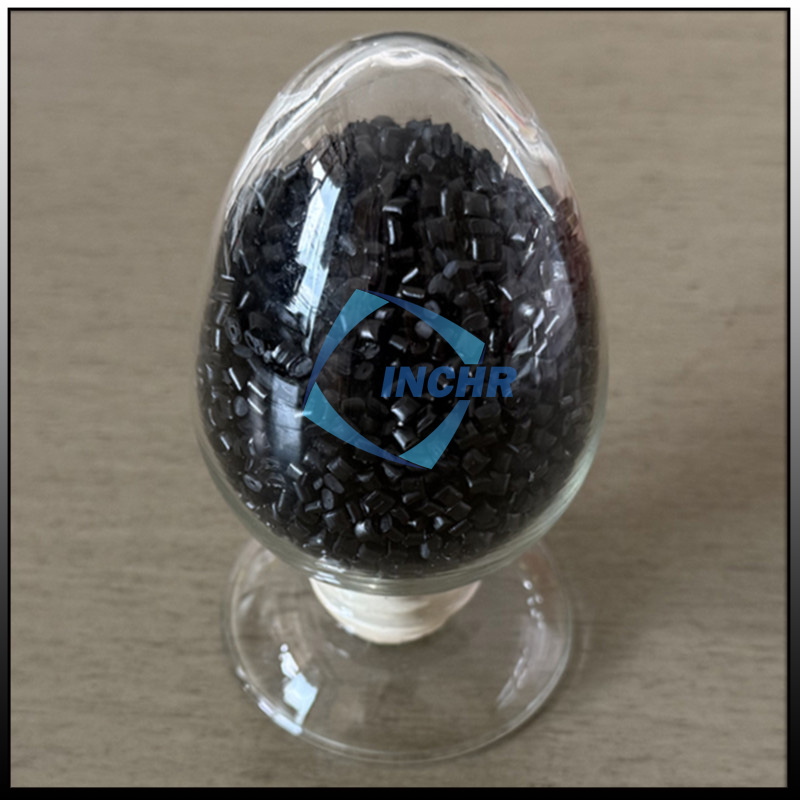
Achieving high-quality injection molded PEEK components requires a meticulous approach that addresses the material’s unique properties. Polyetheretherketone (PEEK) is a premium polymer offering exceptional performance, but its processing demands precision. Deviations can lead to defects, reduced mechanical properties, or part failure. This guide outlines the critical process steps and expert tips for ensuring top-tier results in your custom PEEK parts.
The Path to Quality Starts Before the Mold
Quality is defined long before the first shot is injected. Proper preparation is non-negotiable.
Material Handling & Drying: PEEK is highly hygroscopic. Even small amounts of moisture will cause hydrolysis during processing, leading to splay marks, bubbles, and severe degradation of mechanical properties. Pellets must be dried in a desiccant dryer for at least 3-4 hours at 150°C (302°F). Use a hopper dryer to maintain dryness during production.
Mold Design Excellence: The mold must be crafted from high-grade tool steel (e.g., H-13) and designed for high temperatures. Critical features include:
Robust Temperature Control: Separate, high-capacity mold temperature controllers are essential for uniform heating (typically 160-200°C).
Strategic Gating: Use larger gates (e.g., tab or fan gates) to reduce shear heating and allow easy packing. Avoid restrictive pin gates for thick sections.
Proper Venting: Adequate venting in the mold cavity is crucial to prevent trapped gas (burns) and ensure complete fills. Learn more about our custom mold design principles.
Mastering the Injection Molding Process
The processing window for PEEK is precise. Key parameters must be tightly controlled.
Barrel and Nozzle Temperatures: Typical melt temperatures range from 350°C to 400°C (662°F to 752°F). Use a profile where the rear zones are cooler, gradually increasing toward the nozzle.
High Mold Temperature: Maintaining a hot mold (160-200°C) is critical for PEEK’s semi-crystalline structure. It ensures proper crystallization, which directly impacts the part’s chemical resistance, dimensional stability, and mechanical strength. A cold mold results in amorphous, brittle parts with poor performance.
Injection Speed and Pressure: Use moderate to high injection speeds to ensure the melt fills the mold before cooling begins. However, excessive speed can cause shear heating and degradation. Apply sufficient holding pressure and time to compensate for material shrinkage and prevent sink marks and voids.
Screw Design and Back Pressure: Use a screw with a low compression ratio (around 2:1) to gently melt the polymer without excessive shear. Apply minimal back pressure just enough to ensure consistent melt density.
Post-Processing and Quality Assurance
The process doesn’t end at ejection.
Annealing (Stress Relieving): For applications requiring maximum dimensional stability and resistance to cracking, annealing is recommended. This involves heating the part to a temperature above its glass transition but below its melting point, then cooling it in a controlled manner. This process relieves internal stresses and promotes optimal crystallization. Technical data sheets from material suppliers like Victrex offer specific annealing guidelines.
Rigorous Inspection: Implement a multi-stage inspection protocol:
Dimensional Checks: Use CMM (Coordinate Measuring Machine) or laser scanning to verify critical tolerances.
Visual Inspection: Check for surface defects like splay, burns, or short shots.
Performance Testing: Conduct functional tests (e.g., leak tests, assembly fits) or laboratory tests (like tensile strength) on sample parts from each batch.

Top 5 Practical Tips for Success
Partner with a Specialist: Not all molders are experienced with high-performance polymers. Choose a partner with proven PEEK expertise, like our dedicated high-temperature molding team.
Start with Quality Material: Source certified PEEK from reputable suppliers (e.g., Victrex, Solvay, Evonik). Document material certifications for traceability.
Instrument Your Process: Use sensors to monitor cavity pressure and temperature in real-time. This data is invaluable for process validation and troubleshooting.
Purge Thoroughly: When changing materials, purge the barrel completely with a high-temperature purge compound before and after running PEEK to prevent contamination.
Prioritize Maintenance: The abrasive nature of PEEK and its high processing temperatures accelerate wear. Implement a strict maintenance schedule for screws, barrels, and check valves.
Features Of Injection Molded PEEK
PEEK (Polyetheretherketone) is a high-performance thermoplastic engineering plastic with excellent overall properties, making it particularly suitable for precision injection molding:
- High Temperature Resistance: Continuous operating temperature up to 260°C, short-term temperature resistance up to 300°C or higher, heat distortion temperature (HDT/A, 1.8MPa) exceeding 300°C.
- Excellent Mechanical Properties: High strength, high rigidity, fatigue resistance, and good mechanical stability even at high temperatures.
- Chemical Corrosion Resistance: Excellent resistance to acids, alkalis, oils, organic solvents, and most chemicals; it is only corroded in strong oxidizing media such as concentrated sulfuric acid.
- Low Friction and Wear Resistance: Excellent self-lubricating properties, low coefficient of friction, allowing for long-term operation without lubrication.
- Electrical Insulation: High dielectric strength, low dielectric constant and loss factor, maintaining stable electrical properties even at high frequencies and high temperatures.
- Dimensional Stability: Extremely low water absorption (<0.1%), resulting in high dimensional accuracy after molding and minimal impact from humidity.
Conclusion
Achieving quality in injection molded PEEK is a science that balances precise material science with disciplined engineering. By meticulously controlling every variable—from drying and mold design to temperature profiles and post-processing—manufacturers can unlock the full potential of this remarkable polymer. Following these process guidelines and expert tips will lead to consistent, reliable, and high-performance PEEK components that meet the strictest application demands.