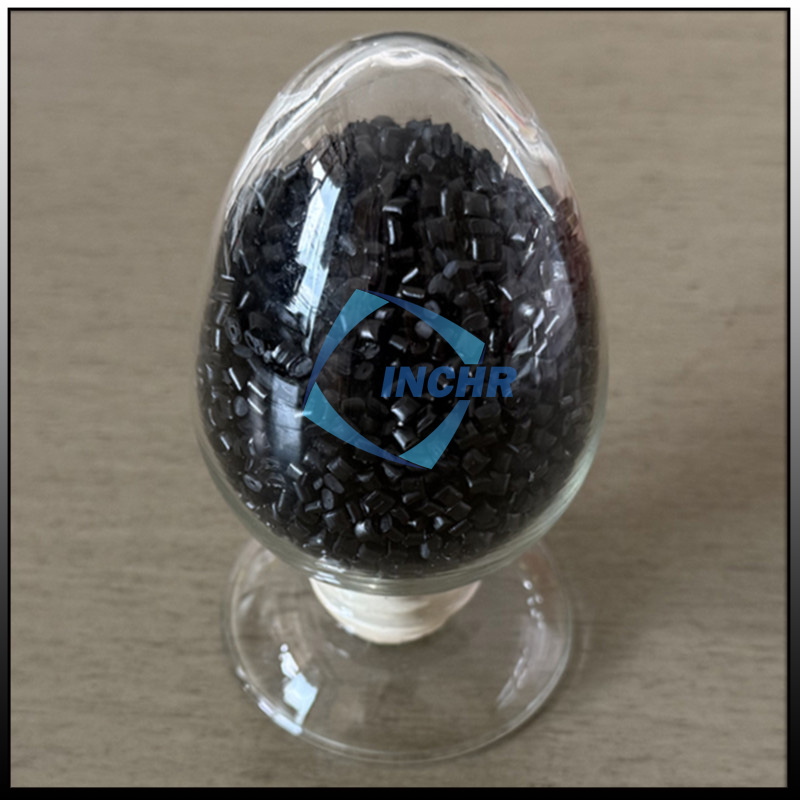
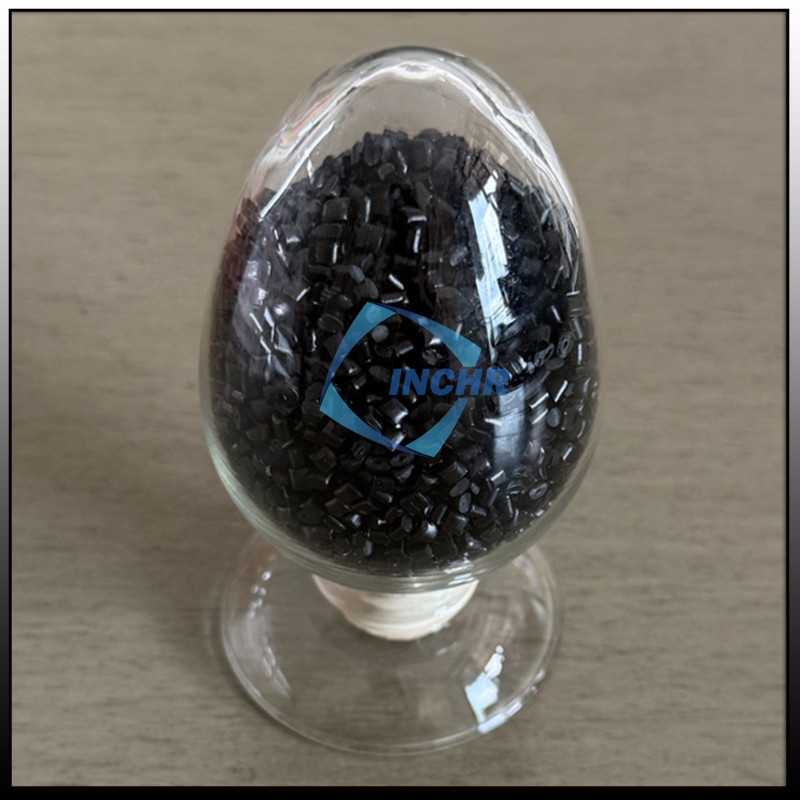
In industries where electrostatic discharge (ESD) can damage sensitive components or create fire hazards, selecting the right antistatic masterbatch is critical. This guide focuses on high-quality antistatic masterbatch for pellets engineered to deliver a consistent surface resistivity in the range of 10^6 to 10^9 Ω – the ideal zone for static dissipative applications. Whether you are producing injection-molded parts, films, or extrusion profiles, understanding what makes a masterbatch “high-quality” ensures reliable performance and regulatory compliance.
What is Antistatic Masterbatch?
Why Surface Resistivity Matters: The 10^6–10^9 Ω Sweet Spot
Surface resistivity (measured in ohms per square, Ω/sq) quantifies how easily static charges travel across a material’s surface. The Electrostatic Discharge Association (ESDA) classifies materials into three categories:
Conductive: < 10^5 Ω/sq – Allows rapid charge dissipation, often used for shielding.
Static Dissipative: 10^5 – 10^12 Ω/sq – Slows charge movement to prevent sudden sparks.
Insulative: > 10^12 Ω/sq – Holds static charge, undesirable for ESD-sensitive environments.
A masterbatch achieving 10^6–10^9 Ω places your finished product firmly in the static dissipative range. This level offers the best of both worlds: it drains static electricity quickly enough to prevent buildup, but not so fast that it risks sparking. It is the preferred specification for handling electronic components, cleanroom packaging, and automotive fuel systems.

Key Attributes of a High-Quality Antistatic Masterbatch
Not all masterbatches labelled “antistatic” deliver consistent results. True high-quality pellets share these characteristics:
1. Precise and Uniform Resistivity
The additive system—whether migrating amines, carbon nanotubes, or permanent ionomers—must be evenly dispersed throughout the pellet. Inconsistent dispersion leads to “hot spots” of high resistivity where static can accumulate. Reputable manufacturers use twin-screw compounding and rigorous quality control to guarantee every pellet meets the 10^6–10^9 Ω target.
2. Excellent Compatibility with Base Polymers
High-quality masterbatches are formulated for specific resins (PP, PE, ABS, etc.) and processing methods. They flow smoothly during injection molding or extrusion without degrading the additive or causing plate-out. Compatibility also ensures that mechanical properties (impact strength, flexibility) remain intact.
3. Humidity and Time Stability
Migrating (temporary) antistats depend on atmospheric moisture and may take days to reach full effectiveness. For applications needing immediate and humidity‑independent protection, permanent non‑migrating types (e.g., carbon‑based or polymeric) are superior. A high‑quality masterbatch clearly specifies whether its performance is humidity‑dependent, helping you avoid field failures.
4. Regulatory Compliance
If your end product will contact food, medical devices, or be used in explosive atmospheres, the masterbatch must meet relevant standards (FDA, EU 10/2011, ATEX, etc.). High‑quality suppliers provide technical data sheets and certificates to prove compliance.
Applications Benefiting from 10^6–10^9 Ω Masterbatches
The static dissipative range is widely adopted across industries:
Electronics Packaging: Trays, tote bins, and film wraps that protect PCBs and hard drives.
Automotive Parts: Fuel system components, interior trim that prevents dust attraction.
Industrial Handling: Conveyor components, containers for explosive powders.
Medical Devices: Operating room equipment where static could ignite anaesthetics or attract contaminants.
How to Verify Quality in Your Supply Chain
When sourcing antistatic masterbatch for pellets, ask for:
Surface resistivity test reports (ASTM D257 or IEC 61340‑2‑3) performed on molded plaques.
Lot‑to‑lot consistency data – a key indicator of process control.
Processing guidelines that detail let‑down ratios, drying conditions, and temperature limits.
Conclusion
Achieving reliable ESD protection starts with choosing a high‑quality antistatic masterbatch that delivers a surface resistivity of 10^6–10^9 Ω in your final product. By focusing on dispersion, compatibility, and performance data, you can ensure your plastic parts meet the strictest industry requirements. Whether you need a temporary solution for packaging or a permanent additive for mission‑critical components, partnering with a trusted supplier guarantees peace of mind.
For more information on specific resin grades or custom formulations, contact our technical team or explore our complete range of functional masterbatches.