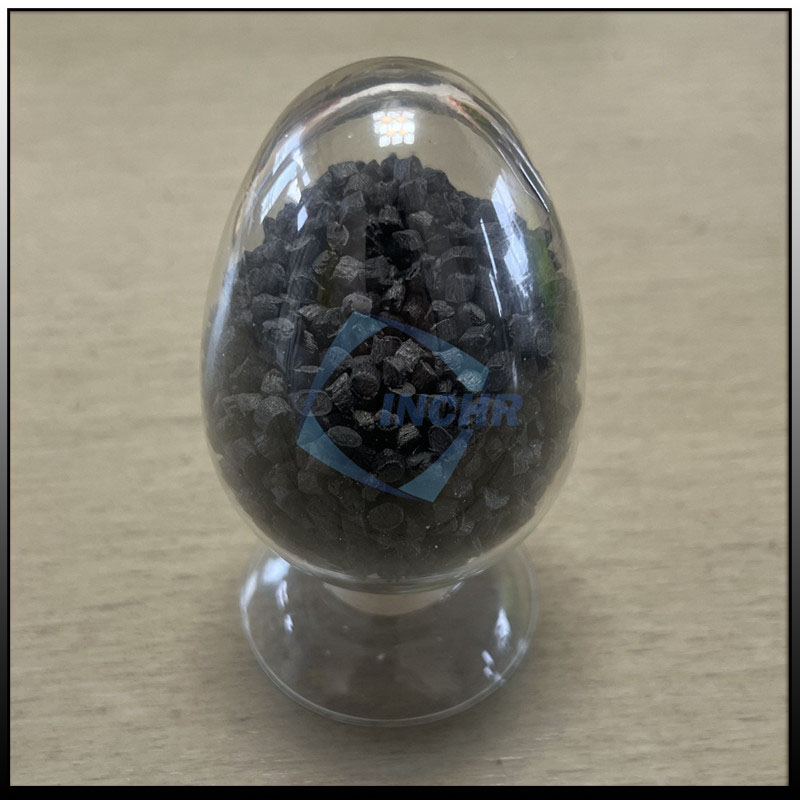
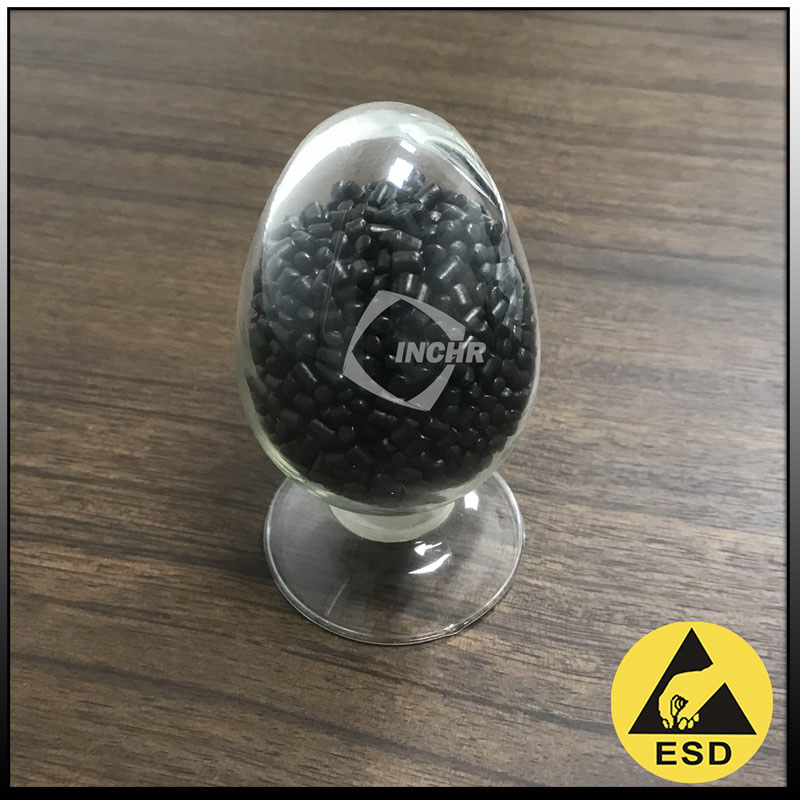
In high-stakes industrial environments where static discharge spells disaster, material selection isn’t just important—it’s critical. Enter ESD PEEK Plastic engineered to provide unparalleled protection.
Why Static Control Demands ESD PEEK
Standard plastics insulate, allowing dangerous static charges (ESD) to build. Conductive materials discharge too rapidly, risking sparks. ESD PEEK Plastic hits the perfect balance. Its modified polymer structure provides controlled, predictable static dissipation(typically achieving surface resistance of 106 to 109 ohms/square), safely grounding charges without damage. This makes it indispensable for:
- Electronics Manufacturing:Protecting sensitive PCBs, microchips & assembly.
- Aerospace & Defense: Shielding avionics and explosive components.
- Medical Device Production: Ensuring sterile, particle-free environments.
- Pharmaceutical Handling: Preventing static-induced product adhesion or contamination.
- Cleanrooms & Semiconductors: Safeguarding billion-dollar wafer processes.
Beyond Antistatic: The Powerhouse Advantages of ESD PEEK
The properties of ESD PEEK plastic:
- Extreme Temperature Resilience: Continuous use up to 250°C (480°F), far exceeding most ESD plastics.
- Exceptional Mechanical Strength & Stiffness:Withstands high loads and stress in demanding machinery.
- Chemical Invulnerability:Resists virtually all industrial solvents, fuels, and cleaning agents. [LINK: Chemical Resistance Guide]
- Ultra-Low Outgassing & Purity: Critical for vacuum chambers and cleanrooms (meets NASA low outgassing standards).
- Intrinsic Lubricity & Wear Resistance: Ideal for bearings, seals, and moving parts, reducing maintenance.
- Dimensional Stability: Maintains precise tolerances under thermal cycling and stress.
ESD PEEK vs. Common Antistatic Solutions: A Clear Winner
| Material | ESD Performance | Temp Limit | Chemical Resistance | Mechanical Strength | Wear Resistance |
|---|---|---|---|---|---|
| ESD PEEK | Excellent (Permanent) | > 250°C | Exceptional | Exceptional | Exceptional |
| ESD Nylon | Good | ~120°C | Moderate | Good | Moderate |
| ESD Acetal | Good | ~90°C | Poor (Acids) | Good | Good |
| Surface-Treated Plastics | Degrades | Varies | Poor (Washes off) | Varies | Varies |
| Carbon-Filled Composites | Too Conductive | Varies | Good | Brittle | Good |
Real-World Impact: Where ESD Solves Critical Problems
- Eliminating Wafer Breakage: Replacing static-charged carriers with ESD PEEK trays in semiconductor fabs dramatically reduced microchip loss.
- Preventing Fuel Ignition:ESD PEEK fuel system components in aircraft ensure safe static dissipation, eliminating spark risk near vapors.
- Ensuring Medical Device Reliability:Static-attracted contaminants can ruin sensitive implants. ESD PEEK fixtures guarantee cleanliness.
Choosing & Using ESD Effectively
Maximize your investment:
- Specify Resistance Range: Ensure it meets your specific application needs (e.g., 106-109 Ω/sq).
- Consider Machining & Design: PEEK machines well but requires expertise. Partner with experienced fabricators.
- Validate Performance:Regular testing per standards like ANSI/ESD S20.20 or IEC 61340-5-1 is crucial.
- Avoid Surface Contaminants: Oils or coatings can impair ESD performance. Use compatible cleaners.
The Future-Proof Antistatic Solution
As electronics shrink and industrial processes intensify, the cost of ESD failure skyrockets. ESD PEEK plastic isn’t just another material; it’s a strategic safeguard. Its unique combination of permanent, reliable static dissipation with unmatched thermal, chemical, and mechanical performance makes it the truly ideal choice for mission-critical industrial antistatic applications.
Ready to eliminate ESD risks with high-performance materials? Contact Our ESD Plastics Experts to discuss your specific antistatic challenge.