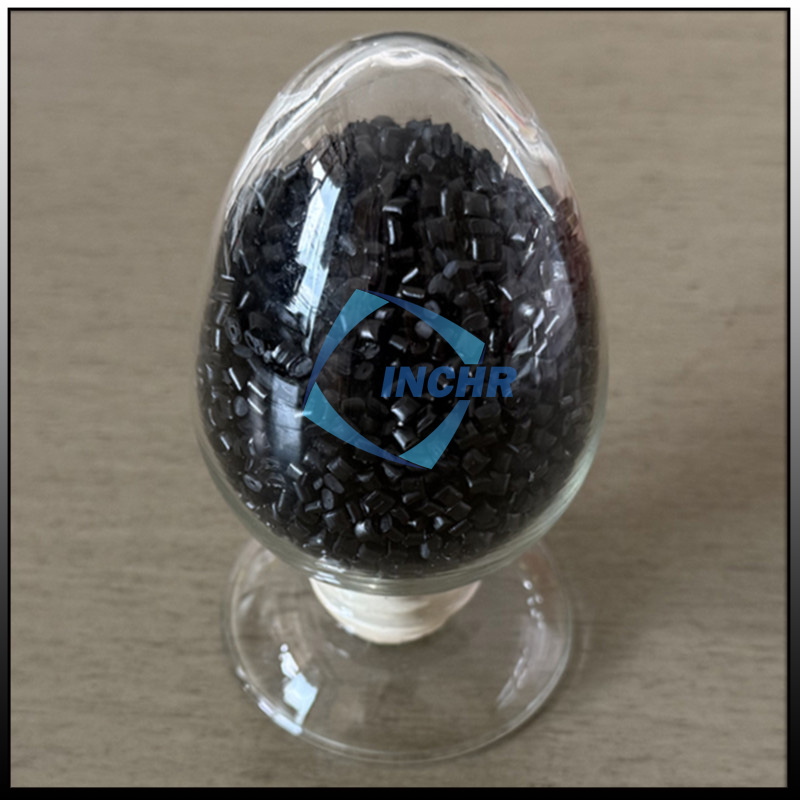
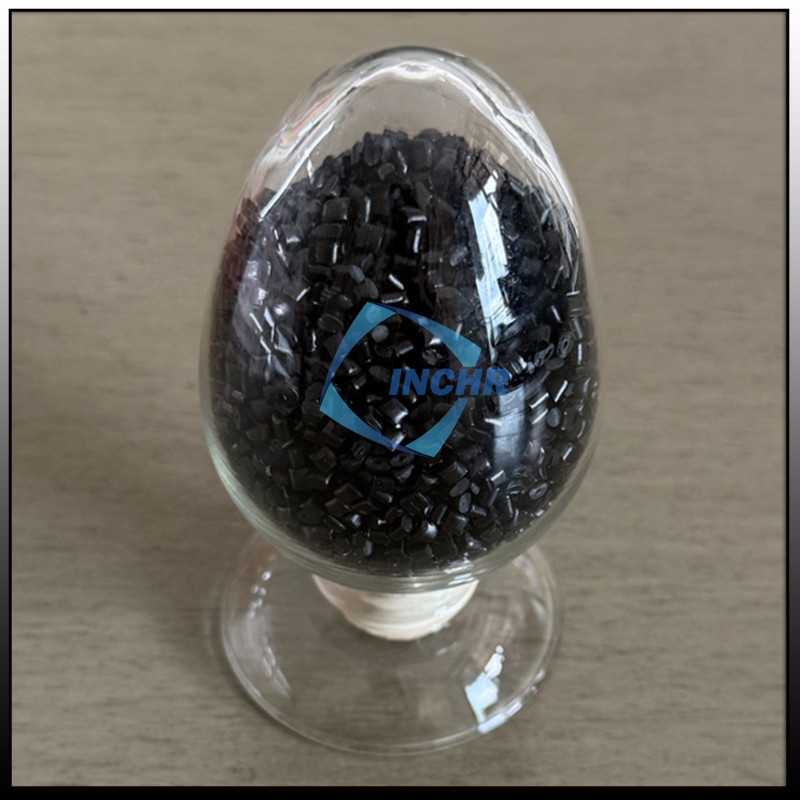
In the precise world of high-tech manufacturing, electronics assembly, and sensitive laboratory environments, controlling static electricity is not just a precaution—it’s an absolute necessity. Traditional plastics often act as insulators, generating and holding dangerous electrostatic charges. This is where Electrostatic Dissipative (ESD) Polyether Ether Ketone (PEEK) performs a critical role, offering a perfect balance of properties thanks to its controlled surface resistance in the ideal range of 10^6 to 10^11 ohms.

Why the 10^6 to 10^11 Ohms Range is the “Sweet Spot”
Surface resistance measures how easily an electric charge can flow across a material’s surface. Materials are categorized as conductive (less than 10^5 ohms), dissipative (10^5 to 10^11 ohms), or insulating (greater than 10^12 ohms). The dissipative range, specifically 10^6 to 10^11 ohms, is uniquely advantageous for several key reasons.
1. Prevents Catastrophic Electrostatic Discharge (ESD)
The most immediate benefit of ESD PEEK is its ability to prevent sudden electrostatic discharges. An uncontrolled discharge, often measured in thousands of volts, can instantly destroy sensitive microchips, semiconductors, and electronic components. By offering a controlled path to ground, ESD PEEK allows any accumulated charge to dissipate slowly and safely, rather than discharging in a single, damaging spark. This protection is vital for manufacturing integrated circuits and assembling expensive devices.
2. Protects Against Static Attraction (ESA)
In environments like pharmaceutical processing, medical device manufacturing, and disk drive assembly, even invisible dust particles can cause product failure. Insulative materials generate static charges that attract contaminants and particulate matter. ESD PEEK’s dissipative nature prevents the build-up of these charges, ensuring a cleaner process environment and significantly higher product yield and quality.
3. Maintains PEEK’s Inherent Superior Properties
The genius of ESD PEEK is that it provides these ESD benefits without sacrificing the legendary performance of standard PEEK. This makes it ideal for demanding applications:
High Mechanical Strength & Wear Resistance: It can be used for durable jigs, fixtures, and robotic end-effectors that repeatedly handle circuit boards without wearing down or generating debris.
Exceptional Thermal Stability: It retains its properties at high temperatures, making it suitable for processes like reflow soldering where temperatures exceed 250°C.
Chemical Resistance: It resists degradation from harsh cleaning solvents and fluxes used in electronics production.
4. Enhanced Safety in Hazardous Environments
In areas where flammable gases, solvents, or powders are present, a static spark can be catastrophic. By safely dissipating energy, ESD PEEK components help mitigate the risk of ignition, providing an added layer of safety in aerospace, chemical processing, and oil and gas applications.
5. Cost-Effectiveness and Long-Term Reliability
While the initial cost may be higher than some metals or other plastics, ESD PEEK’s durability and longevity provide excellent value. Components made from ESD PEEK last significantly longer than those made from cheaper, less robust ESD materials, reducing downtime, maintenance costs, and the frequency of replacement.
Conclusion
The specification of a surface resistance between 10^6 and 10^11 ohms is not arbitrary; it is the fundamental reason ESD PEEK is such a powerful engineering material. It strikes the perfect balance, providing a safe path for static charges to dissipate without damaging sensitive components, while simultaneously offering the unmatched mechanical, thermal, and chemical properties of PEEK. For industries where failure is not an option, specifying ESD PEEK is a critical decision for ensuring product integrity, operational safety, and manufacturing efficiency.
External Resource: Learn more about ESD standards from the ESD Association.