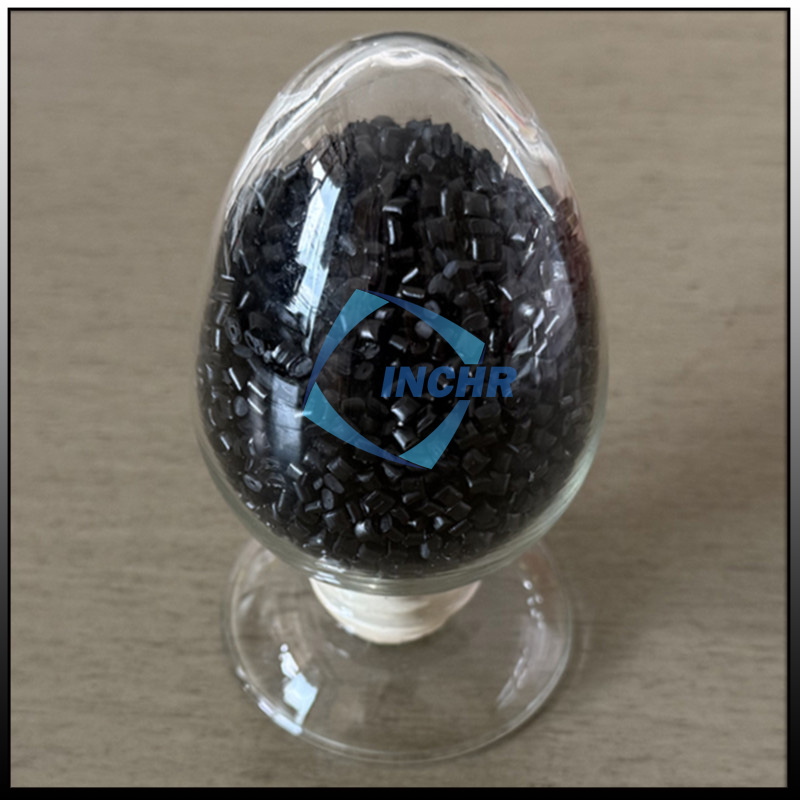
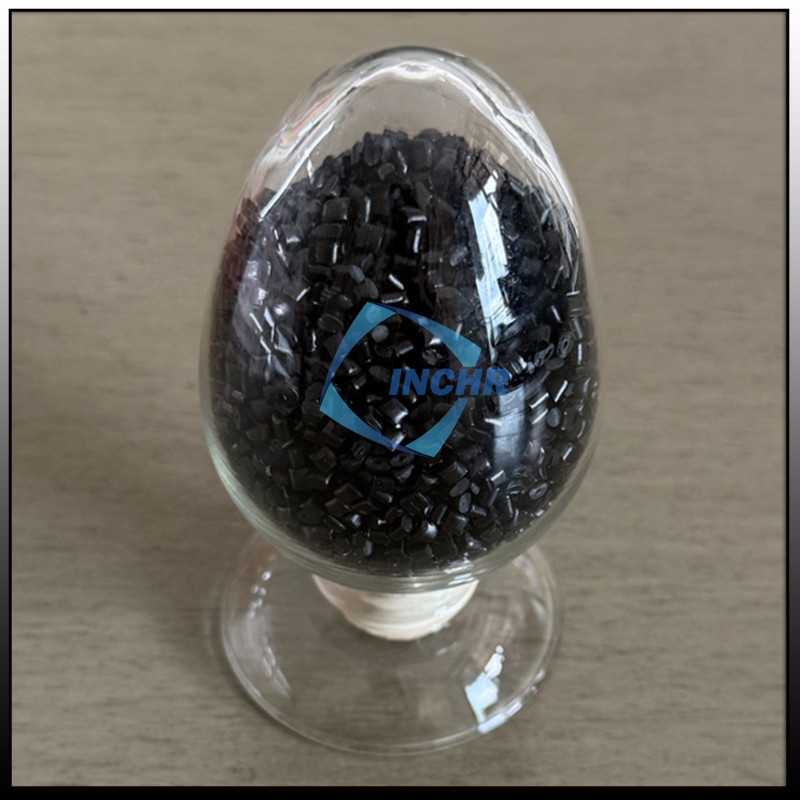
Across industrial manufacturing, teams are under growing pressure to cut operational costs, extend product lifespan and meet lightweight design targets. For decades, carbon fiber reinforced plastic (CFRP) was seen as a niche, high-cost material limited to aerospace prototypes and premium products. Today, however, advanced formulation and mass production processes have made CFRP a practical, ROI-positive material solution for high-volume automotive, automation and energy applications. When evaluated across the full product lifecycle, it often delivers better financial returns than traditional steel and aluminum, even with higher upfront material costs.

The core business case for carbon fiber reinforced plastic rests on three measurable advantages that directly impact production and operational costs. First is its unmatched strength-to-weight ratio. Standard CFRP delivers tensile strength comparable to mild steel at just 20–25% of the density, and outperforms aluminum in both specific strength and stiffness. For moving equipment such as vehicle components and robotic arms, every kilogram of weight reduction translates directly into energy savings, higher payload capacity and faster cycle speeds. In new energy vehicles, for example, a 10% reduction in body weight can extend driving range by 6–8% and reduce battery size requirements, creating cascading cost savings across the product platform.
Second, CFRP eliminates the corrosion and degradation risks that plague metal components. Unlike steel, which requires protective coatings and regular maintenance to prevent rust, carbon fiber reinforced plastic is inherently resistant to most acids, salts, moisture and industrial fluids. It maintains stable performance after years of exposure to outdoor, marine and chemical processing environments, extending component service life by 2–3 times in many cases. This not only cuts maintenance and replacement expenses, but also reduces unplanned downtime for industrial equipment, a benefit that is rarely quantified in initial material cost comparisons.
Third, CFRP enables integrated part design that streamlines manufacturing. Traditional metal fabrication often requires multiple cutting, stamping, welding and assembly steps, which increase lead times, labor costs and potential failure points at joints. Carbon fiber reinforced plastic can be molded into complex, single-piece structures that consolidate 2–5 individual metal components into one part. This reduces part count, eliminates assembly work and improves overall structural reliability. For high-volume production, these manufacturing efficiencies can offset much of the raw material cost premium.
Today, carbon fiber reinforced plastic is scaling beyond aerospace into high-growth industrial sectors. In new energy automotive manufacturing, it is used for battery enclosures, structural brackets, body panels and chassis components. Its lightweight design directly extends driving range, while its corrosion resistance improves long-term durability in harsh road and weather conditions. In industrial automation, CFRP robotic arms, end effectors and conveyor components enable faster motion, lower vibration and higher positioning accuracy, increasing production line throughput while reducing motor wear and energy consumption. In wind energy and energy storage, CFRP structural parts and enclosure components deliver high strength, corrosion resistance and dimensional stability for long-term outdoor operation.
For manufacturers considering CFRP for mass production, successful adoption depends on making the right material and process choices, rather than simply selecting the highest fiber content grade. CFRP is available in two broad categories: thermoset and thermoplastic. Thermoset epoxy CFRP offers maximum dimensional stability and heat resistance, making it ideal for high-load structural parts and low-to-medium volume production. Thermoplastic CFRP, based on PA, PP or PEEK resins, supports faster injection molding, weldability and higher impact toughness, and is the preferred choice for high-volume automotive and industrial components. Fiber content should be matched to actual load requirements; 20–30% fiber content is sufficient for most general metal replacement applications, while 40%+ grades are reserved for high-stiffness structural parts. Over-specifying fiber content increases material cost and processing difficulty without delivering meaningful functional benefits.
It is also critical to partner with a supplier that has both material formulation expertise and mass production capabilities. Suppliers that only provide raw composite sheets without molding, machining and surface treatment capabilities force buyers to manage multiple vendors, increasing logistics costs and quality risks. A full-service supplier can help optimize part design for composite manufacturing, select the most cost-effective grade and ensure consistent quality across production batches. Small-batch trial production and performance testing before full-scale rollout is strongly recommended to verify performance under real operating conditions.
Request custom CFRP manufacturing and mass production support
In conclusion, carbon fiber reinforced plastic is no longer just a premium material for high-end engineering — it is a cost-effective solution that delivers measurable ROI for industrial mass production. Its combination of lightweight strength, corrosion resistance and design flexibility helps manufacturers reduce operational costs, improve product performance and gain competitive advantage. When selected and implemented correctly, CFRP delivers superior total lifecycle value compared to traditional metals, making it a strategic material choice for forward-thinking industrial businesses.