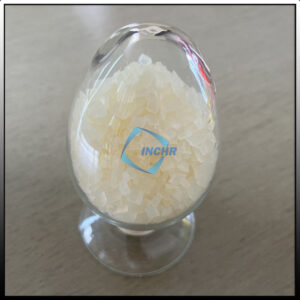
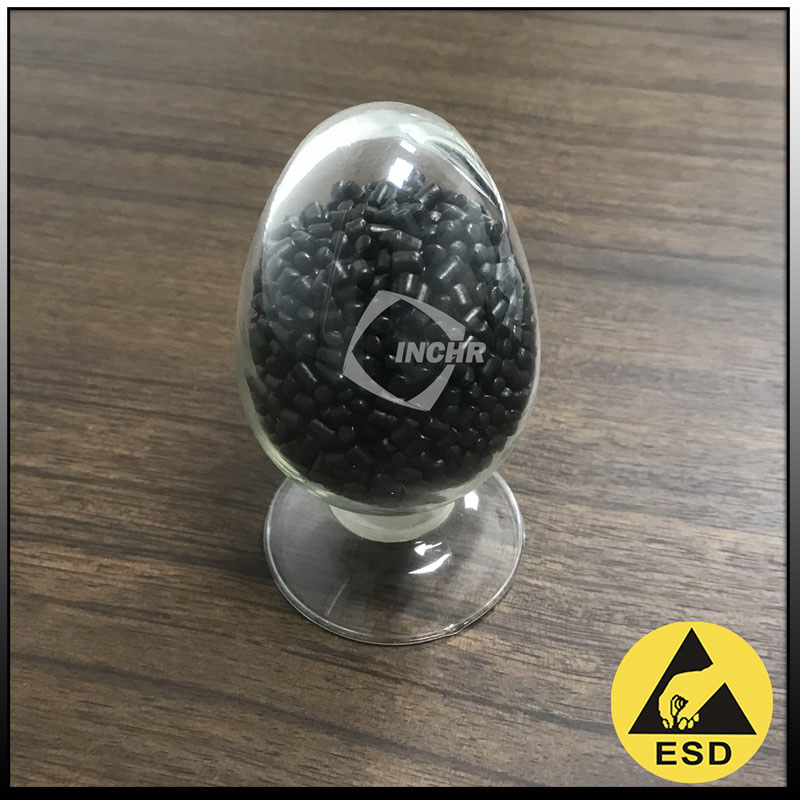
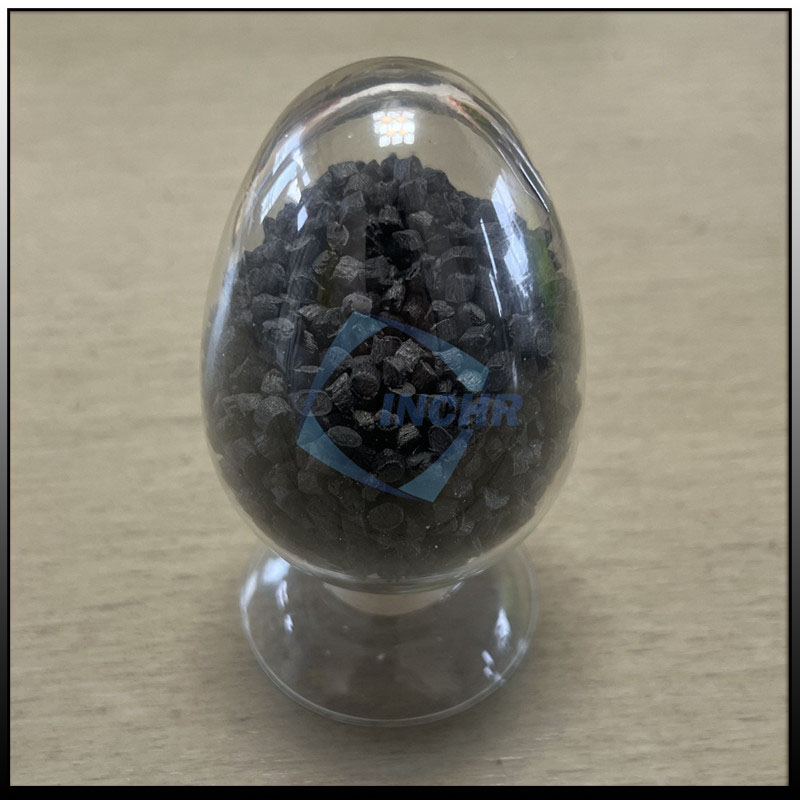
In today’s industrial landscape, plastic products are ubiquitous, from packaging to electronics. However, static electricity can pose significant risks, including dust attraction, electrical damage, and safety hazards. This is where antistatic masterbatch comes into play—a specialized additive that integrates seamlessly into plastic manufacturing to mitigate static-related issues. In this article, we explore what antistatic masterbatch is, how it works, its applications, and the benefits it offers.
What Is Antistatic Masterbatch?
Antistatic masterbatch is a concentrated mixture of antistatic agents dispersed in a polymer carrier. It is designed to be blended with base plastics during processing, such as injection molding or extrusion, to impart antistatic properties. Unlike surface coatings, which can wear off, this masterbatch provides long-lasting protection by dispersing evenly throughout the plastic matrix. Common antistatic agents include hydrophilic compounds that attract moisture from the air, forming a conductive layer that dissipates static charges. This makes it ideal for a wide range of thermoplastic applications, including polyethylene and polypropylene.
How Does It Work?
Static electricity builds up when plastics rub against other surfaces, leading to charge accumulation. Antistatic masterbatch works by reducing the surface resistivity of the plastic. The additives migrate to the surface over time, creating a thin layer that allows static charges to flow away harmlessly. This process is often permanent, depending on the formulation, and ensures consistent performance in various environmental conditions. For instance, in dry environments, the masterbatch maintains effectiveness by leveraging humidity to facilitate charge dissipation. This mechanism not only prevents electrostatic discharge (ESD) but also minimizes dust adhesion, which is crucial in cleanroom settings or electronic manufacturing.
Applications in Various Industries
The versatility of antistatic masterbatch makes it invaluable across multiple sectors. In electronics, it is used for manufacturing components like circuit board trays and device housings to prevent ESD damage. The healthcare industry relies on it for medical devices and packaging to avoid contamination and ensure patient safety. Additionally, in logistics and storage, antistatic plastics help protect sensitive goods from static-induced fires or malfunctions. For example, our internal guide on plastic additives provides further insights into selecting the right solutions for specific needs.
Benefits of Using Antistatic Masterbatch
Incorporating antistatic masterbatch into plastic products offers numerous advantages. First, it enhances safety by reducing the risk of sparks that could ignite flammable substances. Second, it improves product quality by preventing static-related defects, such as surface flaws or assembly issues. Third, it extends the lifespan of plastic items by minimizing dust buildup and corrosion. Moreover, this additive is cost-effective and easy to use, requiring no additional processing steps. According to the Electrostatic Discharge Association, proper ESD control can save industries millions in damages annually.
Conclusion
Antistatic masterbatch is a game-changer for plastic products, offering reliable protection against static electricity. By integrating this additive, manufacturers can enhance safety, durability, and performance in diverse applications. As technology advances, the demand for smarter plastic solutions will only grow. Explore our resources to learn how antistatic masterbatch can benefit your projects and contribute to a safer industrial environment.