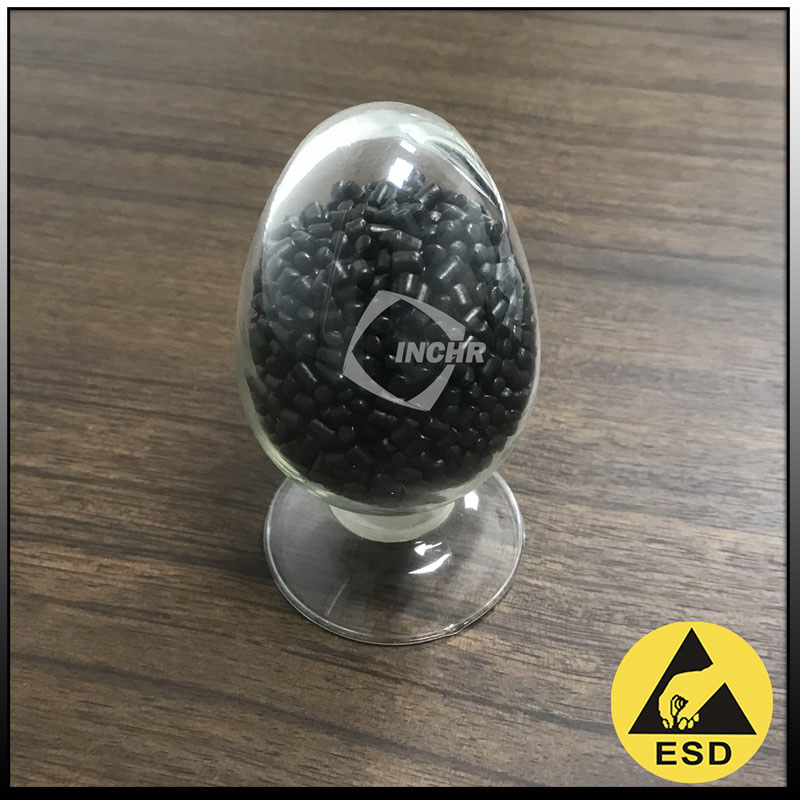
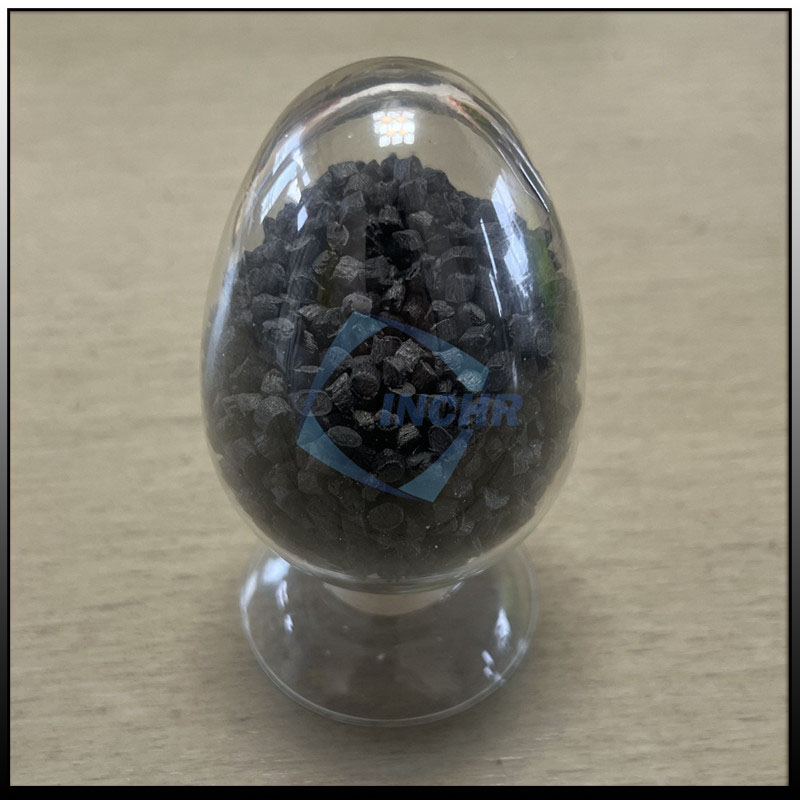
Static electricity is a common issue in plastic manufacturing, causing problems like dust attraction, production inefficiencies, and even safety hazards in sensitive environments. Antistatic masterbatch offers a reliable solution by integrating antistatic agents directly into plastics during processing. This article explores how this additive works, its stable performance benefits, and practical applications, helping industries maintain quality and safety.
What Is Antistatic Masterbatch and How Does It Work?
Antistatic masterbatch is a concentrated additive mixed with base polymers to impart static-dissipating properties. It contains specialized compounds, such as ethoxylated amines or glycerol esters, which migrate to the plastic surface and absorb moisture from the air. This layer facilitates the gradual dissipation of static charges, preventing buildup that can lead to shocks, fire risks, or product damage. Unlike topical coatings, which wear off, masterbatch provides uniform distribution, ensuring long-lasting effectiveness. For a deeper understanding of polymer additives, refer to our internal guide on selecting the right masterbatch.
The mechanism is straightforward: as plastics undergo extrusion or molding, the masterbatch blends homogeneously, creating a conductive network. This stability is key—unlike temporary solutions, it resists environmental changes, such as humidity fluctuations, maintaining performance across diverse conditions. Research from authoritative sources like the Society of Plastics Engineers supports the efficiency of such integrated approaches in reducing static-related defects.
Benefits of Stable Performance in Industrial Applications
The standout feature of antistatic masterbatch is its consistent performance over time. In industries like electronics packaging, where static can destroy sensitive components, this stability ensures compliance with safety standards like ANSI/ESD S20.20. For instance, in automotive parts manufacturing, static control prevents ignition risks in fuel systems. The masterbatch’s durability means it doesn’t leach out or degrade, even under high-temperature processing, reducing maintenance costs and downtime.
[Image: Antistatic masterbatch applied in plastic packaging]
Caption: Antistatic masterbatch in action, preventing dust accumulation on plastic surfaces.
Moreover, stable performance translates to cost savings. By minimizing static-induced defects, companies see fewer rejects and higher product quality. In consumer goods, such as household containers, it enhances user safety by eliminating unpleasant shocks. For more on industry-specific benefits, explore our case study on antistatic solutions for electronics.
Applications and Best Practices
Antistatic masterbatch is versatile, used in sectors from healthcare to logistics. In medical device packaging, it safeguards sterile items from static attraction, while in warehouse pallets, it prevents fires caused by charge accumulation. To achieve optimal results, manufacturers should consider factors like polymer compatibility and dosage rates. Typically, adding 1-3% masterbatch by weight suffices, but consulting technical datasheets ensures tailored solutions.
External resources, such as the American Chemistry Council, provide guidelines on safe additive use. Implementing antistatic masterbatch not only boosts efficiency but also supports sustainability by extending product lifespans.
Conclusion
Antistatic masterbatch is a game-changer for preventing plastic static, offering stable, long-term performance that outperforms temporary fixes. Its integration into manufacturing processes enhances safety, reduces costs, and ensures reliability across various industries. As technology evolves, this solution remains essential for addressing static challenges. For further insights, check our blog on innovative plastic additives.
By adopting antistatic masterbatch, businesses can future-proof their operations against static-related issues, driving growth and innovation.