1. ESD Plastics Must Do More Than Control Static
In electronics manufacturing and precision industrial production, plastic components are often exposed to repeated handling, cleaning, transportation, and contact with sensitive products. Under these conditions, controlling electrostatic charge is only one part of material performance.
ESD Plastics are modified polymer materials designed to reduce static accumulation or provide a controlled path for charge dissipation. They are used in applications such as electronic component trays, protective packaging, equipment housings, and production fixtures.
However, a material that meets an initial electrical target may not automatically be suitable for long-term industrial use. Surface wear, cleaning chemicals, environmental exposure, and repeated mechanical contact can all influence the performance of a finished component.
Manufacturers should therefore evaluate ESD plastics from a lifecycle perspective: how the material performs when new, during regular use, and after repeated maintenance.
2. Surface Cleanliness and Particle Management
In semiconductor and electronics production, contamination control can be as important as electrical performance.
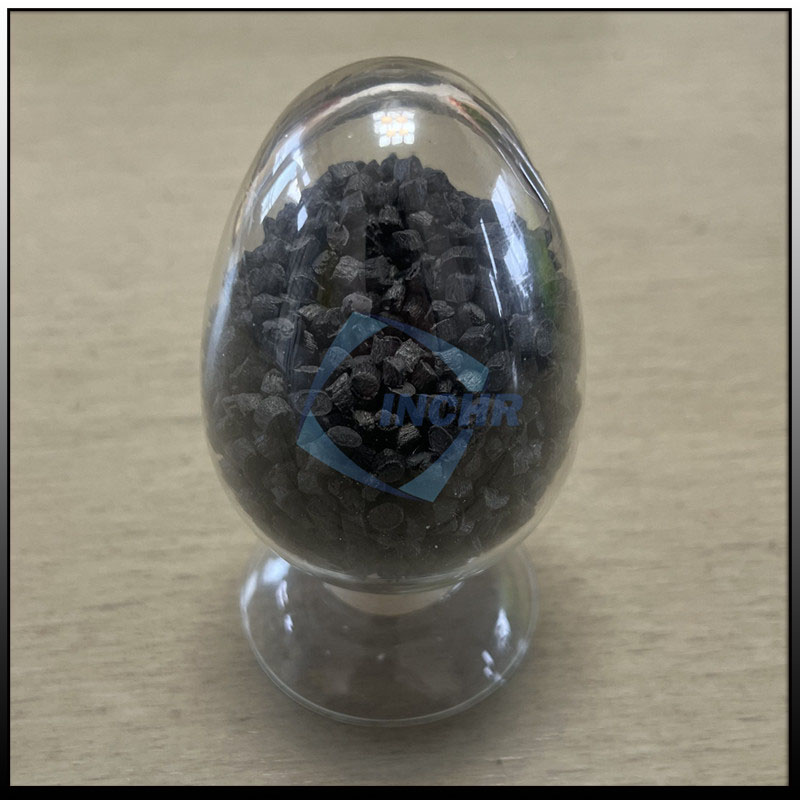
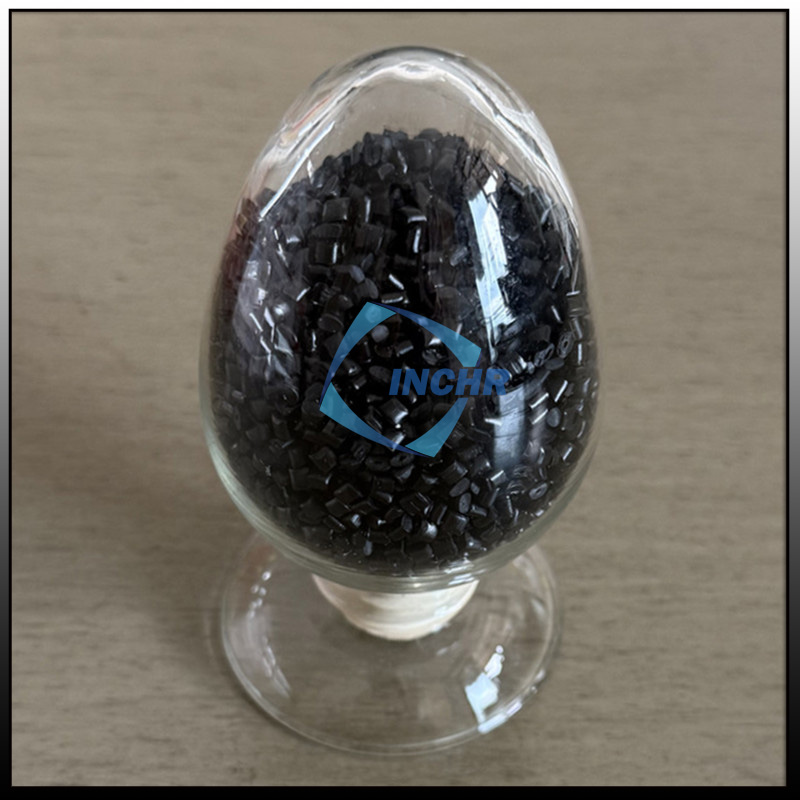
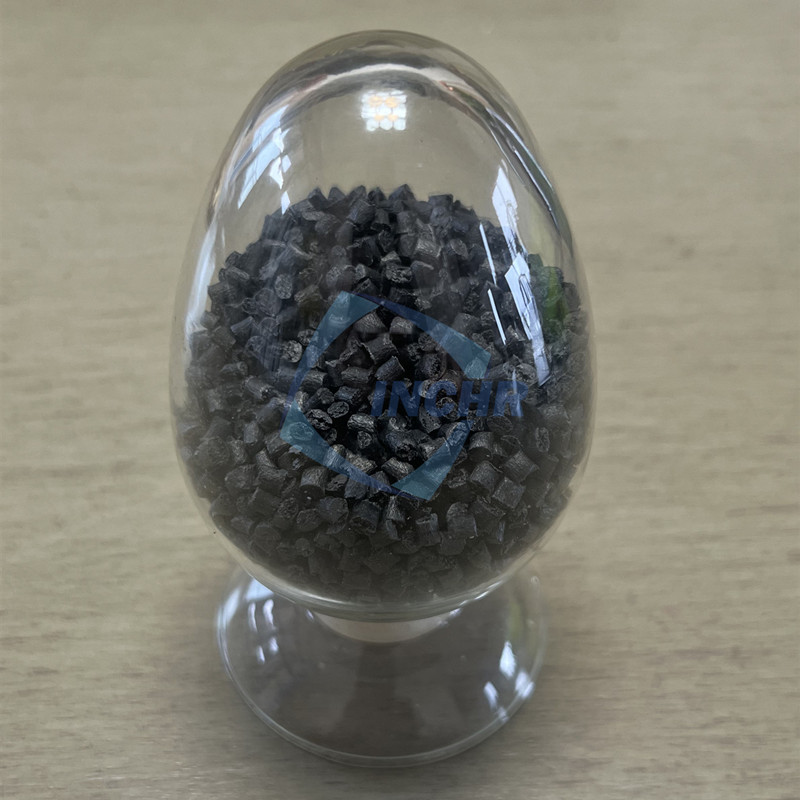
Some conductive plastic formulations use carbon-based fillers. Depending on the formulation and manufacturing quality, exposed filler particles, surface abrasion, or mechanical wear may create concerns for applications with strict cleanliness requirements.
Antistatic formulations without carbon-based conductive fillers may be worth evaluating when appearance, color flexibility, or particle management is important.
Before selecting a material for a clean production environment, manufacturers should consider:
- Surface abrasion and particle generation during repeated contact.
- Compatibility with cleaning agents and disinfectants.
- Surface finish and ease of cleaning.
- Material stability after repeated cleaning cycles.
- Any application-specific requirements for outgassing or extractable substances.
It is important to distinguish between an ESD material and a cleanroom-qualified material. Electrical performance alone does not establish cleanroom suitability. Particle generation, chemical compatibility, and contamination performance must be independently evaluated.
INCHR offers permanent antistatic compounds for different polymer systems and applications. These materials provide options for manufacturers evaluating static-control solutions beyond traditional carbon-filled compounds.
3. Reusable Packaging Requires Long-Term Performance
ESD packaging is frequently reused in electronics manufacturing and component transportation. Trays, boxes, reels, and protective containers may experience repeated loading, unloading, stacking, and cleaning.
A material should therefore be evaluated not only for its initial electrical properties but also for its ability to retain the required performance throughout its service life.
| Performance factor | Why it matters for reusable ESD products |
|---|---|
| Electrical stability | Helps maintain the required static-control behavior |
| Impact resistance | Reduces damage during handling and transportation |
| Wear resistance | Supports repeated contact and movement |
| Dimensional stability | Helps trays and containers retain their shape |
| Chemical compatibility | Supports routine cleaning procedures |
| Surface quality | Helps reduce contamination and facilitate cleaning |
For example, an electronic component tray may be exposed to repeated friction as components are loaded and removed. A suitable material should maintain its mechanical structure and meet the required electrical specifications after representative use.
INCHR provides ESD masterbatch for film and sheet applications for manufacturers producing antistatic packaging materials. The appropriate grade should be selected according to the base resin, forming process, and required electrical performance.
4. Choosing Between Antistatic and Conductive Plastics
Not every static-control application requires the same electrical behavior. Selecting a material with unnecessarily low resistance may increase material costs or introduce trade-offs in appearance and mechanical properties.
The material category should match the actual function of the component.
| Material category | Main function | Typical application examples |
|---|---|---|
| Antistatic plastics | Reduce static charge accumulation | Packaging films, covers, plastic sheets |
| Static-dissipative plastics | Allow charge to dissipate in a controlled manner | Component trays and handling fixtures |
| Conductive plastics | Provide a more conductive electrical pathway | Conductive containers and specialized equipment parts |
| Carbon fiber reinforced plastics | Combine polymer reinforcement with potentially controlled electrical properties, depending on formulation | Structural fixtures and engineering components |
INCHR’s published product range describes antistatic, static-elimination, conductive, and EMI-shielding material options. Its product information gives different surface-resistance ranges for these categories, which should be treated as product-specific guidance rather than universal industry definitions.
For applications requiring a more conductive formulation, explore INCHR conductive compounds.
5. Color and Appearance Can Influence Material Selection
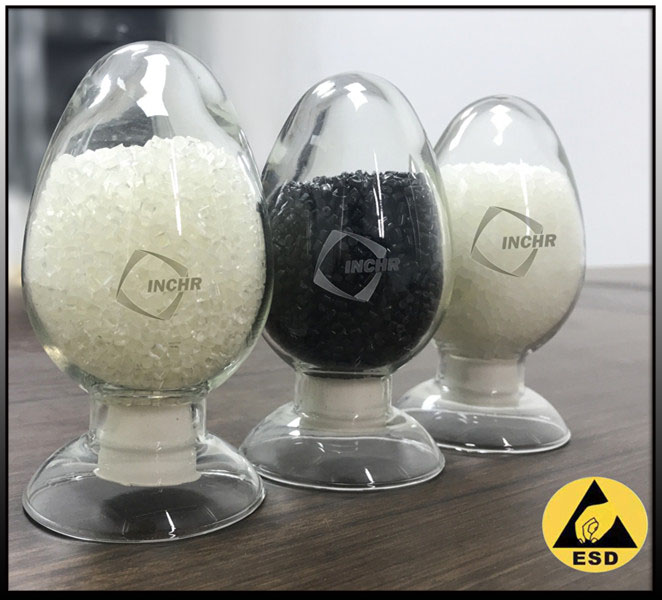
Traditional carbon-filled ESD plastics are often black or dark in appearance. This is suitable for many industrial applications, but some manufacturers need transparent, natural, or colored components for inspection, identification, or product-design reasons.
Permanent antistatic formulations can offer additional options where the application requires a lighter appearance or customized color.
For example, transparent antistatic materials may be considered for protective covers, packaging, and selected electronic components where visibility is important.
INCHR lists transparent antistatic compounds for several resin systems, including ABS, TPU, GPPS, and PVC. Review the antistatic ABS compound and related material options to identify a formulation suitable for the required appearance and processing method.
Color requirements should always be assessed alongside electrical performance. A customized color does not automatically guarantee that the finished product will retain its required resistance characteristics.
6. How to Validate ESD Plastics for Long-Term Use
A reliable material qualification process should simulate the conditions that the finished component will experience.
A practical validation plan may include:
- Initial electrical testing: Measure surface resistance or resistivity using an appropriate method.
- Mechanical evaluation: Check impact resistance, stiffness, and dimensional stability where relevant.
- Cleaning compatibility: Expose samples to the actual cleaning agents and procedures.
- Wear testing: Simulate repeated contact, stacking, and handling.
- Post-use electrical testing: Recheck electrical performance after environmental and mechanical conditioning.
- Production verification: Confirm that molded or extruded parts meet the agreed acceptance criteria.
For broader guidance on establishing an ESD control program, consult the ESD Association’s overview of ANSI/ESD S20.20. Material selection is one part of an effective ESD program; grounding, personnel controls, packaging, and process procedures may also be necessary.
7. INCHR: ESD Plastic Materials for Different Applications
INCHR was established in Dongguan, China, in 2012, and specializes in ESD plastic materials and modified polymer compounds.
Its product portfolio includes permanent antistatic additives, conductive compounds, antistatic compounds, carbon fiber reinforced compounds, ESD masterbatches, and other functional modified plastics.
With different resin systems and processing options available, INCHR supports manufacturers evaluating materials for injection molding, extrusion, blown film, and other plastic manufacturing processes.
Explore the INCHR ESD plastic product range to review available material solutions.
Conclusion
ESD Plastics should be selected according to more than their initial electrical specifications. For reusable industrial components and clean manufacturing environments, surface cleanliness, wear resistance, chemical compatibility, appearance, and long-term performance also matter.
By evaluating the complete service environment and testing finished components after representative use, manufacturers can make more reliable material decisions and improve the performance of their static-control products.
Looking for ESD plastic materials for your manufacturing application? Contact INCHR to discuss your resin, processing, electrical, and durability requirements.
Frequently Asked Questions
1. What are ESD plastics?
ESD plastics are polymer materials modified to reduce static charge accumulation or control the dissipation of electrostatic charge. They are used in electronic packaging, equipment components, trays, and industrial fixtures.
2. Are all ESD plastics conductive?
No. Antistatic, static-dissipative, and conductive plastics have different electrical characteristics. The appropriate category depends on the component’s function and required electrical performance.
3. Can ESD plastics be used in cleanrooms?
Some ESD plastics may be suitable for specific cleanroom applications, but electrical properties alone do not establish cleanroom compatibility. Particle generation, outgassing, chemical compatibility, and cleanliness requirements should be tested separately.
4. Do ESD plastic materials lose their properties over time?
Performance depends on the formulation and service environment. Some materials are designed for long-term antistatic performance, but repeated wear, chemical exposure, and environmental conditions should still be evaluated.
5. Can ESD plastics be transparent or colored?
Yes. Selected permanent antistatic formulations can support natural, transparent, or customized colors. The final appearance and electrical properties should be verified for the specific grade.
6. What is the difference between antistatic and conductive plastics?
Antistatic plastics are designed to reduce charge accumulation, while conductive plastics provide a more conductive pathway for electrical charge. The required performance should be determined by the application rather than choosing the lowest resistance automatically.
7. How do I choose the right ESD plastic material?
Consider the required electrical range, base resin, mechanical properties, operating temperature, cleaning conditions, processing method, and expected service life. Testing representative finished parts is recommended before mass production.