Start With the Load, Not the Fiber Percentage
Choosing carbon fiber reinforced nylon based only on its carbon fiber content can lead to unnecessary costs or unexpected component failures. A part that carries a steady load has different requirements from one exposed to vibration, repeated impacts, or changing environmental conditions.
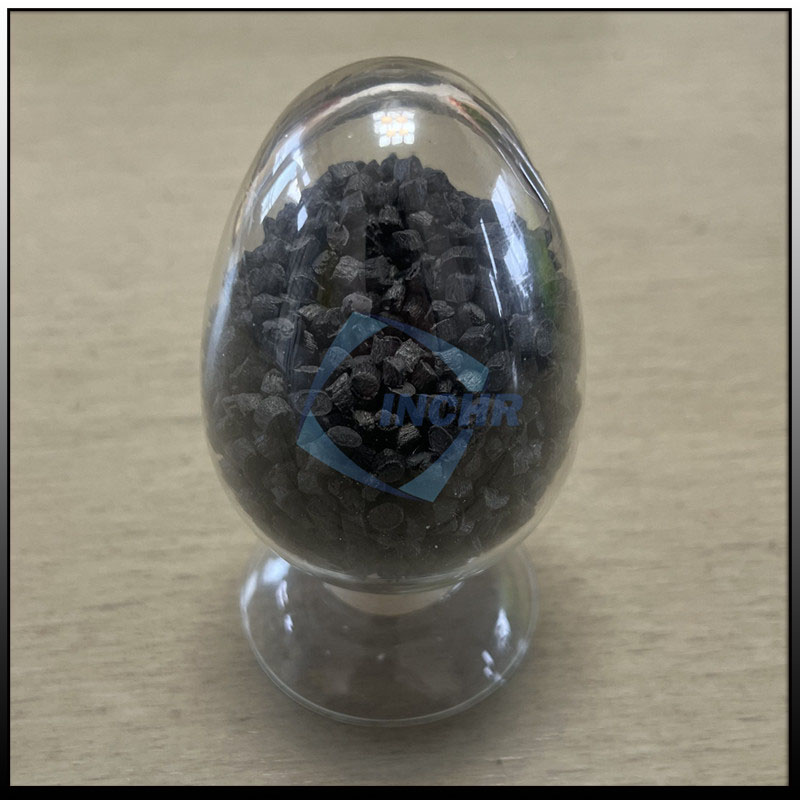
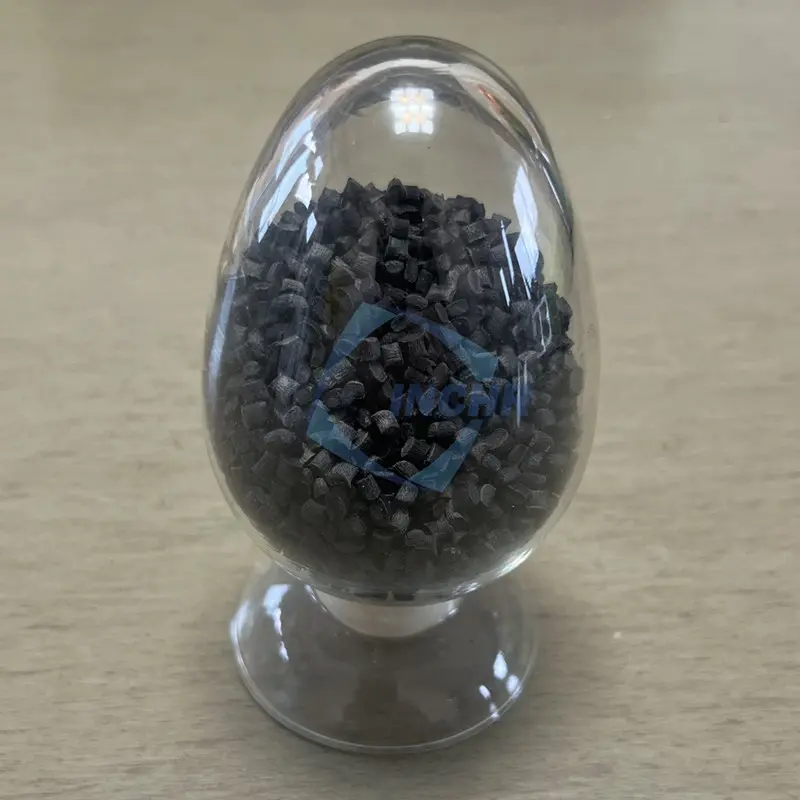
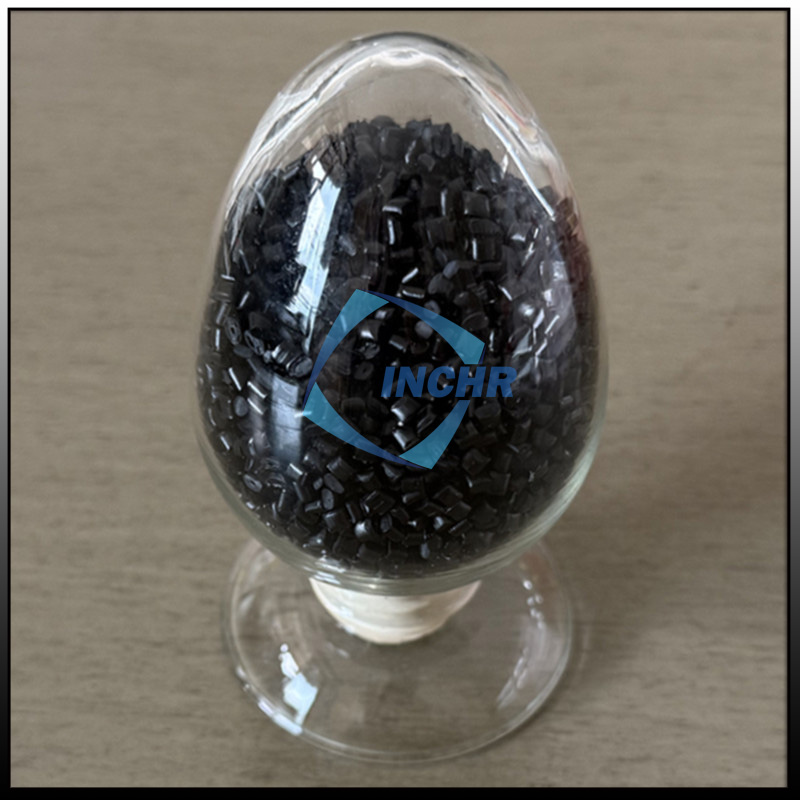
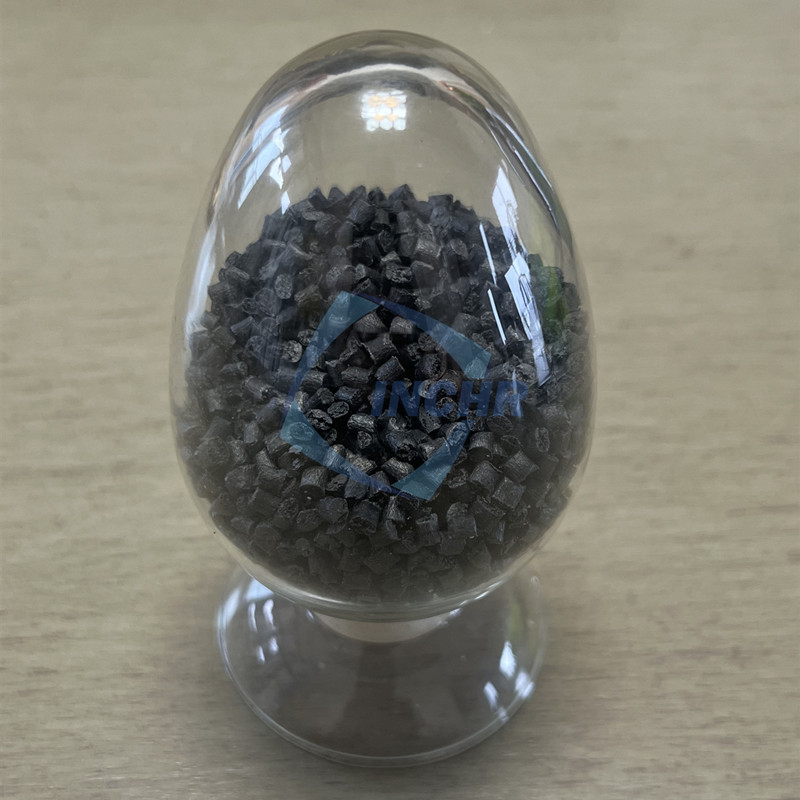
Carbon fiber reinforced nylon combines a polyamide (PA) matrix with carbon fiber reinforcement. It is often used when conventional nylon needs greater stiffness or improved resistance to deformation. However, the most suitable grade depends on how the finished component will actually be used.
Before comparing materials, define three essentials: the load the part must carry, the environment in which it operates, and the manufacturing process used to produce it.
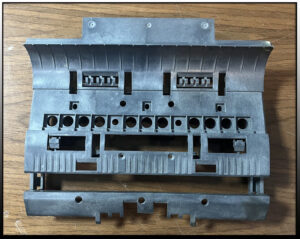
Match the Material to the Loading Condition
Different applications require different balances of stiffness, toughness, and durability. The following table provides a starting point for material screening.
| Operating condition | Material consideration | Validation priority |
|---|---|---|
| Continuous static load | Higher stiffness and creep resistance | Long-term deformation |
| Repeated impact | Adequate toughness rather than maximum rigidity alone | Impact and fatigue performance |
| Vibration and cyclic loading | Resistance to repeated stress and local cracking | Cyclic-load testing |
| Sliding contact | Wear behavior and friction characteristics | Testing with the actual counterface |
| Humid environments | Moisture-related changes in nylon | Conditioned dimensions and mechanical properties |
| Electrostatic-sensitive environments | A grade with verified electrical performance | Surface or volume resistivity |
A higher carbon fiber percentage may increase stiffness, but it does not guarantee better performance in every category. Excessive rigidity can be undesirable where impact absorption or repeated flexing is important.
For a more detailed discussion of operating environments, see INCHR’s guide to matching carbon fiber reinforced nylon PA grades to real-world conditions.
Why Carbon Fiber Content Is Only One Selection Factor
Carbon fiber content influences the properties and processing behavior of reinforced nylon, but it should not be treated as the only indicator of quality.
The base polymer also matters. PA6 and PA66 have different thermal and moisture-related characteristics, while formulation, fiber length, and fiber distribution can affect mechanical performance.
| Selection factor | Why it matters |
|---|---|
| Base polymer | Influences moisture response, thermal behavior, and toughness |
| Fiber content | Changes stiffness, strength, and processing behavior |
| Fiber orientation | Can create directional differences in mechanical properties |
| Additive package | May affect wear, heat stabilization, or electrical behavior |
| Part geometry | Determines local stresses, weld lines, and potential deformation |
| Processing conditions | Influence fiber distribution and finished-part consistency |
The best grade is usually the one that meets the application’s requirements with an appropriate safety margin, not necessarily the grade with the highest fiber loading.
INCHR offers a carbon fiber reinforced nylon compound based on PA66. Its listed grades and electrical specifications can serve as a starting point for evaluation; confirm the current technical data and exact grade requirements before specifying a material.
Account for Moisture Before Finalizing Dimensions
Nylon absorbs moisture from its surroundings. This can change dimensions and alter mechanical behavior, so a part measured immediately after molding may not remain identical after conditioning.
Carbon fiber reinforcement can reduce certain forms of deformation, but it does not eliminate the moisture sensitivity of the nylon matrix.
For components with tight tolerances, engineers should:
- Establish whether dimensions are specified in the dry or conditioned state.
- Test parts under representative humidity and temperature conditions.
- Check fit, clearance, and fastening performance after conditioning.
- Follow the selected grade’s drying and storage recommendations.
- Validate the final component rather than relying only on resin datasheets.
Design for Manufacturing, Not Just Material Performance
A material that performs well in a test specimen may behave differently in a complex molded component. Fiber orientation, gate location, wall thickness, and weld-line position can all affect the final result.
When preparing a component for production, consider these design practices:
Use consistent wall thickness. Large changes in section thickness can create uneven cooling and dimensional variation.
Review load paths. Position ribs and supporting features to help distribute forces without creating unnecessary thick sections.
Check gate and weld-line locations. Areas where flow fronts meet may become critical under mechanical loading.
Follow processing guidance. Nylon grades often require controlled drying, while carbon fiber reinforcement can affect flow and equipment wear.
Run production-representative trials. Prototype testing should reflect the intended mold, process, and operating conditions as closely as possible.
For general information on plastics testing methods, consult ASTM International and identify standards appropriate to the properties being evaluated.
When Electrical Performance Is Also Required
Some carbon fiber reinforced nylon formulations are designed for conductive or electrostatic-discharge applications. However, electrical behavior varies with the formulation and processing conditions.
If the part will be used in electronic manufacturing, component handling, or other ESD-sensitive environments, specify the required resistance range and request grade-specific test results. Do not assume that every carbon fiber reinforced nylon compound provides the same level of conductivity.
INCHR also provides information about conductive compounds, which may be relevant when evaluating material options for applications with defined electrical requirements.
Build a Practical Material Qualification Plan
Before approving a grade for mass production, establish a clear qualification process.
- Define requirements: Document loads, operating temperatures, environmental exposure, tolerances, and electrical needs.
- Screen candidate grades: Compare technical data, base polymer, fiber content, and processing requirements.
- Test representative parts: Evaluate dimensions, mechanical performance, and relevant functional properties.
- Confirm process stability: Check consistency across production trials and establish inspection criteria.
- Document acceptance limits: Record the approved grade, conditioning requirements, test methods, and quality controls.
INCHR, established in Dongguan, China, in 2012, focuses on ESD plastics and modified polymer materials, including carbon fiber reinforced compounds and ESD masterbatches. Discuss your application requirements with the supplier to determine whether an available grade meets the intended specification.
Conclusion
Carbon fiber reinforced nylon can support demanding engineering applications, but reliable performance starts with understanding the component’s actual loading conditions. Evaluate stiffness, impact behavior, moisture response, processing requirements, and electrical properties where relevant. Matching these factors to the intended use helps reduce design risk and avoid paying for properties the application does not need.
Frequently Asked Questions
1. What is carbon fiber reinforced nylon used for?
It is used in selected industrial, automotive, mechanical, and electronic components where increased stiffness, reduced deformation, or specific electrical properties are required.
2. Is a higher carbon fiber content always better?
No. Higher content may improve stiffness but can affect toughness, flow, surface appearance, and processing. The ideal content depends on the application and selected formulation.
3. Does carbon fiber reinforced nylon absorb moisture?
Yes. The nylon matrix can absorb moisture, potentially affecting dimensions and mechanical properties. Validate the finished component under representative environmental conditions.
4. Can carbon fiber reinforced nylon replace metal?
It can replace metal in some applications, but suitability depends on load, temperature, impact, wear, safety requirements, and component geometry. Engineering validation is essential.
5. Is carbon fiber reinforced nylon electrically conductive?
Some grades are conductive or dissipative, but this is formulation-dependent. Verify electrical resistance using data and testing for the exact grade.
6. What information should I provide when requesting a material recommendation?
Provide the intended application, load type, operating temperature, moisture exposure, dimensional tolerances, manufacturing process, electrical requirements, and expected production volume.