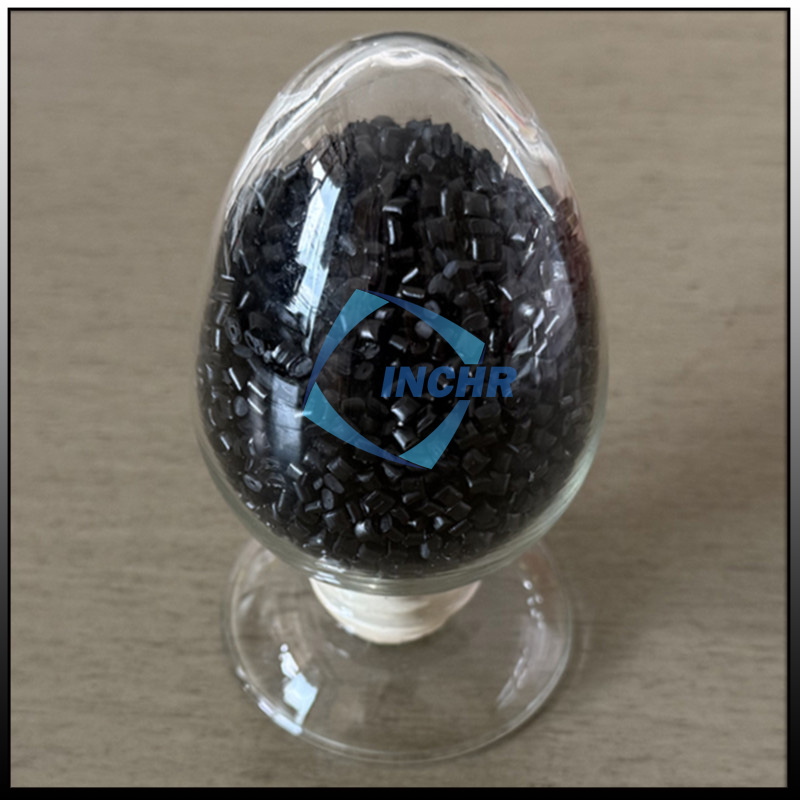
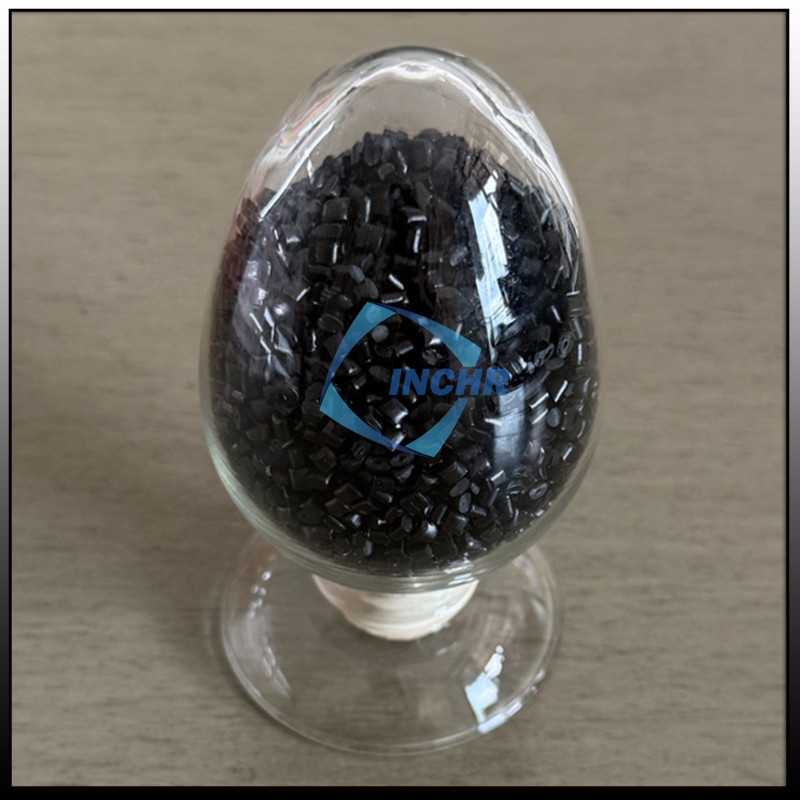
Static electricity is a common challenge in plastic manufacturing, affecting product quality, safety, and processing efficiency. This antistatic masterbatch guide explains how static control works, why it matters, and how to choose the right solution for different plastic products.
What Is Antistatic Masterbatch?
Antistatic masterbatch is a functional additive used in plastic processing to reduce or eliminate static electricity. It is typically added to base resins such as polyethylene (PE), polypropylene (PP), and engineering plastics during extrusion or injection molding.
By lowering surface resistivity, it enables electrostatic charges to dissipate quickly, preventing buildup on plastic surfaces.
Learn more about plastic materials.
Why Static Control Is Important
Plastics are naturally insulating, making them prone to static accumulation during production, handling, and use. Without proper control, static can lead to:
- Dust and particle attraction, affecting product cleanliness
- Electrostatic discharge (ESD), damaging electronic components
- Processing issues like film sticking or blocking
- Safety hazards in flammable environments
Implementing antistatic solutions ensures consistent quality and safer operations.
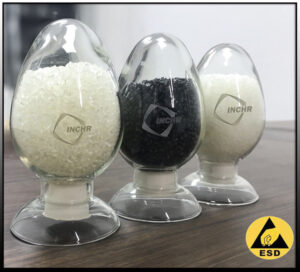
How Antistatic Masterbatch Works
Antistatic masterbatch functions through two primary mechanisms:
1. Migratory (Internal) Antistatic Effect
Additives migrate to the plastic surface and absorb moisture from the air, forming a conductive layer that dissipates static charges.
2. Permanent Antistatic Effect
Conductive agents are embedded within the polymer matrix, providing long-term static control without relying on environmental conditions.
Types of Antistatic Masterbatch
Choosing the right type depends on application requirements:
- General-Purpose Antistatic Masterbatch
Suitable for packaging and consumer goods - High-Performance Antistatic Masterbatch
Designed for electronics and precision components - Engineering Plastic Antistatic Solutions
Tailored for materials like ABS, PC, and nylon
Key Benefits
Improved Product Quality
Reduces dust contamination and enhances surface appearance.
Enhanced Safety
Minimizes the risk of electrostatic discharge and sparks.
Better Processing Efficiency
Prevents issues such as material sticking, improving production flow.
Customizable Solutions
Formulations can be tailored for different polymers and applications.
Common Applications
Antistatic masterbatch is widely used in:
- Packaging Films & Containers (PE, PP)
- Electronic Components & ESD Packaging
- Automotive Plastic Parts
- Industrial Sheets and Profiles
How to Choose the Right Antistatic Masterbatch
When selecting a solution, consider:
- Base resin compatibility (PE, PP, ABS, PC, etc.)
- Required surface resistivity level
- Processing method (extrusion, injection molding, film blowing)
- Environmental conditions such as humidity and temperature
Working with an experienced supplier ensures optimal performance and cost efficiency.
Conclusion
Antistatic masterbatch is an essential component in modern plastic production. By effectively controlling static electricity, it improves product quality, enhances safety, and increases manufacturing efficiency. With the right formulation and application, manufacturers can meet the demands of high-performance plastic products across multiple industries.