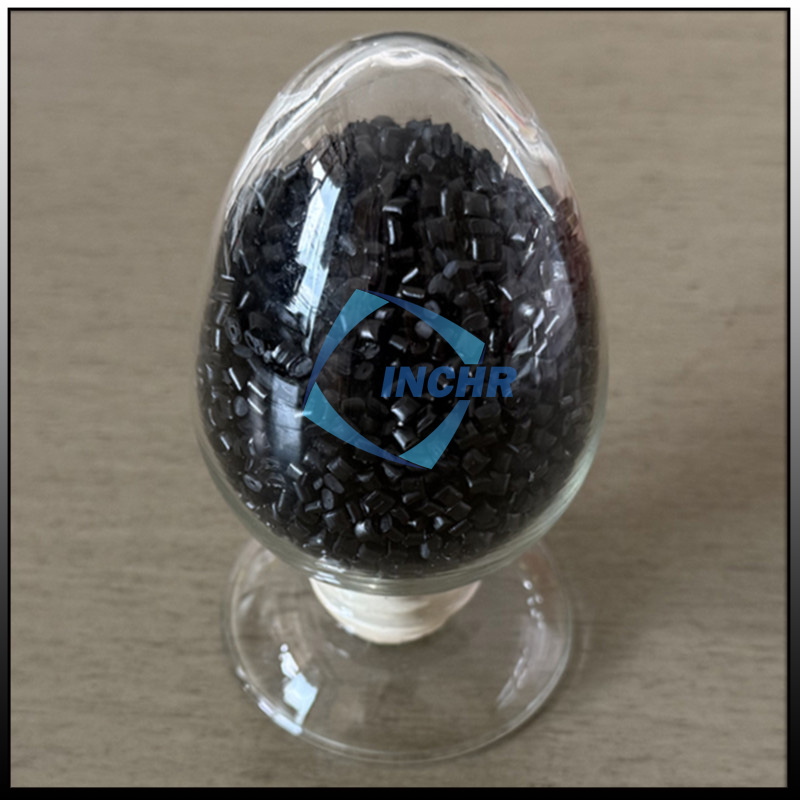
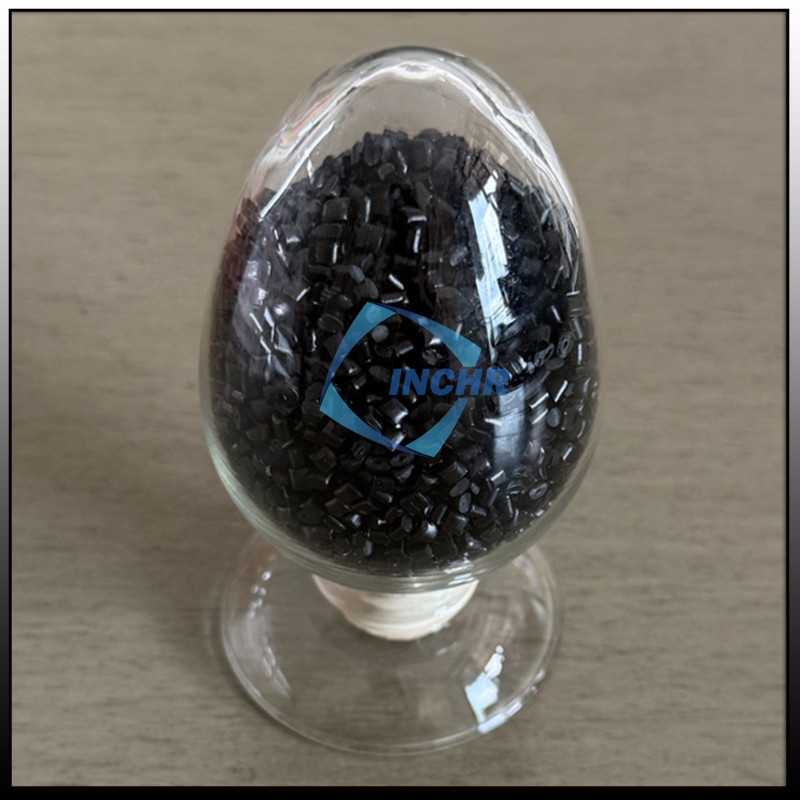
In modern plastic manufacturing, controlling surface resistivity is essential for ensuring product performance, safety, and reliability. Static electricity can lead to dust attraction, product defects, and even electrostatic discharge (ESD) damage in sensitive applications. One of the most effective solutions is the use of antistatic masterbatch, which enables precise and consistent resistivity control across various plastic materials.
What Is Surface Resistivity in Plastics?
Surface resistivity refers to the electrical resistance of a material’s surface, typically measured in ohms per square (Ω/sq). It determines how easily static charges can dissipate.
- Insulative materials: >10¹² Ω/sq
- Antistatic range: 10⁹–10¹² Ω/sq
- Conductive materials: <10⁶ Ω/sq
Maintaining the right resistivity range is critical, especially in industries such as electronics, packaging, and automotive manufacturing.

How Antistatic Masterbatch Works
Antistatic masterbatch is a functional additive blended into plastic resins during processing. It reduces surface resistivity by enabling controlled charge dissipation.
There are two main mechanisms:
- Migratory antistatic agents:
These migrate to the plastic surface and absorb moisture from the air, forming a conductive layer. - Permanent (non-migratory) agents:
These create an internal conductive network, offering long-term stability independent of environmental conditions.
Learn more about Antistatic Masterbatch Types and Selection
Key Benefits of Using Antistatic Masterbatch
1. Stable Resistivity Control
Ensures consistent electrical performance across production batches.
2. Improved Product Quality
Reduces dust attraction and contamination on plastic surfaces.
3. Enhanced ESD Protection
Protects sensitive electronic components from electrostatic damage.
4. Easy Processing Integration
Compatible with standard processes like injection molding, extrusion, and film blowing.
Factors Affecting Surface Resistivity
To achieve optimal results, several variables must be carefully controlled:
- Polymer type (PE, PP, ABS, etc.)
- Additive concentration
- Ambient humidity and temperature
- Processing conditions
Migratory antistatic agents are more sensitive to humidity, while permanent solutions provide more stable performance in dry environments.
Typical Applications
Antistatic masterbatch is widely used in:
- Packaging films and containers
- Electronic component housings
- Automotive interior parts
- Industrial trays and storage bins
These applications require reliable static control to maintain product integrity and operational safety.
Best Practices for Implementation
To maximize effectiveness:
- Use the correct dosage based on target resistivity
- Ensure uniform dispersion during processing
- Conduct resistivity testing after production
- Select the appropriate type (migratory vs permanent) based on environment
Conclusion
Surface resistivity control is a critical aspect of modern plastic engineering. By incorporating antistatic masterbatch, manufacturers can achieve reliable static dissipation, improve product quality, and meet industry standards. Selecting the right formulation and optimizing processing conditions are key to unlocking its full potential.
For manufacturers aiming to enhance ESD performance and product consistency, antistatic masterbatch remains a proven and scalable solution.