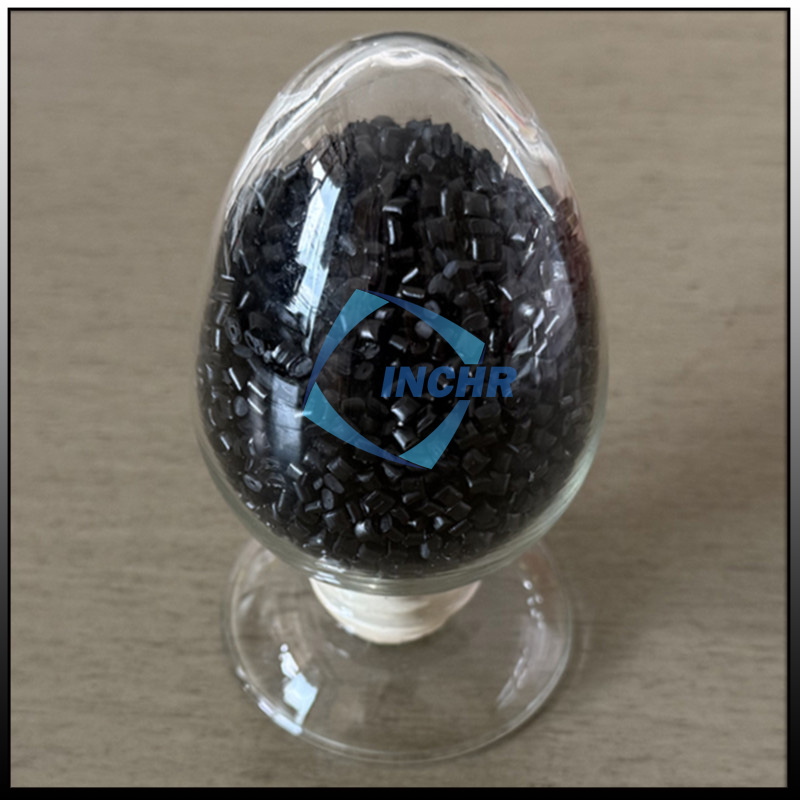
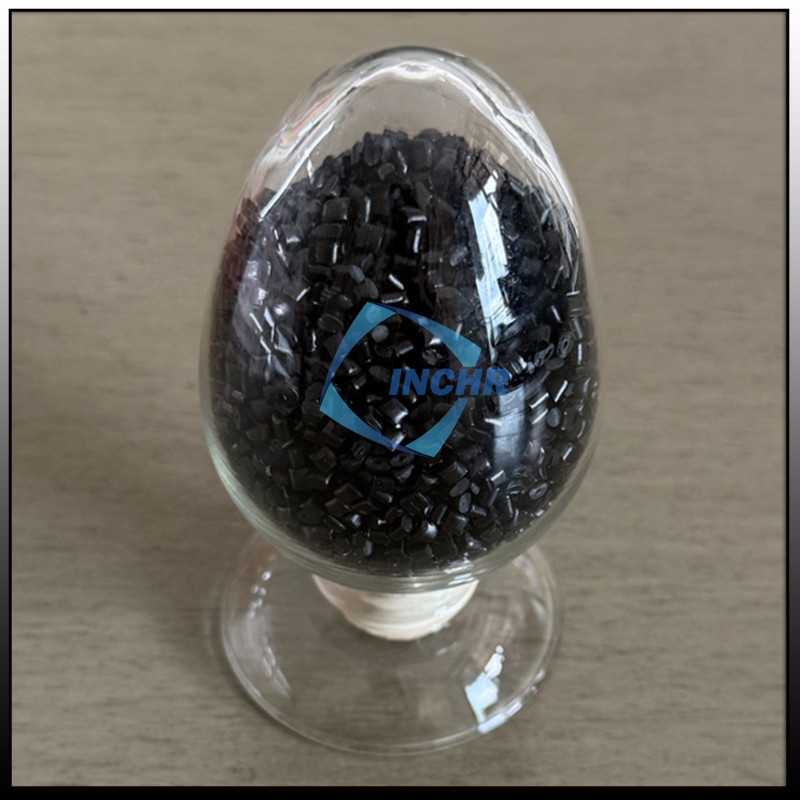
Antistatic masterbatch is an essential additive used in plastic manufacturing to reduce or eliminate static electricity. Static buildup can attract dust, cause material handling issues, and even create safety hazards in sensitive environments. By incorporating antistatic masterbatch into polymers such as PE, PP, and ABS, manufacturers can significantly improve product performance and reliability.
What Is Antistatic Masterbatch?
Antistatic masterbatch is a concentrated mixture of antistatic agents dispersed in a polymer carrier resin. It is added during the plastic processing stage—such as injection molding, extrusion, or blow molding—to impart long-lasting antistatic properties.
The antistatic agents work by reducing surface resistivity, allowing static charges to dissipate more quickly and preventing accumulation.
Key Benefits of Antistatic Masterbatch
1. Reduces Static Buildup
Prevents electrostatic charge accumulation on plastic surfaces.
2. Improves Product Cleanliness
Minimizes dust attraction, keeping products cleaner and more presentable.
3. Enhances Safety
Reduces the risk of electrostatic discharge (ESD), especially in electronics and packaging.
4. Boosts Processing Efficiency
Improves material flow and reduces sticking during manufacturing.
5. Long-Lasting Performance
Provides consistent antistatic properties throughout the product lifecycle.

Types of Antistatic Masterbatch
Antistatic masterbatch can be classified based on performance duration:
Internal Antistatic Agents
These migrate slowly to the surface over time, providing continuous antistatic effects.
External Antistatic Agents
Applied to the surface for immediate but shorter-term results.
Permanent Antistatic Solutions
Designed for long-term stability without migration, suitable for high-performance applications.
permanent-antistatic-solutions
Applications Across Industries
Antistatic masterbatch is widely used in industries where static control is critical:
- Electronic packaging and components
- Cleanroom and medical packaging
- Automotive plastic parts
- Household appliances
- Industrial films and sheets
Its versatility makes it suitable for both functional and aesthetic improvements in plastic products.
Key Design and Processing Considerations
Compatibility with Base Resin
Ensure the masterbatch is compatible with polymers like PE, PP, or PS.
Dosage Levels
Typical loading ranges from 1% to 5%, depending on performance requirements.
Environmental Conditions
Humidity and temperature can affect antistatic performance.
Processing Temperature
Maintain proper processing conditions to avoid degradation of active agents.
Quality Control and Testing
To ensure performance, antistatic masterbatch undergoes strict testing, including:
- Surface resistivity measurement
- Static decay testing
- Environmental aging tests
- Mechanical property evaluation
These tests guarantee that the final plastic products meet industry standards and application requirements.
Conclusion
Antistatic masterbatch plays a crucial role in improving the safety, cleanliness, and functionality of plastic products. By effectively controlling static electricity, it enhances both manufacturing efficiency and end-use performance. For industries requiring high reliability and precision, choosing the right antistatic masterbatch solution is essential for long-term success.