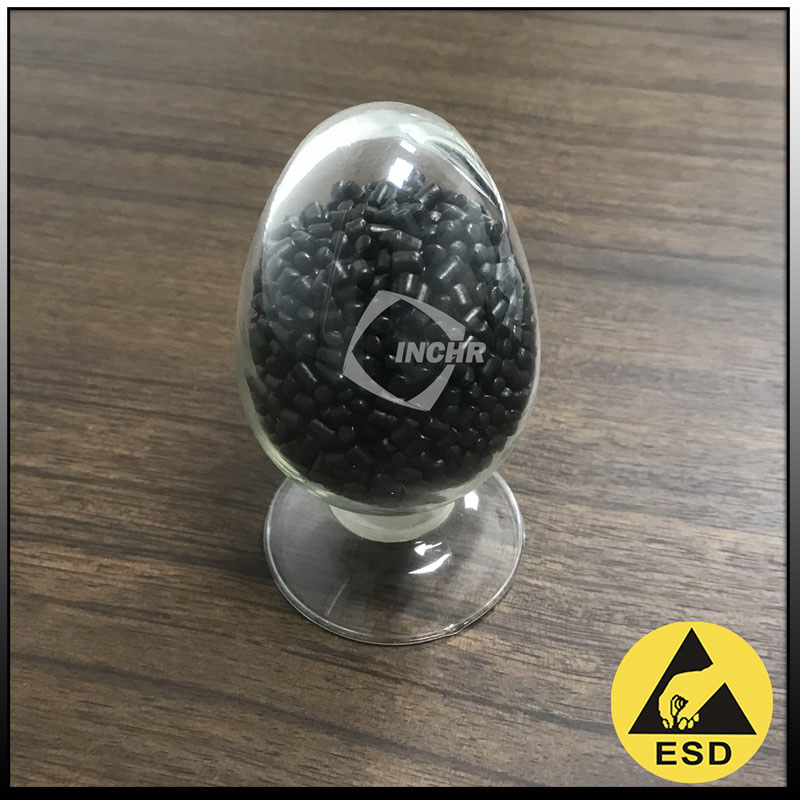
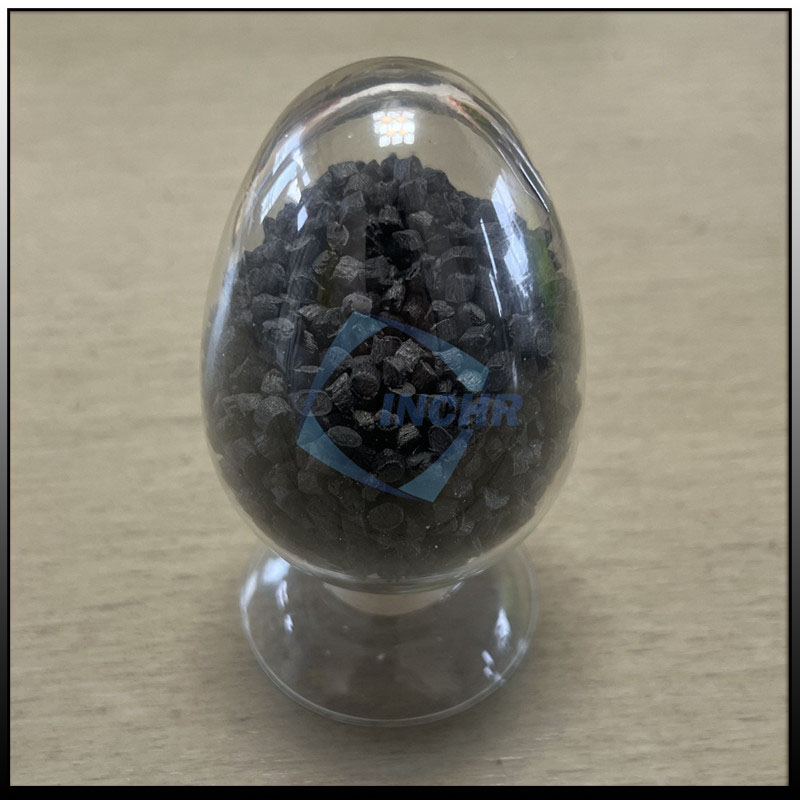
The automotive industry is undergoing a transformative shift toward lightweighting, sustainability, and enhanced performance. Among the materials driving this evolution, carbon fiber reinforced nylon (CFRN) stands out as a game-changer. Combining the strength of carbon fiber with the versatility of nylon, this advanced composite is redefining automotive design and manufacturing. In this article, we explore how CFRN addresses critical industry challenges and shapes the future of mobility.
1. Introduction to Carbon Fiber Reinforced Nylon
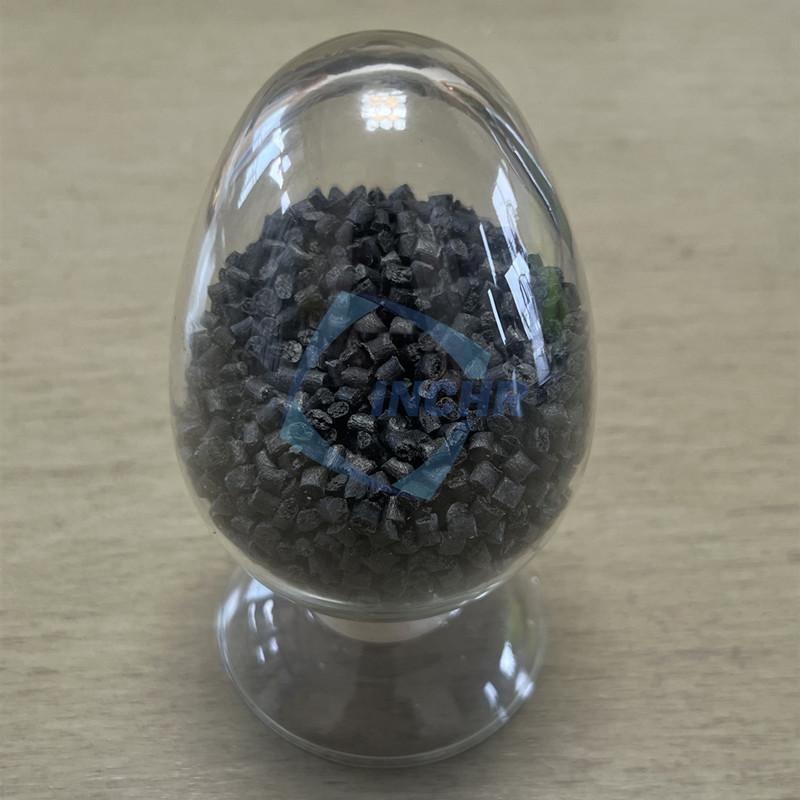
Carbon fiber reinforced nylon is a high-performance thermoplastic composite. It blends short or continuous carbon fibers into a nylon matrix (typically PA6 or PA66), resulting in a material that offers:
Exceptional strength-to-weight ratio
High thermal stability
Chemical and abrasion resistance
Design flexibility
These properties make CFRN ideal for replacing traditional metals and standard plastics in automotive applications, aligning with global demands for fuel efficiency and emission reduction.
2. Lightweighting: A Core Advantage for Modern Vehicles
Vehicle weight directly impacts fuel efficiency, battery range (for EVs), and emissions. CFRN enables automakers to reduce component weight by 30–50% compared to steel or aluminum, without compromising structural integrity. Examples include:
Engine components: Intake manifolds, throttle valves, and sensor housings.
Structural parts: Brackets, mounts, and chassis reinforcements.
Interior systems: Seat frames, dashboard supports, and trim panels.
By integrating CFRN, automakers achieve compliance with stringent regulations like CAFE standards while improving vehicle agility.
3. Enhancing Performance and Durability
Beyond lightweighting, CFRN excels in demanding automotive environments:
Heat Resistance
Nylon’s inherent thermal stability (up to 200°C for PA66) paired with carbon fiber reinforcement allows CFRN to withstand under-the-hood temperatures, reducing deformation risks in components like turbocharger housings.
Vibration Damping
Carbon fiber’s stiffness mitigates noise, vibration, and harshness (NVH), enhancing driver comfort—a critical factor for luxury and electric vehicles.
Corrosion Resistance
Unlike metals, CFRN resists rust and chemical degradation, extending the lifespan of parts exposed to fuels, oils, or road salts.
4. Sustainability: Aligning with Circular Economy Goals
The automotive industry’s push toward sustainability benefits from CFRN’s eco-friendly attributes:
Reduced Energy Consumption: Lighter vehicles consume less fuel or battery power.
Recyclability: Nylon-based composites can be reprocessed, minimizing waste.
Emission Reduction: Lower vehicle weight correlates with decreased CO2 output.
Companies like BMW and Toyota already use CFRN in hybrid and electric models to meet ESG (Environmental, Social, and Governance) targets.
5. Cost-Effectiveness and Manufacturing Efficiency
While carbon fiber composites are often associated with high costs, CFRN bridges the gap between performance and affordability:
Injection Molding Compatibility: CFRN pellets work with existing molding equipment, lowering production setup costs.
Design Freedom: Complex geometries can be achieved in a single mold, reducing assembly steps.
Long-Term Savings: Durability cuts replacement frequency, lowering total ownership costs.
For mid-volume production (e.g., premium or niche vehicles), CFRN offers a viable alternative to metals and conventional plastics.
6. Future Trends and Innovations
The CFRN market is projected to grow at a CAGR of 8.5% from 2023 to 2030, driven by:
Electric Vehicles (EVs): CFRN compensates for battery weight while improving range.
3D Printing: Additive manufacturing enables rapid prototyping of CFRN parts.
Hybrid Composites: Combining CFRN with glass fiber or graphene for tailored properties.
Collaborations between material scientists and automakers will further expand CFRN’s applications, including in autonomous vehicle sensor housings and battery enclosures.
Conclusion
Carbon fiber reinforced nylon is more than a material—it’s a catalyst for innovation in the automotive sector. From enabling lightweight designs to supporting sustainability goals, CFRN addresses the industry’s most pressing challenges. As technology advances, its role will only expand, solidifying its place as a cornerstone of next-generation automotive engineering.
To stay competitive, manufacturers must explore CFRN’s potential and invest in partnerships with material suppliers. The road to smarter, cleaner, and safer vehicles is paved with advanced composites like carbon fiber reinforced nylon.