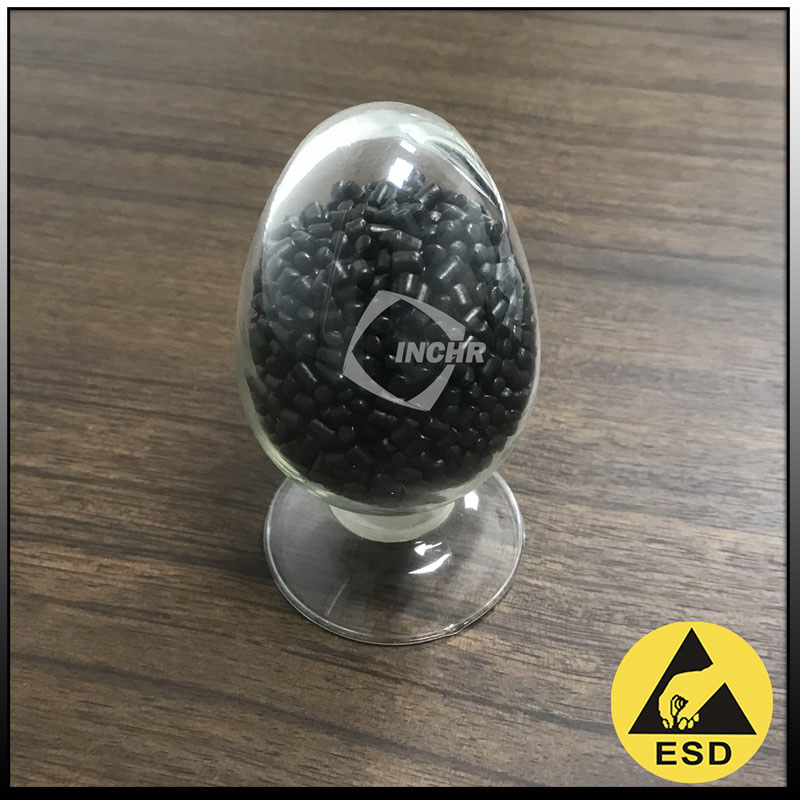
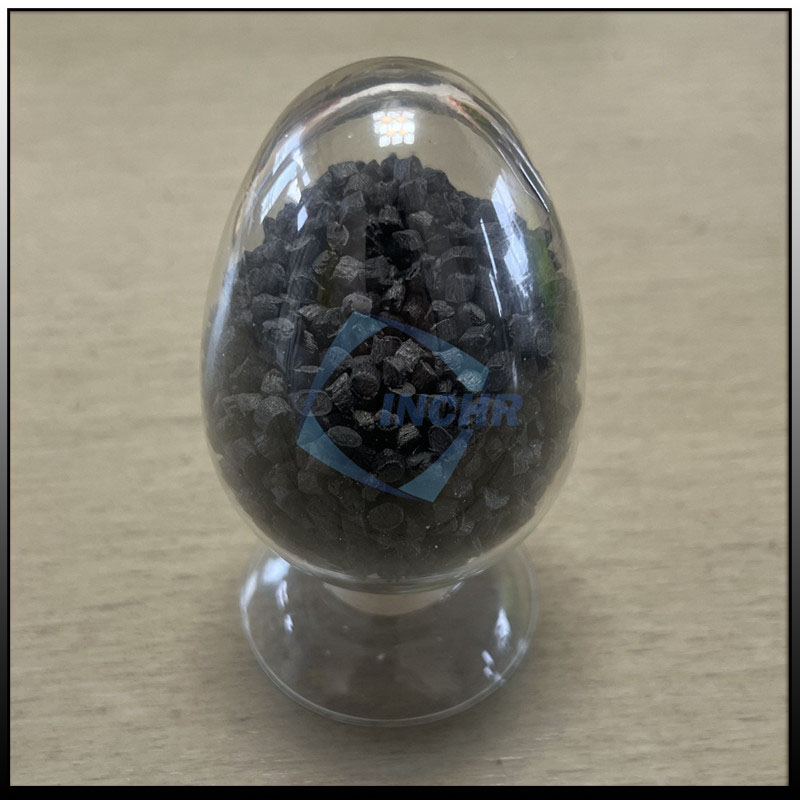
In the world of electronics manufacturing and logistics, the invisible threat of electrostatic discharge (ESD) poses a major risk. A single static spark can damage sensitive components, leading to costly failures, returns, and compromised product reliability. This is where advanced materials like permanent antistatic EVA foam become a critical component of any robust protection strategy.
Unlike standard EVA foam or temporarily treated anti-static sprays, permanent antistatic EVA material is engineered from the inside out. The anti-static agents are compounded directly into the polymer during production. This creates a uniform, permanent static-control foam that maintains its ESD-safe properties throughout its service life, regardless of humidity levels or surface wear. This reliability is non-negotiable for safeguarding high-value circuit boards, semiconductors, and electronic assemblies.

The core function of this material is to safely dissipate static charges. When used in electronics packaging, it prevents charge buildup on both the packaging itself and the protected device. By providing a conductive path, it allows charges to flow away harmlessly, rather than accumulating and creating a potential for a damaging spark. For more information on ESD fundamentals, you can visit the ESD Association website, an authoritative external resource on static control.
Beyond its primary ESD protection, antistatic EVA offers the excellent physical benefits inherent to ethylene-vinyl acetate foam:
Superior Cushioning: It absorbs shock and vibration during transit, providing mechanical protection against physical impacts.
Durable & Moisture-Resistant: It offers excellent long-term performance and protects against environmental factors.
These properties make it an ideal choice not just for end-product packaging, but also for workspace applications such as bench mats, conveyor liners, and tote box inserts within ESD-protected areas (EPAs). For a comprehensive look at our full range of static control solutions, explore our ESD product category page.
Selecting the right antistatic EVA material involves considering surface resistivity (typically in the dissipative range of 10^6 to 10^9 oh/sq), thickness, and color. Manufacturers often offer it in sheet, roll, or custom die-cut forms to create precise cushioned compartments for specific products, ensuring a perfect, protective fit.
In conclusion, for businesses that prioritize the safety and quality of their electronic products, investing in permanent antistatic EVA material is a smart, proactive decision. It combines reliable, lasting static control with superior physical protection, offering a complete packaging and handling solution that mitigates risk, reduces losses, and ensures products arrive in perfect working condition. Contact our team today to discuss your custom requirements and sample needs.