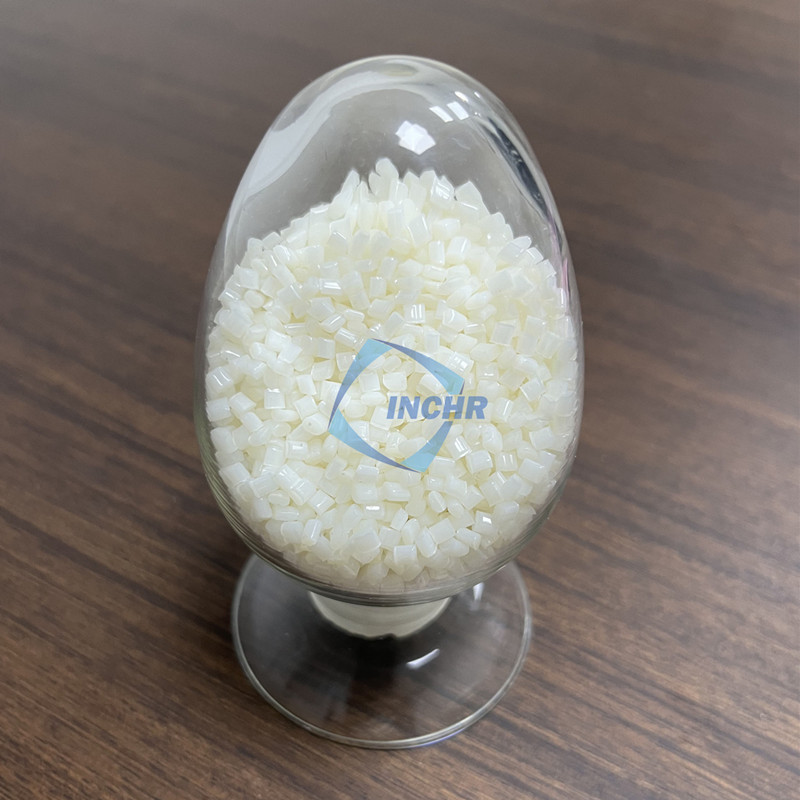
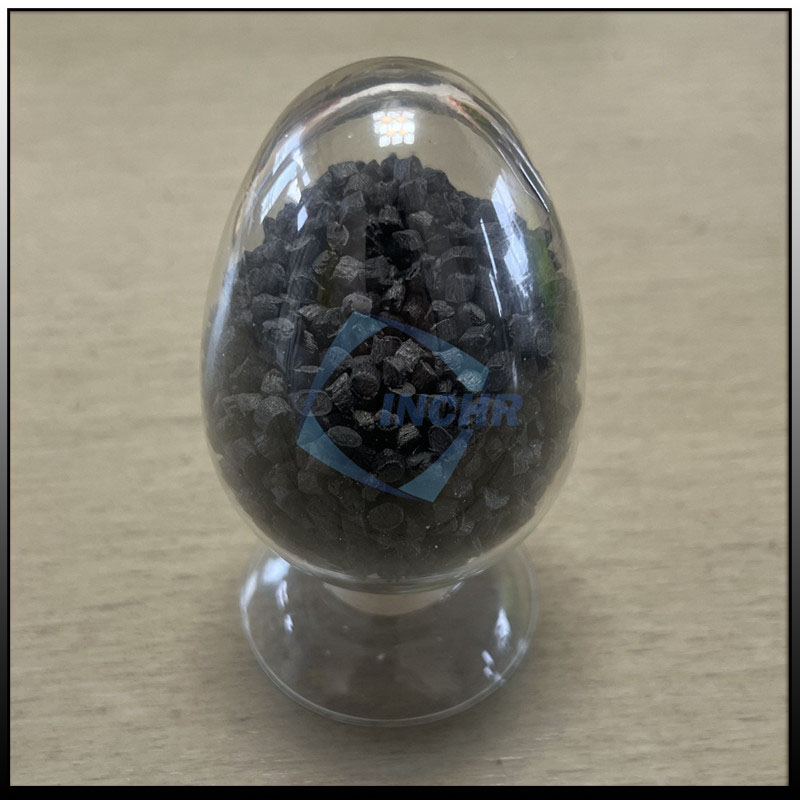
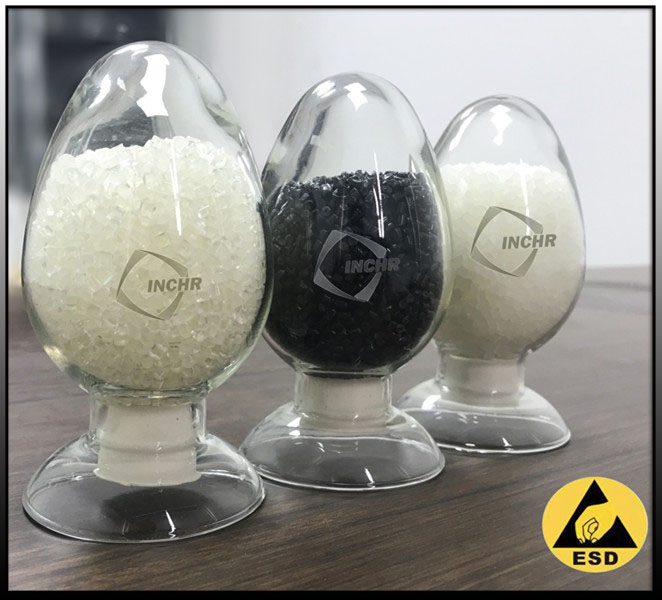
In the relentless pursuit of aerospace advancement, where every gram and every degree Celsius counts, materials are pushed to their absolute limits. At the forefront of this engineering revolution stands injection molded Polyetheretherketone (PEEK), a high-performance thermoplastic uniquely qualified to meet the extreme thermal, mechanical, and chemical demands of modern aviation and space exploration.
Why Extreme Temperature Resistance is Non-Negotiable in Aerospace
Aerospace environments are brutally unforgiving. Components must withstand searing heat from engines and aerodynamic friction, coupled with cryogenic temperatures at high altitudes. Traditional metals, while strong, add significant weight. Conventional plastics fail under thermal stress. This is where PEEK injection molding bridges the critical gap, offering a superior strength-to-weight ratio alongside exceptional thermal stability, with a continuous service temperature up to 250°C (482°F).
Key Aerospace Applications Leveraging PEEK’s High-Temp Performance
1. Engine Compartment Components
Proximity to jet engines requires materials that are lightweight, durable, and incredibly heat-resistant. Injection molded PEEK is used for guide to high-performance plastic manifolds like cable conduits, seals, and bracketry. Its ability to maintain structural integrity while reducing weight directly contributes to enhanced fuel efficiency and lower emissions.

2. Interior & Cabin Systems
Safety is paramount inside the cabin. PEEK’s inherent flame-retardant properties (meeting stringent standards like FAA 25.853) and extremely low smoke and toxic gas emission make it ideal for seat components, air ducting, and interior paneling. It provides a crucial layer of passenger protection without sacrificing design flexibility.
3. Electrical Systems and Wiring
The trend towards More Electric Aircraft (MEA) increases the complexity and density of onboard electrical systems. PEEK’s excellent dielectric strength, even at high temperatures, makes it perfect for SAE International – Aerospace Material Standards insulating sleeving, connector bodies, and backshells. It protects vital circuitry from short circuits in hot zones.
4. Fluid Handling & Manifolds
Aircraft rely on complex systems for fuel, hydraulics, and air. Injection molded PEEK parts, such as Victrex PEEK property data sheet for aerospace seals, valves, and pump components, resist degradation from aggressive fluids and fuels at elevated temperatures, ensuring system integrity and preventing leaks.
The Combined Benefits: More Than Just Heat Resistance
While high-temperature performance is the headline, injection molded PEEK delivers a complete package for aerospace design:
Weight Reduction: Up to 70% lighter than aluminum and 80% lighter than steel, leading to massive fuel savings.
Chemical Resistance: Withstands aviation fuels, hydraulic fluids, and de-icing chemicals.
Mechanical Performance: Retains high tensile strength, stiffness, and excellent fatigue resistance over long-term use.
Manufacturing Efficiency: The precision injection molding services process allows for the creation of complex, net-shape parts with high consistency, reducing assembly time and secondary operations.
Conclusion
Injection molded PEEK has evolved from a specialty polymer to a mission-critical material in aerospace engineering. Its unparalleled ability to perform reliably in extreme high-temperature environments, while simultaneously reducing weight and simplifying assembly, makes it indispensable for next-generation aircraft and spacecraft. As the aerospace industry continues to demand more from materials, PEEK injection molding will remain a vital technology, enabling safer, more efficient, and more innovative flight.