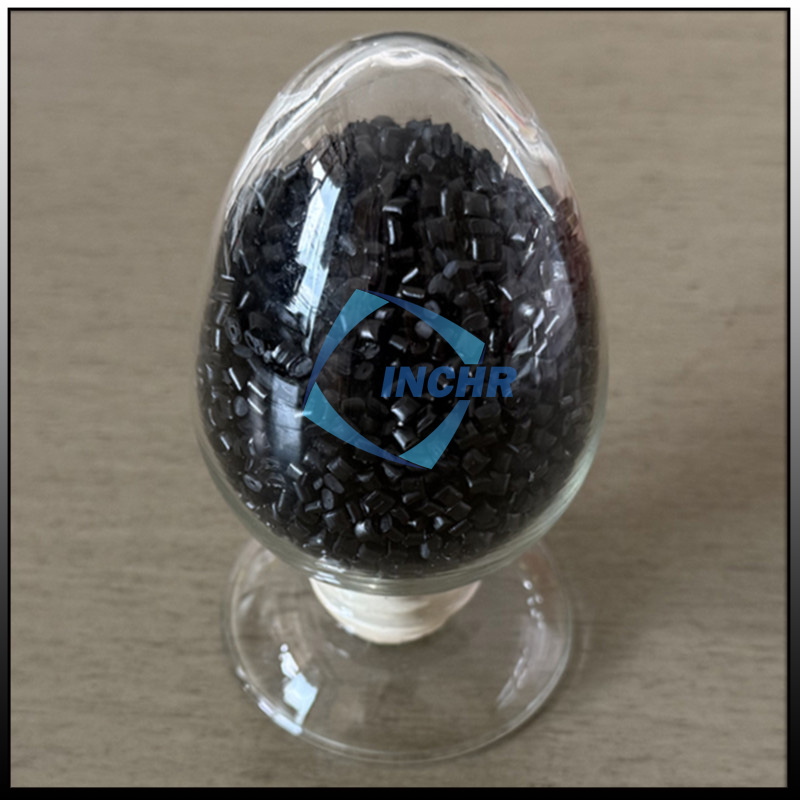
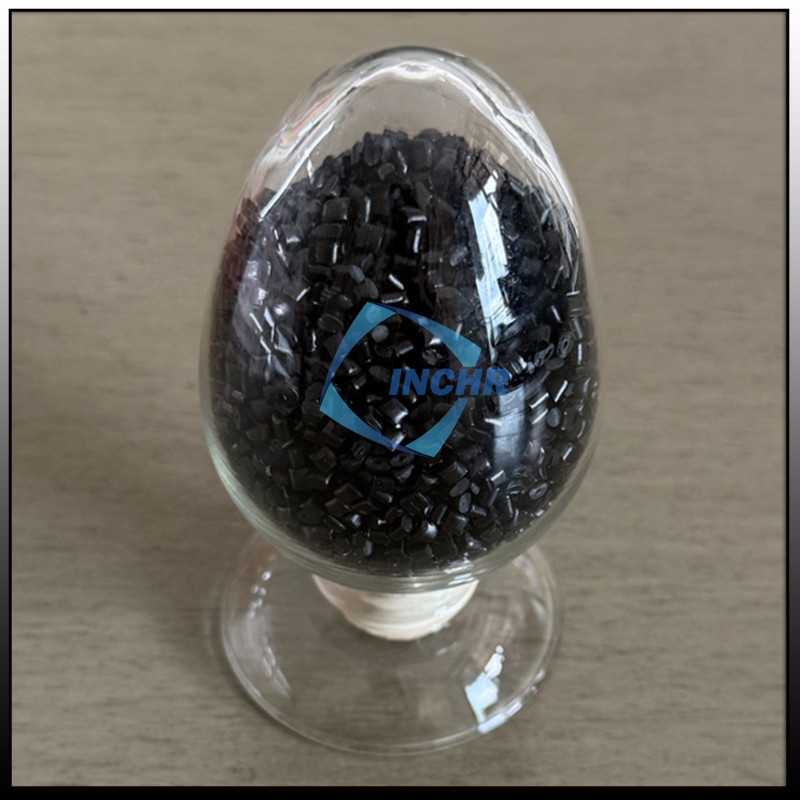
Electrostatic discharge (ESD) is one of the most critical threats to sensitive electronic components and semiconductor devices during manufacturing, handling, and shipping. To ensure product integrity, packaging materials must incorporate reliable ESD protection. ESD protection masterbatch offers an efficient and cost‑effective solution for imparting permanent static‑dissipative properties to plastic packaging used in electronics and semiconductor packaging.
What Is ESD Protection Masterbatch?
ESD protection masterbatch is a concentrated mixture of conductive or static‑dissipative additives dispersed in a carrier resin. When compounded into base polymers such as polycarbonate, ABS, or polypropylene, it creates a three‑dimensional conductive network that allows static charges to dissipate safely. This prevents sudden discharge events that could damage delicate circuitry. Typical applications include injection‑molded trays, tote boxes, vacuum‑formed films, and carrier tapes for electronic components.
Critical Requirements for Semiconductor Packaging
Semiconductor packaging demands extremely low particle generation (low outgassing and sloughing), high purity, and stability across temperature extremes. ESD protection masterbatch designed for this sector meets these stringent requirements. For instance, masterbatch based on carbon nanotubes (CNT) provides excellent conductivity at very low loadings, minimising contamination risks and preserving the mechanical properties of the package. Moreover, these masterbatches are compatible with cleanroom manufacturing protocols.
Types of ESD Masterbatch for Electronics
Three main types of ESD additives dominate the market:
• Conductive Carbon Black: Cost‑effective, widely used, but may impart black colour and some particle shedding.
• Carbon Nanotubes (CNT): Offer high conductivity at low filler content, maintaining surface smoothness and cleanliness – ideal for cleanroom applications.
• Permanent Antistatic Agents: Typically polymeric alloys that migrate to the surface to attract moisture; however, they depend on humidity and may not be suitable for very dry environments.
Each type offers distinct surface resistivity ranges (from 10³ to 10⁹ Ω/sq) suitable for different packaging needs.
Selecting the Right Masterbatch
When choosing an ESD protection masterbatch for electronics and semiconductor packaging, consider the required resistivity level, transparency, mechanical property retention, and regulatory compliance (e.g., ANSI/ESD S20.20, IEC 61340‑5‑1). Additionally, processability – such as melt flow index compatibility – is crucial to ensure uniform dispersion without degrading the base resin. For high‑temperature applications like semiconductor trays, high‑heat resins like PEEK or PEI with appropriate ESD masterbatch may be used.
Applications in Electronics Packaging
ESD protection masterbatch is used to manufacture a wide range of packaging forms:
• Injection‑moulded trays: For IC chips, processors, and MEMS devices.
• Extruded films and bags: Moisture barrier bags with dissipative layers.
• Thermoformed carrier tapes and reels: Essential for surface‑mount device packaging.
• Corrugated totes and bins: For manual handling and transport.
These packages ensure that no damaging electrostatic charge accumulates on surfaces that contact sensitive devices.
Future Trends and Innovations
As electronic components become smaller and more powerful, the need for advanced ESD protection intensifies. Developments in nano‑composite masterbatches and inherently dissipative polymers (IDPs) promise even cleaner, more reliable solutions. The rise of flexible electronics and miniaturised semiconductors will drive demand for ultra‑thin films with embedded ESD functionality. Manufacturers are also focusing on sustainable, recyclable ESD packaging materials to meet environmental goals.
Conclusion
Incorporating the right ESD protection masterbatch into your electronics or semiconductor packaging is not just a precaution – it is a necessity for quality assurance. By understanding the material options and application requirements, you can select a masterbatch that ensures device safety, complies with industry standards, and optimises production efficiency. For tailored advice, contact our technical team.