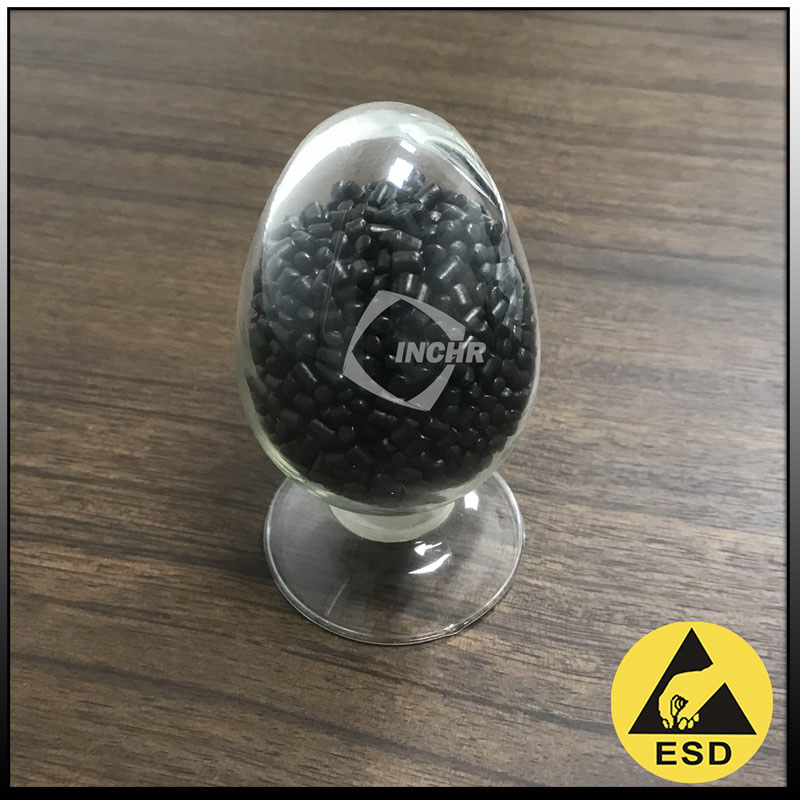
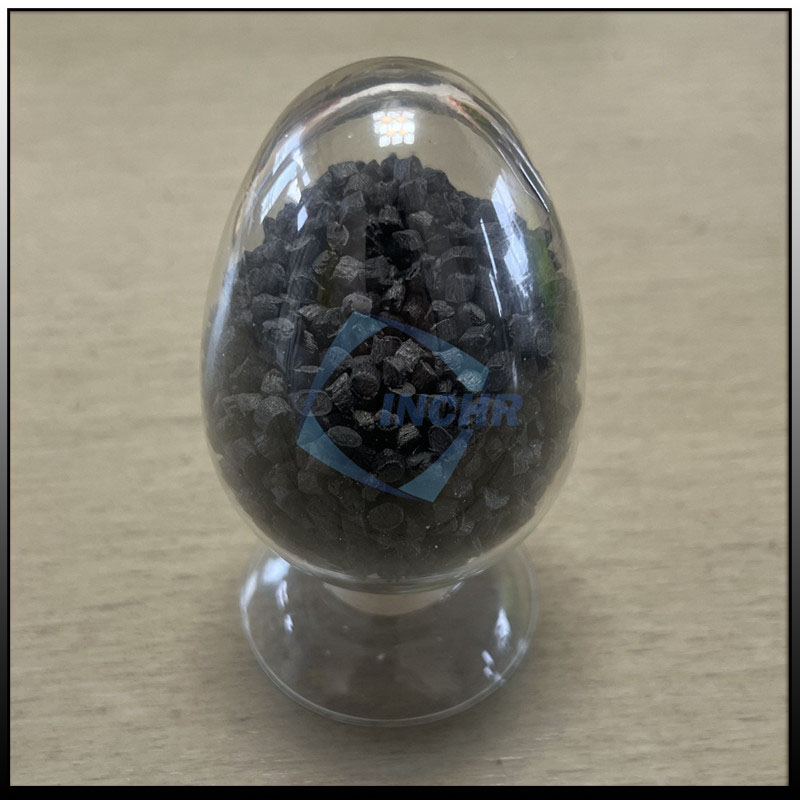
In the world of high-performance plastics, ESD PEEK stands out as a game-changer for industries requiring electrostatic discharge (ESD) protection. With a surface resistivity range of 10⁶-10⁹Ω, this material combines the exceptional properties of PEEK with reliable ESD safety. Let’s dive into why it is a top choice for critical applications.
What is ESD PEEK?
ESD PEEK is a modified version of polyetheretherketone (PEEK), engineered to exhibit electrostatic discharge properties. Unlike standard PEEK, which is an insulator, It incorporates conductive fillers like carbon fibers or nanotubes to achieve a surface resistivity between 10⁶ and 10⁹Ω. This range is ideal for dissipating static charges without becoming conductive.
Why Surface Resistivity Matters
For ESD-sensitive environments, materials with resistivity below 10⁹Ω are essential to prevent damage to electronic components, sparks in flammable settings, or contamination in cleanrooms. It’s resistivity range of 10⁶-10⁹Ω strikes the perfect balance: it safely dissipates charges while maintaining electrical insulation.
Key Applications
Electronics Manufacturing: Ideal for wafer handlers, PCB fixtures, and robotic arms where ESD protection is critical.
Aerospace: Used in components like connectors and housings that require both ESD safety and high mechanical strength.
Medical Devices: Suitable for surgical instruments and imaging equipment that must avoid static buildup.
Automotive industry: To address sensors and connectors exposed to high temperatures and static electric charges.
Advantages
Thermal Stability: Withstands temperatures up to 250°C, outperforming most ESD plastics.
Chemical Resistance: Resists acids, solvents, and oils, making it suitable harsh environments.
Mechanical Strength: Maintains PEEK’s excellent wear resistance and durability propertie.
Cleanroom Compatibility: Generates minimal particles, critical for semiconductor and pharmaceutical industries.
How to Choose the Right ESD PEEK
When selecting ESD PEEK, consider:
Resistivity Consistency: Ensure the material meets 10⁶-10⁹Ω across all batches.
Regulatory Compliance: Look for certifications like ESD S20.20 for quality assurance.
Manufacturing Process: Verify if the material is suitable for machining or injection molding for your project.
For more details on our ESD PEEK products, visit our ESD Plastics Category.
Conclusion
ESD PEEK with surface resistivity of 10⁶-10⁹Ω offers a unique blend of ESD protection and performance. Whether you’re in electronics, aerospace, or medical manufacturing, this material ensures safety and reliability.