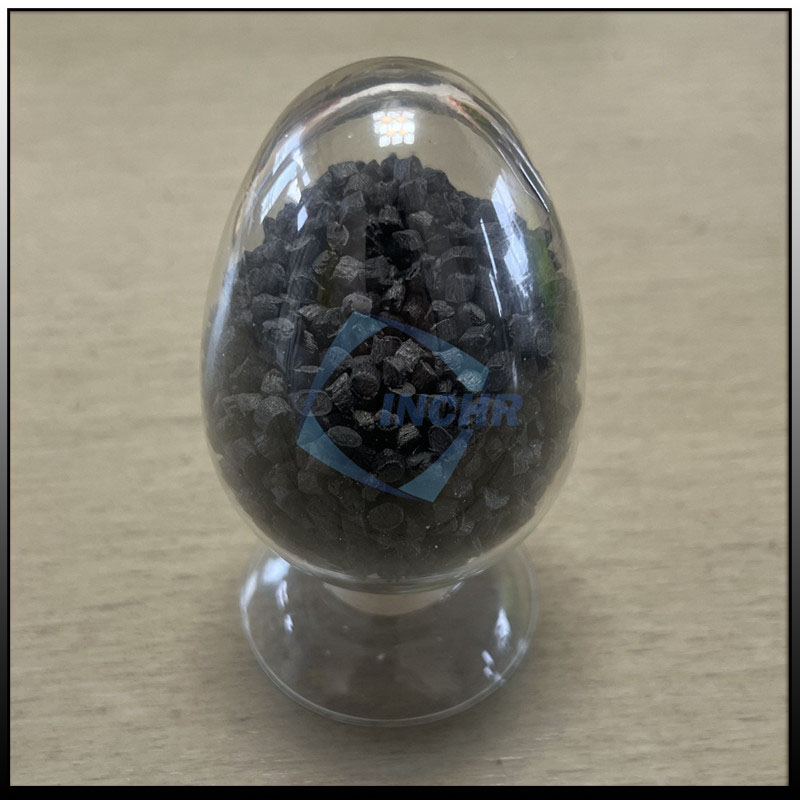
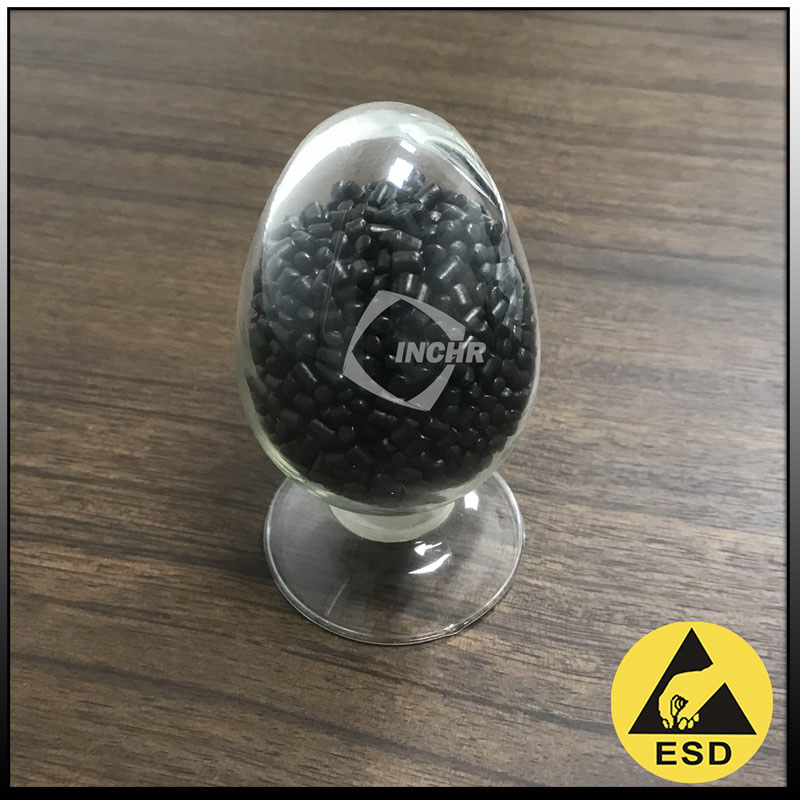
Carbon fiber reinforced nylon PA (CF-PA) has established itself as a standard lightweight structural composite across industrial manufacturing. However, many manufacturers still select CF-PA grades based only on nominal fiber content, without accounting for actual operating conditions such as load type, temperature range and environmental media. This mismatch often leads to premature component failure, unexpected performance degradation or unnecessary cost overhead. Matching CF-PA formulation and fiber content to specific working conditions is critical to achieving reliable long-term performance and optimal total cost of ownership.
The core operating conditions that determine CF-PA grade selection include mechanical load, temperature and environmental exposure. For static structural loads with low impact requirements, higher carbon fiber content delivers greater rigidity and dimensional stability. 30% carbon fiber filled PA66 is the most widely used industrial grade for this scenario, providing nearly double the tensile strength and triple the flexural modulus of pure nylon at a highly competitive cost point. For components subject to frequent impact or cyclic dynamic loads, however, excessively high fiber content will reduce impact toughness and increase fatigue failure risk. In these cases, 20% carbon fiber grade or impact-modified CF-PA formulations are more appropriate, balancing structural stiffness with sufficient impact resistance to withstand repeated mechanical shocks.
Operating temperature is another decisive factor. Standard CF-PA maintains stable performance at continuous operating temperatures up to 120–150°C, covering most general industrial and automotive under-hood scenarios. For applications with intermittent higher temperature exposure, heat-stabilized CF-PA grades with special heat resistance modifiers are recommended to prevent thermal degradation and dimensional drift. For low-temperature operating environments, manufacturers should select grades with improved low-temperature toughness to avoid brittle fracture, as standard carbon fiber filled nylon becomes more brittle at sub-zero temperatures.
Download full CF-PA grade performance datasheets
Environmental media exposure directly affects component service life. CF-PA inherently offers good resistance to oils, greases and most industrial fluids, making it ideal for automotive powertrain components and industrial machinery parts. For components exposed to humid or water-contact environments, hydrolysis-stabilized CF-PA grades are required, as standard nylon resin will absorb moisture over time, leading to dimensional change and reduced mechanical strength. For ESD-sensitive electronic manufacturing environments, specially formulated conductive CF-PA grades provide inherent static dissipation capability, eliminating the need for secondary antistatic coating and protecting sensitive components from electrostatic damage.

Different industry sectors have distinct typical operating conditions that call for targeted CF-PA solutions. In automotive and new energy vehicle manufacturing, under-hood structural brackets, battery housing components and gear parts face combined conditions of vibration, moderate heat and oil exposure. 30% carbon fiber PA66 is the preferred choice for these applications, delivering the required strength, oil resistance and dimensional stability while achieving 70–75% weight reduction compared to steel. For interior structural and decorative parts with lower load requirements, 20% carbon fiber grade offers better surface finish and higher toughness at a lower material cost.
In industrial automation, robotic end effectors, conveyor components and precision fixtures require high stiffness, low weight and good wear resistance to support high-speed continuous operation. 30% carbon fiber PA with self-lubricating modification is the standard solution for these dynamic components, as its low friction coefficient and good fatigue resistance reduce wear and extend maintenance intervals. In electronic manufacturing, ESD-safe CF-PA grades are used for wafer handling trays, test fixtures and assembly tooling, meeting cleanroom requirements for low particle generation and static control.
There are several common pitfalls that manufacturers should avoid when selecting and processing CF-PA. First, blindly selecting the highest fiber content grade rarely delivers optimal value. Higher fiber content increases stiffness but also increases material cost, reduces impact toughness and makes processing more demanding, which can lead to higher defect rates. Second, skipping pre-drying treatment will cause surface defects, bubbles and reduced mechanical strength, as nylon resin is inherently hygroscopic. Proper drying at 80–90°C for 4–6 hours before molding is essential for consistent part quality. Third, failing to conduct small-batch testing under simulated operating conditions often leads to unexpected performance issues in mass production.
In conclusion, optimal CF-PA selection depends on comprehensive evaluation of mechanical load, temperature range, environmental exposure and production volume rather than simply comparing fiber content numbers. By matching material grade to actual operating conditions, manufacturers can achieve reliable component performance, extended service life and optimized total cost. Working with an experienced composite material supplier that provides professional application engineering support helps businesses avoid common selection pitfalls, optimize formulation and processing parameters, and fully unlock the performance potential of carbon fiber reinforced nylon PA components.