Many plastic manufacturers confuse conductive masterbatch and antistatic masterbatch. Although both control static electricity, they differ greatly in resistance range, functional mechanism, appearance and application scenarios. Choosing the wrong additive will cause unqualified products and extra production costs.

1. Surface Resistance Difference (Core Standard)
Surface resistance is the most intuitive distinction between the two masterbatches. Antistatic masterbatch usually keeps resistance between 10⁸ Ω to 10¹¹ Ω. It gently dissipates tiny static charges to avoid dust adsorption and product sticking. In contrast, conductive masterbatch features much lower resistance at 10³ Ω to 10⁷ Ω, which quickly transfers heavy static charges and electric current.
2. Raw Material & Appearance
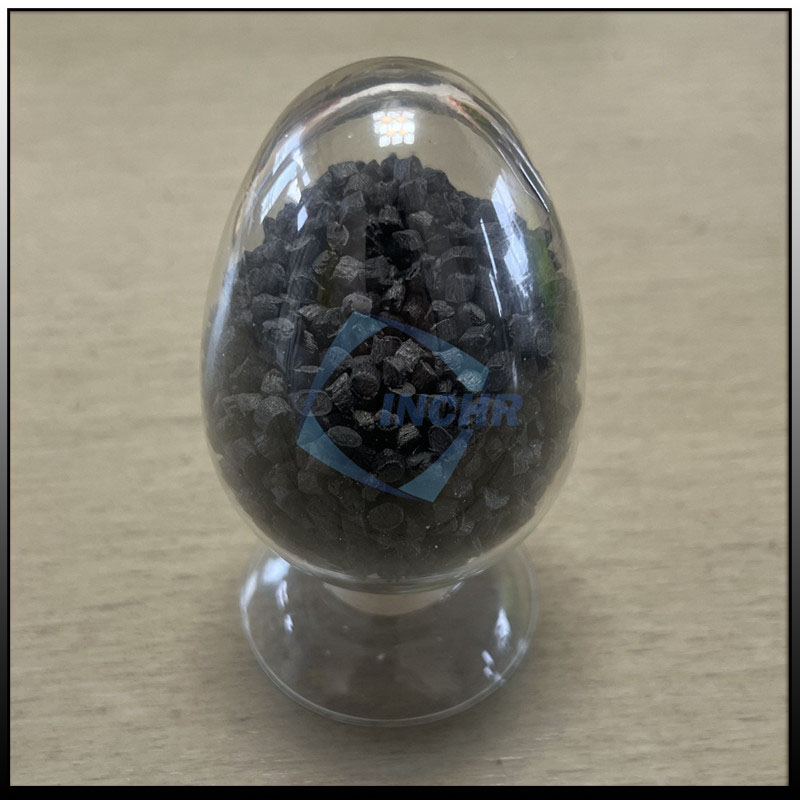
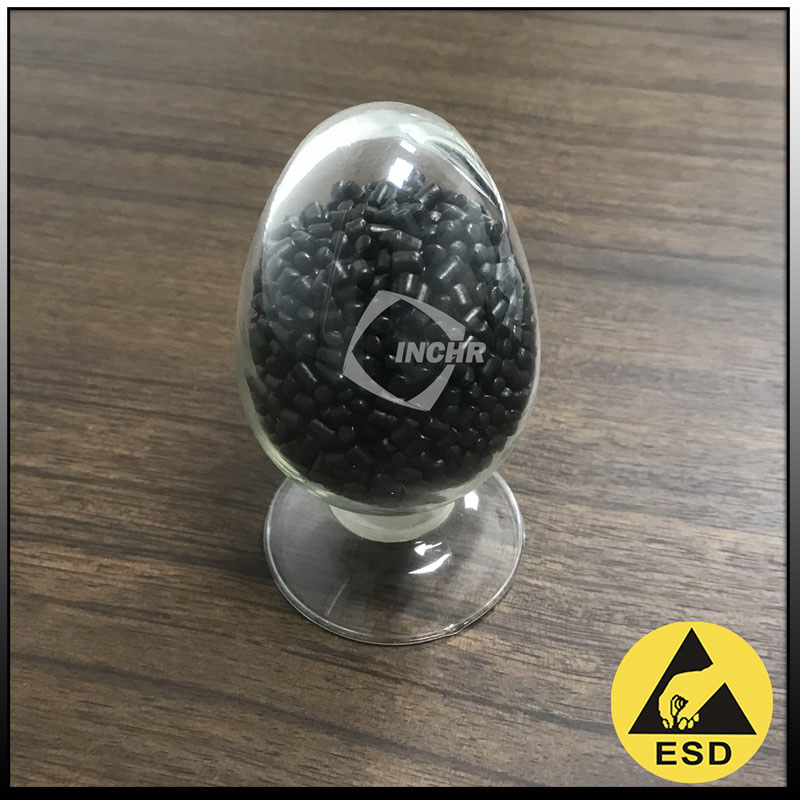
Antistatic masterbatch mostly adopts organic non-carbon formula. It maintains high transparency and original plastic color without black spots. Conductive masterbatch commonly uses carbon black or carbon nanotube fillers, resulting in black or dark finished products with poor transparency.transparent-antistatic-masterbatch
3. Application Industry Classification
Antistatic masterbatch is widely used for ordinary industrial packaging, plastic films, daily containers and common injection parts. Its main goal is to reduce dust and minor static troubles. Conductive masterbatch serves high-standard ESD scenarios, including precision electronic trays, conductive packaging bags and anti-spark industrial components.
4. Usage Limitations & Cost
Antistatic masterbatch has a low addition ratio and affordable cost, suitable for mass daily plastic production. Conductive masterbatch requires higher dosage and expensive conductive fillers, leading to higher production cost. Besides, conductive additives may slightly affect the tensile toughness of plastic materials.
Conclusion
To sum up, antistatic masterbatch is for dust-proof and mild static elimination, while conductive masterbatch is for professional ESD protection. Manufacturers should select grades based on resistance requirements. We provide customized antistatic and conductive masterbatch with ROHS compliance for global bulk orders.