In the world of advanced engineering plastics, injection molded PEEK stands out as a top-tier material for demanding applications. But what exactly is it? PEEK, or polyetheretherketone, is a high-performance thermoplastic known for its exceptional strength, heat resistance, and chemical stability. When processed through injection molding—a method where molten PEEK is injected into a mold to form precise shapes—it becomes a go-to solution for industries requiring reliability under extreme conditions. Let’s break down the material properties and common uses of this versatile polymer.
What is Injection Molded PEEK?
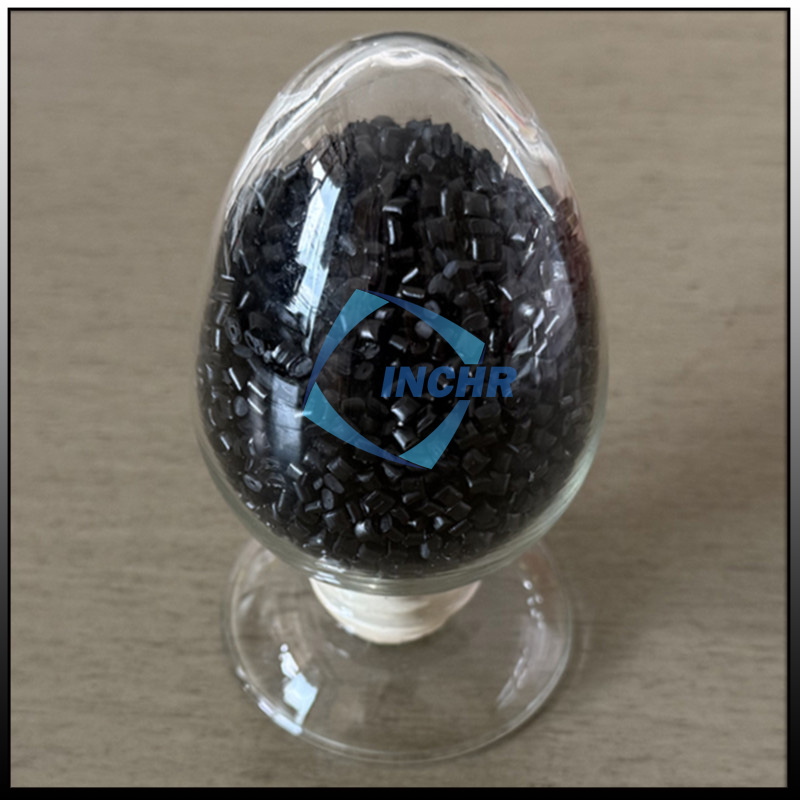
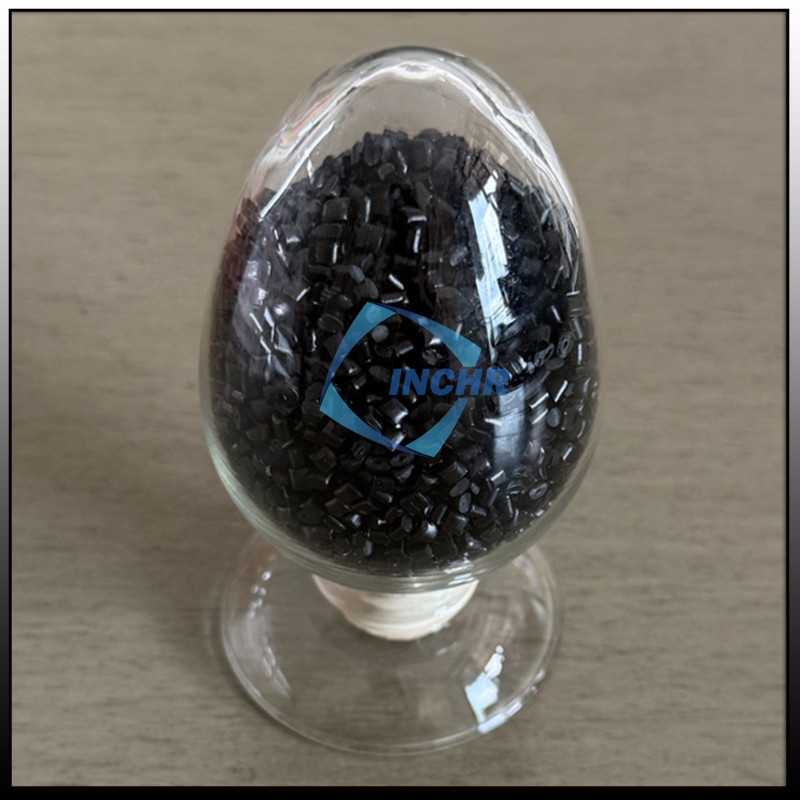
Injection molded PEEK refers to the process of shaping PEEK resin using injection molding techniques. PEEK itself is a semi-crystalline thermoplastic that offers a unique blend of mechanical, thermal, and chemical properties. The injection molding process involves heating PEEK pellets until molten, then injecting them into a custom mold under high pressure. This allows for the mass production of complex, high-tolerance parts with minimal waste. Due to its performance, PEEK is often compared to metals but with the added benefits of lighter weight and corrosion resistance.
Key Material Properties of PEEK
PEEK’s popularity stems from its impressive array of properties, which include:
High-Temperature Resistance: PEEK can withstand continuous temperatures up to 250°C (482°F), making it ideal for harsh environments.
Excellent Mechanical Strength: It offers high tensile and flexural strength, comparable to some metals, while remaining lightweight.
Chemical Resistance: PEEK resists degradation from acids, bases, and hydrocarbons, ensuring longevity in corrosive settings.
Biocompatibility: It is safe for medical applications, as it doesn’t react adversely with bodily tissues.
Low Smoke and Toxicity: In fire scenarios, PEEK emits minimal smoke, enhancing safety in sectors like aerospace.
Common Uses of Injection Molded PEEK
Thanks to its robust properties, injection molded PEEK is used across various high-stakes industries:
Aerospace: Components like seals, bearings, and insulation parts benefit from PEEK’s lightweight and heat-resistant nature.
Medical Devices: It is used in surgical instruments, implantable devices, and dental tools due to its sterilizability and biocompatibility.
Automotive: In engines and transmissions, PEEK parts reduce weight and improve fuel efficiency while handling high temperatures.
Electronics: Connectors and insulators made from PEEK ensure reliability in demanding electrical applications.

Advantages of Choosing Injection Molded PEEK
Opting for injection molded PEEK offers several benefits:
Design Flexibility: The molding process allows for intricate geometries and custom shapes.
Cost-Effectiveness: High-volume production reduces per-part costs over time.
Durability: Parts last longer in tough conditions, lowering maintenance needs.
Eco-Friendly: PEEK is recyclable, supporting circular economy initiatives.
Conclusion
Injection molded PEEK is a powerhouse material that combines superior properties with versatile applications. From aerospace to healthcare, it enables innovations that demand precision and resilience. As technology evolves, injection molded PEEK will continue to play a crucial role in pushing the boundaries of engineering. For those exploring high-performance materials, understanding PEEK is a step toward smarter, efficient designs.
In summary, whether you’re designing a medical device or an automotive component, PEEK’s injection molded form offers a reliable solution. Dive deeper into its potential by consulting expert guides and industry standards.