Introduction To CNT Masterbatch For EVA
In the field of modifying antistatic and conductive polymer materials, carbon nanotube (CNT) masterbatches, with their excellent conductive network construction capabilities, have become a high-performance alternative to traditional carbon black and graphene masterbatches. Compared to directly adding carbon nanotube powder, the masterbatch form effectively solves pain points such as poor powder dispersibility, dust pollution, and insufficient compatibility with substrates. Especially in the field of antistatic and conductive modification of EVA foam materials, carbon nanotube masterbatches demonstrate unique technological advantages.
Core Components Of CNT Masterbatch For EVA
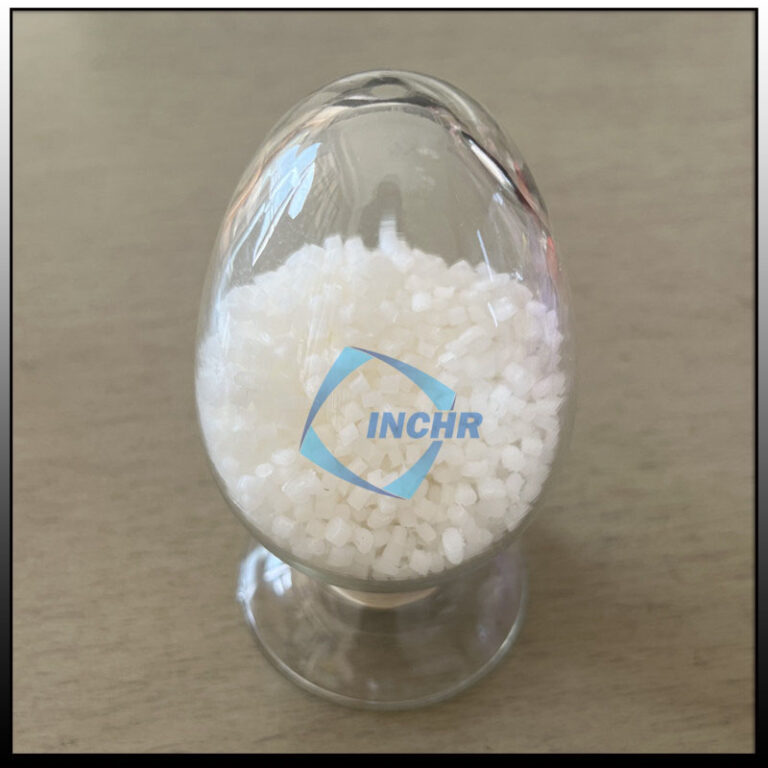
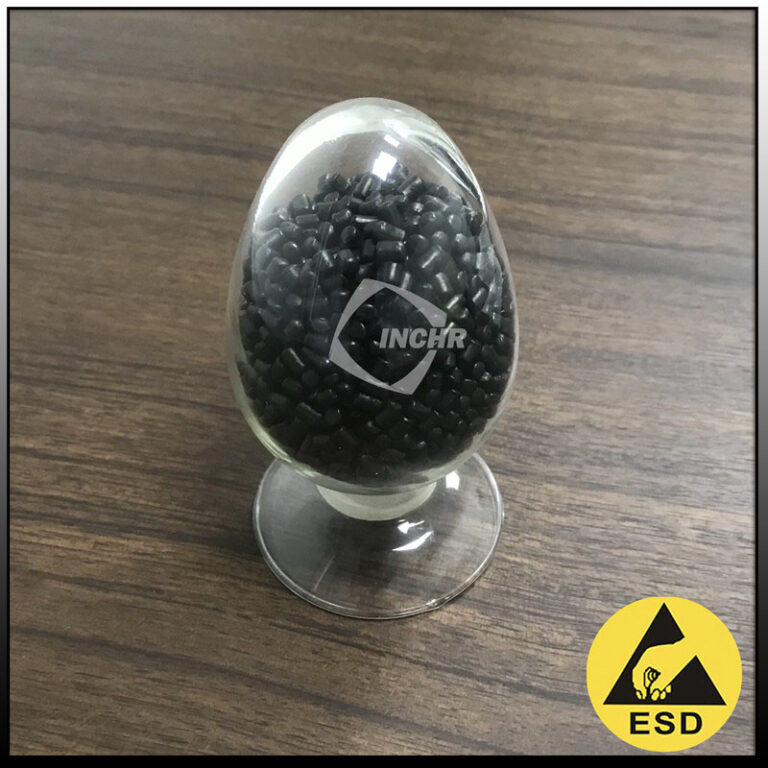
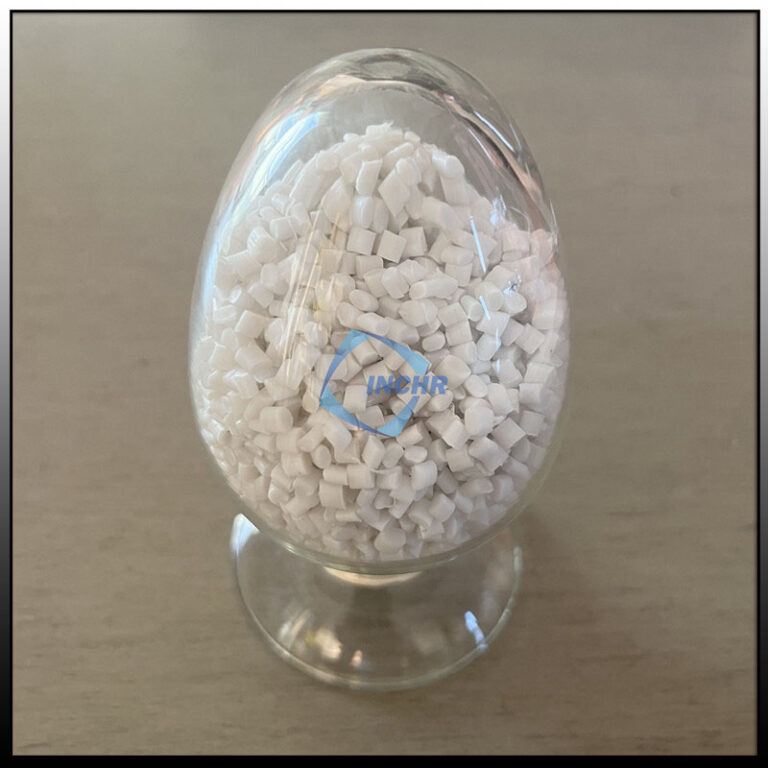
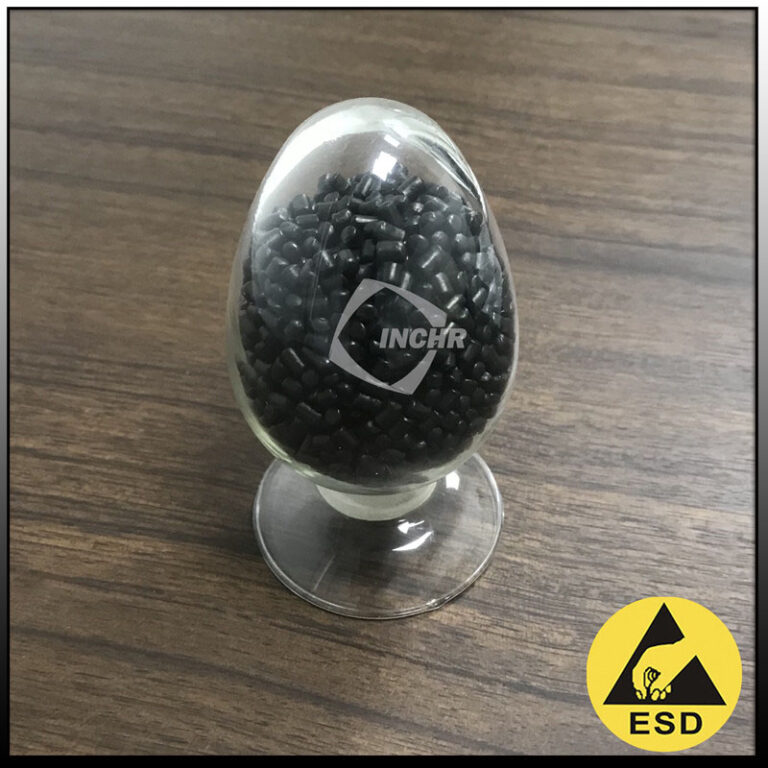
Carbon nanotube masterbatch is a functional composite masterbatch. Its formulation system must balance dispersibility, compatibility, and functionality, and it mainly consists of four core components:
- Core Functional Phase – Carbon Nanotubes
As the conductive core of the masterbatch, the diameter, aspect ratio, and purity of the carbon nanotubes directly determine the conductivity of the masterbatch. Industrial-grade carbon nanotube masterbatches mostly use multi-walled carbon nanotubes (MWCNTs), with diameters concentrated in the 10-20 nm range, aspect ratios ≥1000, and purity ≥95% (after removing catalyst impurities and amorphous carbon). High aspect ratio carbon nanotubes can form a “percolation network” in the substrate, achieving high conductivity with low addition levels. This characteristic is particularly crucial for EVA foaming materials, preventing the destruction of foaming ratio and cell structure caused by high filler additions.
- Carrier Resin
The carrier resin is the matrix of the masterbatch and must be in the same system or highly compatible with the target modified substrate to ensure rapid dispersion of the masterbatch during melt blending. For the modification requirements of EVA foam materials, EVA resins with a VA content of 18%-28% are preferred as carrier resins. This matches the polarity and melting temperature of the EVA foam substrate, ensuring uniform dispersion of carbon nanotubes in the foaming system. For modification of conventional general-purpose substrates, carrier resins such as polypropylene (PP), polyethylene (PE), nylon (PA), polycarbonate (PC), and ABS can be used.
- Dispersants
Dispersants are key to solving the problem of carbon nanotube agglomeration. Commonly used types include fatty acid amides, polyethylene waxes, EVA waxes, and polymer grafts (such as maleic anhydride-grafted EVA). For EVA foaming systems, maleic anhydride-grafted EVA dispersants have the best compatibility. Through wetting, penetration, and exfoliation, they can break down carbon nanotube aggregates into single or bundled structures, uniformly dispersing them in the carrier resin and avoiding conductivity fluctuations and cell defects caused by agglomeration.
- Additive System
To optimize the processing performance and stability of the masterbatch, a small amount of additives is required: antioxidants (such as 1010 and 168) to prevent resin thermal oxidative degradation during processing; lubricants (such as zinc stearate) to reduce friction between the masterbatch and equipment, improving processing fluidity; coupling agents (such as silane coupling agent KH550) to enhance the interfacial bonding between carbon nanotubes and the resin matrix, improving the mechanical properties of the modified material; for EVA foaming modification scenarios, a small amount of foaming aids can also be added to synergistically adjust the pore size and distribution, ensuring a balance between the resilience and conductivity of the foamed material.
Applicable Substrates For CNT Masterbatch EVA
The compatibility of carbon nanotube masterbatches must adhere to the core principle of “carrier resin and substrate being of the same type.” Differences in molecular structure and melt index among different substrates determine the selection direction of the masterbatch. Specific compatibility is as follows:
- Specific Compatibility for EVA Foaming Substrates
EVA foaming materials are widely used in shoe midsoles, antistatic packaging linings, conductive foam pads, etc. The selection of carbon nanotube masterbatches should focus on the VA content and melt index of the EVA substrate:
- For EVA substrates with a VA content of 18%-22% and a melt index of 1.5-3g/10min (commonly used in shoe midsoles), using carbon nanotube masterbatches with the same VA content as the EVA carrier, an addition of 1%-3% can achieve an antistatic effect with a surface resistivity of 10⁶-10⁹Ω, and a foaming ratio of 15-20 times, with uniform and fine pores.
- For EVA substrates with a VA content of 24%-28% and a melt flow index of 5-10 g/10 min (commonly used in packaging linings), adding 2%-4% masterbatch can achieve a surface resistivity of 10³-10⁵Ω while ensuring the material’s flexibility and cushioning properties.
- During processing, the blending temperature between the masterbatch and the EVA substrate must be controlled at 100-110℃ to avoid damage to the carbon nanotube structure caused by high temperatures. It also needs to be synergistically formulated with a foaming agent (such as AC foaming agent) to prevent carbon nanotube agglomerates from hindering cell growth.
- Other General Plastic Substrates
- Polypropylene (PP): Suitable for homopolymer PP (such as T30S) and copolymer PP (such as K8003). PP carrier carbon nanotube masterbatch is recommended, suitable for making antistatic turnover boxes and conductive films.
- Polyethylene (PE): Covering HDPE (e.g., 5000S), LDPE (e.g., 2426H), and LLDPE (e.g., 7042), compatible with PE carrier masterbatches for conductive pipes, packaging films, and cable sheaths.
- Polystyrene (PS): Compatible with HIPS and GPPS substrates, using PS carrier masterbatches for antistatic modification of electronic and electrical enclosures.
Advantages of CNT Masterbatch For EVA
Compared to traditional conductive fillers (carbon black, graphite) and carbon nanotube powders, carbon nanotube masterbatches have significant advantages in both technology and application, especially in the field of EVA foaming modification:
- High conductivity, low addition amount: The high aspect ratio of carbon nanotubes allows them to form a “point-to-line” conductive network in the substrate, increasing conductivity by more than 10 times compared to the “point-to-point” network of carbon black. 1. **In EVA foam materials, only 1%-4% of the carbon nanotubes are needed to achieve antistatic or conductive properties, far lower than the 10%-20% required for carbon black. This effectively avoids problems such as decreased foaming ratio and cell collapse caused by high filler addition.**
- Excellent Dispersibility and Stability:** During masterbatch production, the strong shearing action of a twin-screw extruder, combined with the synergistic effect of the dispersant, achieves uniform dispersion of carbon nanotubes. Compared to directly adding powder, masterbatch exhibits superior dispersibility, and the conductivity fluctuation of the modified material can be controlled within ±1 order of magnitude. For EVA foam systems, uniformly dispersed carbon nanotubes do not damage the cell structure, ensuring the consistency of the foam material’s appearance and mechanical properties.
- Convenient Processing and Environmentally Friendly:** The carbon nanotube masterbatch is granular, avoiding dust pollution associated with powder addition and improving the workshop operating environment. Furthermore, the mixing of masterbatch and substrate requires no pre-dispersion and can be directly fed into extruders and internal mixers, simplifying the processing flow and reducing equipment wear. For continuous production of EVA foam, the masterbatch can be directly blended and granulated with EVA particles, foaming agents, and crosslinking agents, adapting to existing foaming production lines without requiring additional equipment modifications.
- Balancing Mechanical and Functional Properties: Traditional carbon black modification leads to a decrease in the tensile strength and resilience of EVA foam materials. However, in carbon nanotube masterbatches, the interfacial bonding between carbon nanotubes and the resin matrix is stronger. At low addition levels, the tensile strength and resilience of the modified EVA foam material are essentially maintained at the original level of the base material. Some grafted carbon nanotube masterbatches can even improve the tear resistance of the material, achieving a balance between functionality and mechanical properties.