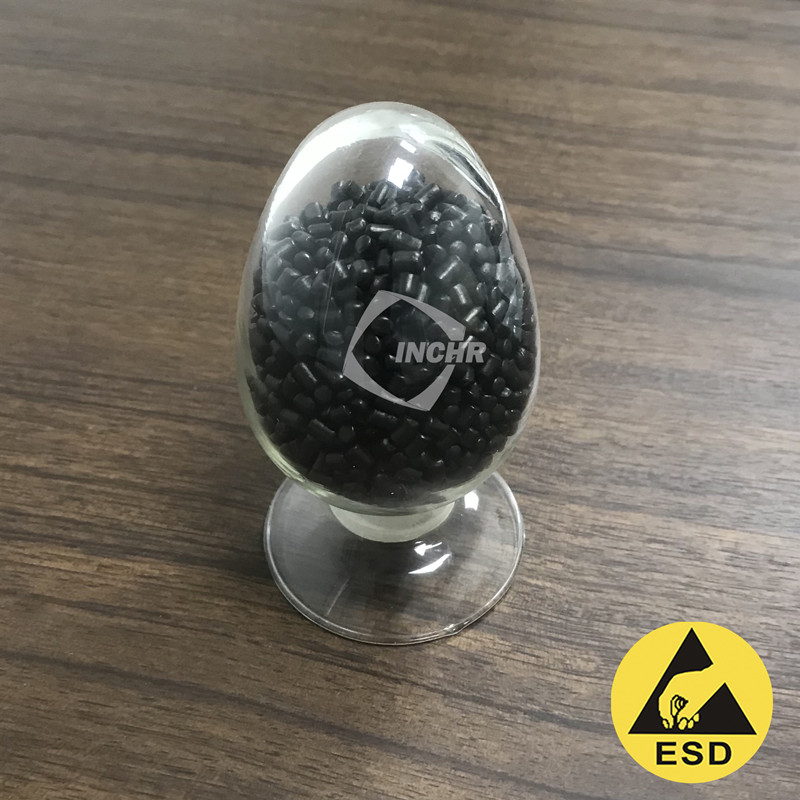
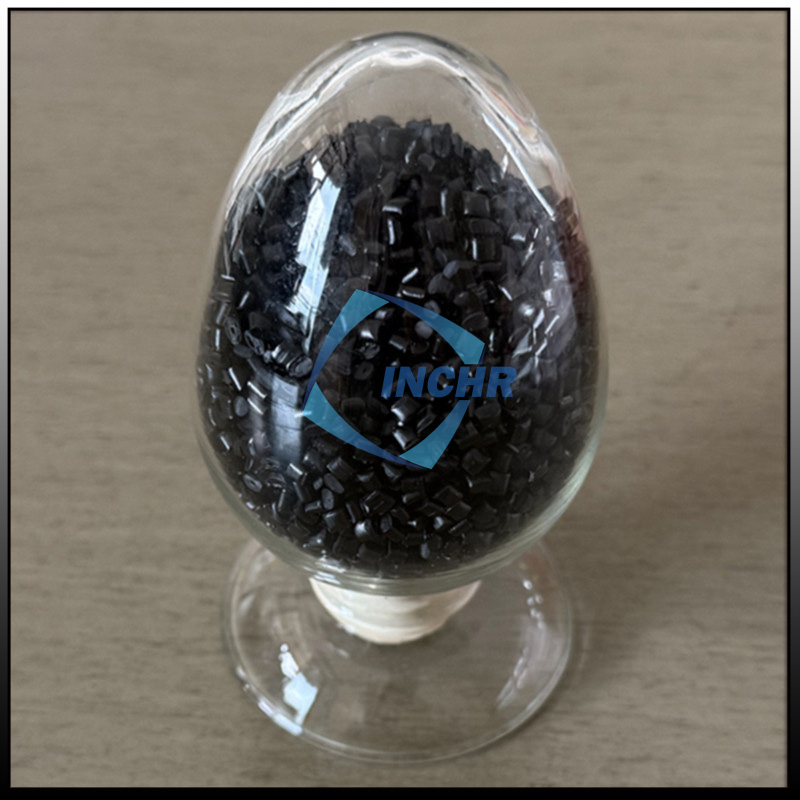
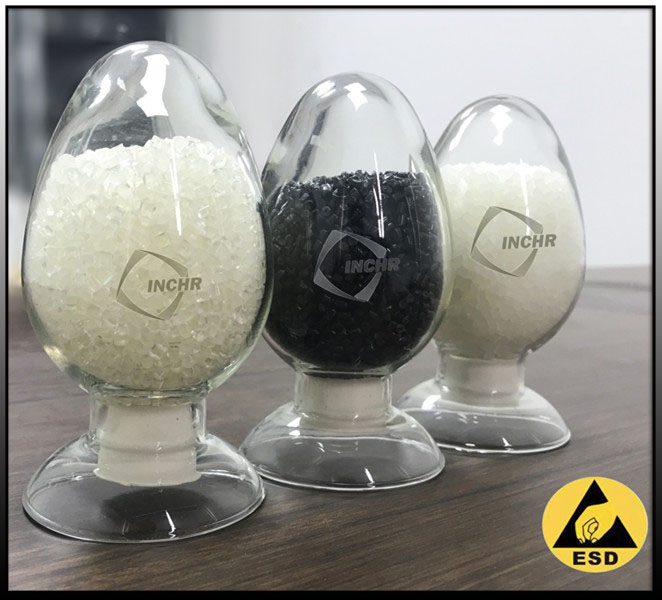
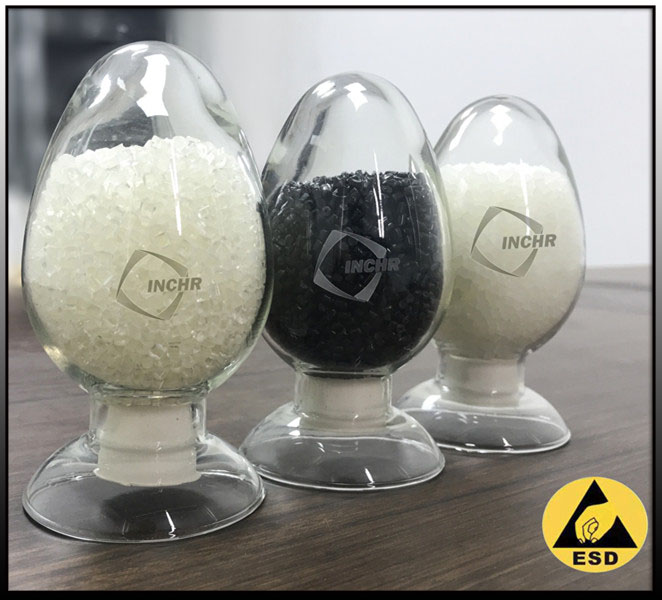
In an era where electronic devices and precision manufacturing dominate, ESD plastics (Electrostatic Discharge Plastics) have emerged as a critical solution to mitigate the risks of electrostatic discharge. These specialized materials are engineered to safely dissipate static charges, protecting sensitive components and ensuring operational safety across industries. Below, we explore the science, applications, and advancements in ESD plastics, with a focus on how they drive innovation in manufacturing and electronics.
Understanding ESD Plastics
ESD plastics are formulated to prevent the accumulation of static electricity, which can damage electronic components, ignite flammable environments, or disrupt sensitive processes. Unlike conventional plastics that act as insulators, ESD plastics offer controlled conductivity, allowing charges to flow harmlessly to ground. Key characteristics include:
- Surface Resistivity: Ranging from 10³ to 10¹² Ω/sq, depending on the grade (e.g., antistatic, conductive, or EMI shielding) .
- Material Composition: Incorporate conductive fillers like carbon black, carbon nanotubes, or stainless steel fibers, or permanent antistatic agents that ensure long-term stability .
- Compliance: Meet international standards such as IEC 61000-4-2 (ESD immunity) and ANSI/ESD S20.20 (electrostatic control programs) .
Applications Across Industries
ESD plastic are indispensable in sectors where static control is non-negotiable:
- Electronics & Semiconductor Manufacturing
- Protection of Sensitive Components: ESD plastics are used in packaging, trays, and workbench surfaces to shield microchips, PCBs, and sensors from electrostatic damage. For example, Semitron™ ESd 410C (PEI material) by Mitsubishi Chemical is designed for semiconductor handling, offering high heat resistance and dimensional stability .
- Automation & Robotics: Conductive plastics in robotic arms and conveyor systems prevent charge buildup during high-speed operations .
- Medical Technology
- Sterile Environments: Antistatic plastics in surgical instruments, drug delivery devices, and cleanroom equipment reduce the risk of contamination and electrostatic interference .
- Biocompatibility: INCHR’s ESD plastics, formulated without carbon components, eliminate powder loss—a critical feature for medical applications .
- Automotive & Aerospace
- Electrical Systems: ESD plastics in connectors, wiring harnesses, and battery components prevent short circuits and electromagnetic interference .
- Aerospace Safety: In aircraft interiors and fuel systems, ESD materials minimize the risk of sparks in explosive environments .
- Industrial & Consumer Goods
- Packaging Solutions: ESD films and containers protect electronics during transportation, while anti-static coatings on consumer goods like smartphones prevent dust attraction .
- Workplace Safety: Flooring, chairs, and tool handles made from ESD plastics reduce static-related accidents in factories and labs .
Advantages of ESD Plastic
- Cost-Effective Protection
While ESD plastics may have higher upfront costs, they reduce long-term expenses by minimizing component damage, production downtime, and compliance failures . For instance, INCHR’s permanent antistatic masterbatch offers a 25% cost saving compared to competitors . - Customization & Versatility
ESD plastics can be tailored for specific needs:- Resistance Levels: From antistatic (10⁹–10¹² Ω) to conductive (10³–10⁵ Ω) grades .
- Processing Flexibility: Suitable for injection molding, extrusion, and 3D printing (e.g., PLA-ESD for eco-friendly, high-precision applications) .
- Aesthetics & Functionality: Available in various colors and with added properties like flame resistance or chemical durability .
- Sustainability
The industry is moving toward recyclable and bio-based ESD materials. For example, INCHR’s antistatic grades use non-carbon additives, reducing environmental impact while maintaining performance.
Industry Trends & Future Innovations
- Smart ESD Solutions
Integration of sensors and IoT technology into ESD plastics enables real-time monitoring of electrostatic levels, enhancing predictive maintenance and safety . - Advanced Materials
- Nanocomposites: Graphene and carbon nanotube-reinforced plastics offer superior conductivity and mechanical strength .
- High-Temperature Resistant Grades: Materials like PEEK-ESD withstand extreme conditions in automotive and aerospace applications .
- Regulatory Compliance
Stricter standards, such as the updated IEC 61000-4-2:2025, emphasize waveform accuracy and air discharge testing, driving demand for high-performance ESD solutions .
Choosing the Right ESD Plastic
To select the optimal material:
- Assess Requirements: Determine the required surface resistivity, environmental conditions (e.g., temperature, chemicals), and industry standards.
- Evaluate Suppliers: Partner with manufacturers like INCHR, which offer rapid prototyping, cost-effective formulations, and global certifications .
- Test Performance: Ensure materials meet rigorous testing protocols, such as those outlined in ANSI/ESD S20.20 .
Conclusion
ESD plastics are not just materials—they are enablers of modern technology. By combining conductivity, durability, and sustainability, they empower industries to innovate safely. As demand grows for smarter, greener solutions, ESD plastics will remain at the forefront of static control, driving efficiency and reliability across sectors.
For cutting-edge ESD plastic solutions tailored to your needs, visit INCHR ESD and explore our range of antistatic, conductive, and EMI shielding materials.