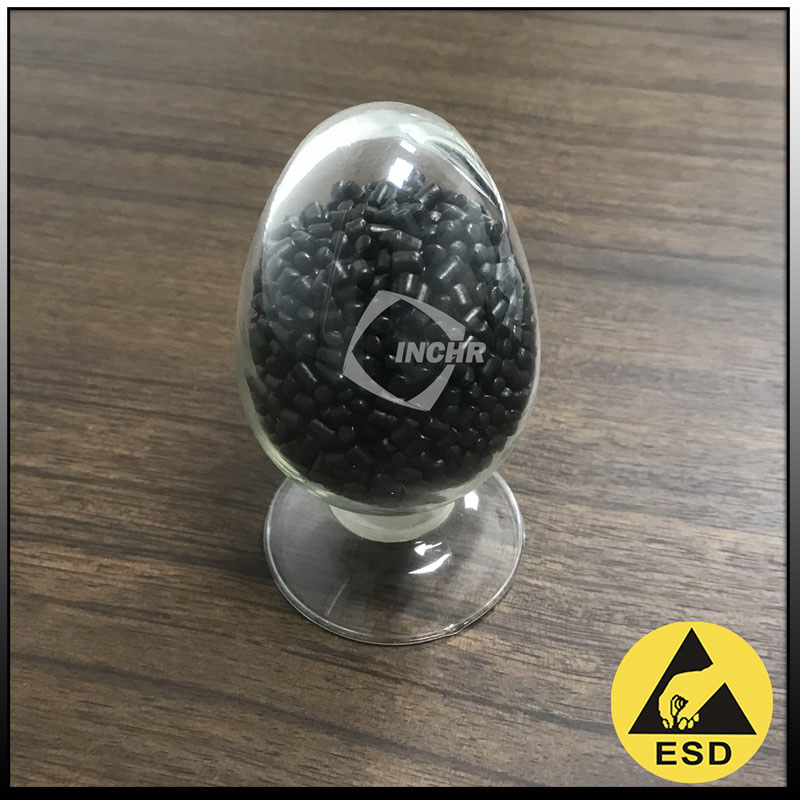
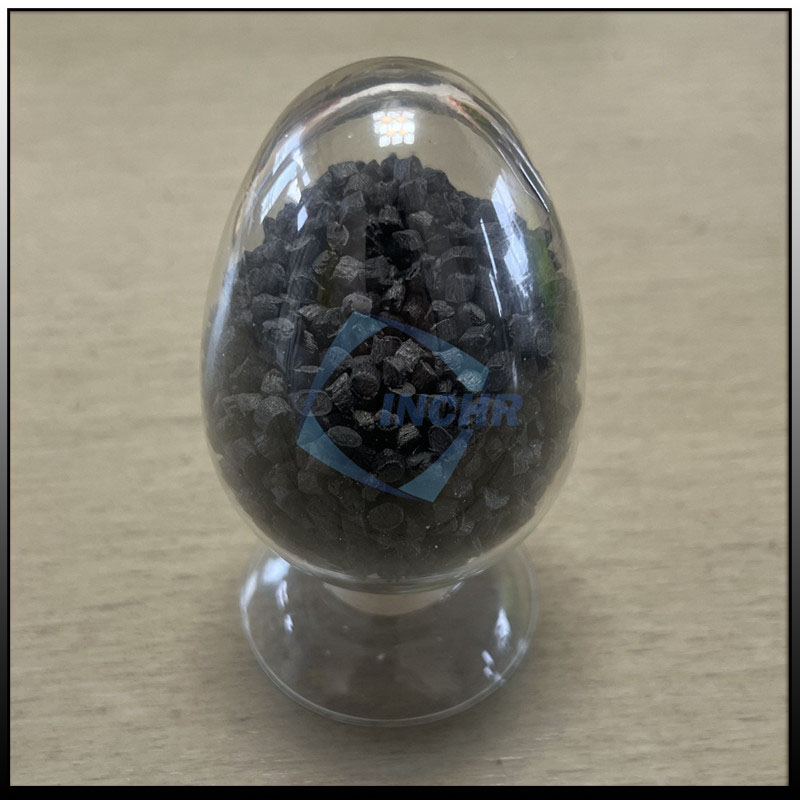
What Is Conductive Masterbatch?
Conductive masterbatch is a concentrated mixture of electrically conductive materials, additives, and a polymer carrier. It is designed to improve the electrical conductivity of plastic products during processing. By incorporating conductive masterbatch into a compatible base resin, manufacturers can produce plastic components with controlled electrical properties for applications requiring electrostatic discharge (ESD) protection or electrical conductivity.
Unlike conventional plastics, which typically have high electrical resistance, conductive plastics can help dissipate static electricity or provide conductive pathways, depending on their formulation.
Conductive masterbatch is widely used in electronics packaging, industrial components, automotive parts, and other applications where static control and electrical performance are important.
How Does Conductive Masterbatch Work?
Conductive masterbatch introduces conductive fillers into a polymer matrix. Common conductive materials include carbon black, carbon fibers, and certain advanced carbon-based materials.
When the filler concentration and distribution are properly controlled, conductive particles can form interconnected pathways within the plastic. These pathways allow electrical charges to move through the material more readily.
The final electrical performance depends on several factors:
- Conductive filler type: Different fillers provide different conductivity levels and mechanical characteristics.
- Filler concentration: The amount of conductive material influences electrical performance and processability.
- Polymer compatibility: The carrier resin should be compatible with the base polymer.
- Dispersion quality: Uniform filler distribution helps achieve consistent material properties.
- Processing conditions: Mixing, extrusion, molding, and other processing parameters can affect the final result.
Selecting the right formulation requires balancing conductivity, mechanical strength, appearance, and manufacturing efficiency.
Common Types of Conductive Masterbatch
Different conductive masterbatch formulations are designed for different performance requirements. The appropriate option depends on the target application and the base resin.
| Type | Main Characteristics | Typical Applications |
|---|---|---|
| Carbon black conductive masterbatch | Common conductive filler with flexible formulation options | ESD packaging, trays, containers, industrial parts |
| Carbon fiber conductive masterbatch | Can improve electrical conductivity and mechanical reinforcement | Industrial housings, structural components, engineering plastics |
| Graphene-based conductive masterbatch | Uses graphene-based materials to support conductive performance | Specialized engineering plastics and advanced material applications |
| Antistatic masterbatch | Helps reduce static charge accumulation | Packaging films, consumer products, general-purpose plastic components |
| Permanent antistatic masterbatch | Designed to provide longer-lasting antistatic performance when properly formulated | Electronic packaging and plastic components requiring durable static control |
Note: Antistatic and conductive masterbatches are not interchangeable in every application. Their electrical performance should be verified against the product’s specifications and testing requirements.
Key Benefits of Conductive Masterbatch
1. Improved Static Control
Conductive masterbatch can help reduce the risks associated with electrostatic charge accumulation. This is particularly important when manufacturing or handling electronic components and sensitive industrial products.
2. Adjustable Electrical Performance
Formulations can be tailored to achieve different electrical properties. Manufacturers should specify their target surface resistivity, volume resistivity, or other relevant electrical requirements before selecting a material.
3. Compatibility With Plastic Processing
Conductive masterbatch can be incorporated into compatible polymer systems through processes such as extrusion and injection molding. The recommended addition rate depends on the formulation, resin, and required performance.
4. Potential Mechanical Reinforcement
Some formulations, particularly carbon fiber reinforced compounds, can improve stiffness or other mechanical properties. Actual performance depends on the filler, polymer matrix, and processing conditions.
5. Formulation Flexibility
Conductive masterbatch allows manufacturers to develop plastic products for specific requirements, including ESD control, conductivity, mechanical performance, and processing efficiency.
Major Applications of Conductive Masterbatch
Conductive masterbatch serves a broad range of industries where electrical properties and material reliability matter.
| Industry | Example Applications | Key Requirement |
|---|---|---|
| Electronics | Component trays, protective packaging, equipment housings | Static control and component protection |
| Automotive | Selected interior components and electronic housings | Electrical performance and durability |
| Industrial manufacturing | Material-handling components, machine parts, equipment housings | Reliable static management |
| Packaging | ESD bags, trays, containers, and other plastic packaging | Controlled electrical properties |
| Engineering plastics | Custom molded parts and specialized plastic components | Conductivity combined with mechanical performance |
For sensitive electronic applications, the required electrical properties should be determined from the actual use environment and applicable industry standards rather than from the material name alone.
carbon fiber reinforced compounds.
How to Choose the Right Conductive Masterbatch
Choosing a suitable conductive masterbatch involves more than comparing prices. Buyers should evaluate technical requirements, polymer compatibility, production conditions, and supplier capabilities.
Define the Required Electrical Properties
Identify whether the application needs antistatic behavior, static dissipation, or electrical conductivity. These requirements involve different performance ranges and should be confirmed through appropriate testing.
Confirm Polymer Compatibility
The carrier resin must work with the base material, such as PP, PE, ABS, or a suitable engineering plastic. Compatibility can influence dispersion, processing stability, and final product performance.
Evaluate Mechanical and Processing Requirements
Conductive fillers may affect impact strength, stiffness, surface appearance, melt flow, and processing behavior. Request technical data and trial samples before finalizing the formulation.
Check Quality Control and Technical Support
A reliable manufacturer should be able to provide relevant technical documentation, discuss formulation requirements, and support testing and production trials. Consistency between batches is also important for large-scale manufacturing.
Consider Total Production Cost
Evaluate the addition rate, processing efficiency, rejected-product risk, and final performance—not just the price per kilogram. A suitable formulation may improve overall production economics even when its initial material cost is higher.
Why Choose INCHR for Conductive and ESD-Modified Plastics?
Established in Dongguan, China, in 2012, INCHR specializes in ESD plastic materials and related modified polymer solutions. Its product portfolio includes conductive compounds, antistatic compounds, permanent antistatic additives, carbon fiber reinforced compounds, ESD masterbatches, and other ESD-modified plastics, including graphene-reinforced materials.
INCHR’s R&D team works with support from East China University of Science and Technology, combining polymer research experience with product development and formulation innovation.
The company is equipped with polymerization equipment, twin-screw granulation units, single-screw processing equipment, and professional ESD testing equipment. These capabilities support material development, processing, and evaluation for different application requirements.
When evaluating INCHR for a conductive masterbatch project, buyers can discuss the target resin, required electrical performance, processing method, mechanical requirements, and intended application with the technical team.
Contact INCHR to discuss your conductive masterbatch requirements and identify a suitable formulation for your application.
Frequently Asked Questions (FAQ)
1. What is conductive masterbatch used for?
Conductive masterbatch is used to improve the electrical conductivity of plastic materials. Common applications include ESD packaging, electronic component trays, industrial parts, and specialized plastic components.
2. What is the difference between conductive and antistatic masterbatch?
Conductive masterbatch is generally designed to provide electrical pathways or higher conductivity, while antistatic masterbatch primarily helps reduce static charge accumulation. The actual distinction depends on measured electrical performance and the application’s requirements.
3. Which materials are used in conductive masterbatch?
Common conductive materials include carbon black and carbon fibers. Graphene-based materials may also be used in specialized formulations. The choice depends on the target electrical properties, polymer compatibility, and mechanical requirements.
4. Can conductive masterbatch be used with different plastics?
Yes, but the formulation must be compatible with the base resin. PP, PE, ABS, and engineering plastics may require different carrier resins and processing conditions. Always confirm compatibility with the supplier.
5. How do you test conductive masterbatch performance?
Testing may include surface resistivity, volume resistivity, and other electrical measurements appropriate to the application. Commonly referenced standards include IEC 61340-2-3 and ASTM D257. The appropriate test method depends on the material, specimen, and intended use.
6. How do I choose a conductive masterbatch manufacturer?
Evaluate the manufacturer’s formulation capabilities, product consistency, technical support, testing facilities, resin compatibility expertise, and ability to meet your specifications. Request technical data sheets and sample testing before placing a large order.
7. Can INCHR provide customized ESD plastic solutions?
INCHR offers a range of ESD-modified plastic materials and has R&D and processing capabilities. Contact the company to discuss your resin type, electrical targets, processing method, and application requirements to determine the feasibility of a customized solution.
Conductive masterbatch plays an important role in developing plastic products with controlled electrical properties. By selecting the right conductive filler, polymer carrier, and formulation, manufacturers can address ESD protection, conductivity, and mechanical performance requirements across various industries.
For businesses seeking conductive or ESD-modified plastic materials, working with a technically capable supplier is essential. INCHR provides a range of modified polymer solutions and technical development capabilities to support different industrial applications.