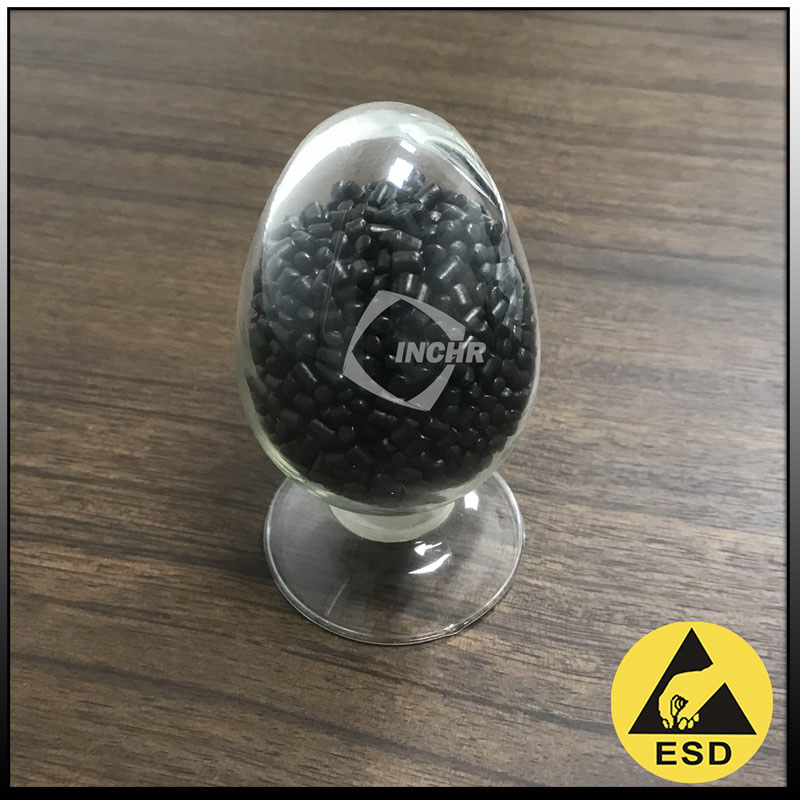
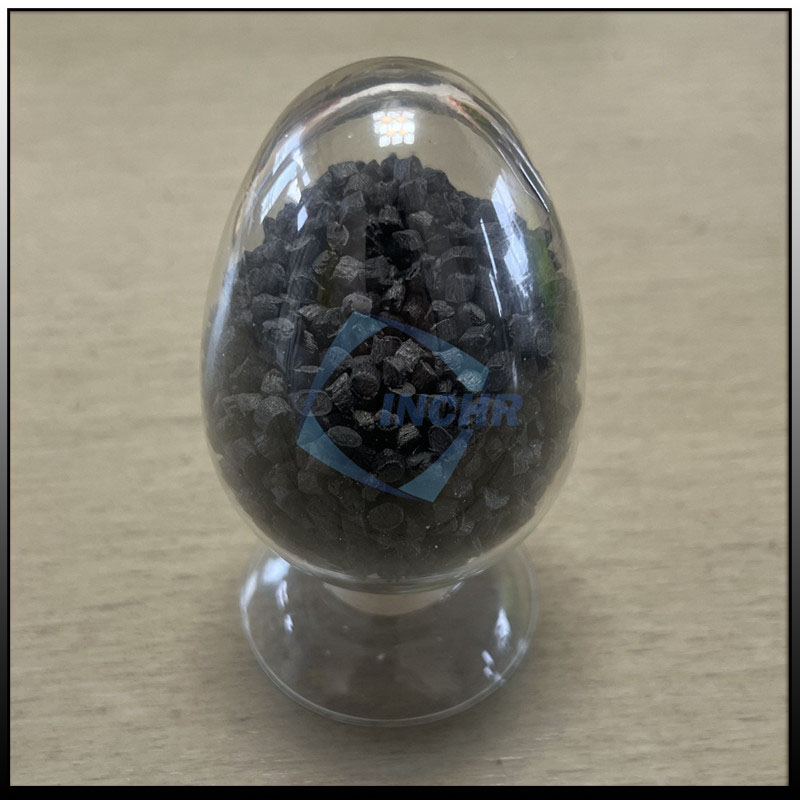
Modern plastic manufacturing faces persistent static electricity issues that compromise product quality and production efficiency. Most pure plastic resins are highly insulating, which easily accumulate static charge during extrusion, blowing, and injection molding. Antistatic masterbatch serves as a cost-effective and high-efficiency functional additive to solve static problems for all kinds of plastic products.
How Does Antistatic Masterbatch Work
Antistatic masterbatch adopts organic static-dissipative formulas that form a micro conductive layer on the plastic surface. It can quickly release accumulated static charge into the air, avoiding static buildup, dust absorption and product adhesion. Unlike temporary surface coating, internal blended masterbatch provides long-term and uniform antistatic performance without easy failure after washing or friction.
Qualified products maintain a stable surface resistance of 10⁶ to 10¹¹ ohms, meeting different industrial static protection standards. It features excellent dispersion and will not produce agglomeration during high-temperature processing.Custom antistatic masterbatch for different plastics
Key Advantages for Plastic Manufacturers
First, this functional masterbatch has strong compatibility with mainstream plastic substrates, including PE, PP, ABS, PET and PVC. It does not affect the original transparency, gloss, tensile strength and other physical properties of finished plastics, which is critical for high-grade packaging and transparent products.
Second, it greatly reduces production defects. Static electricity often causes film overlapping, cutting errors and defective injection parts. Adding a reasonable proportion of antistatic masterbatch stabilizes automated production, reduces waste rate and lowers overall manufacturing costs.
Third, all formulas comply with ROHS, REACH and food-grade safety standards. It supports export-grade products and meets strict environmental and safety requirements for global markets.
Common Industrial Application Scenarios
Antistatic masterbatch covers a wide range of industrial fields. In electronic manufacturing, it is used for ESD packaging bags, plastic trays and component boxes to protect precision electronic parts from static damage. In packaging industry, it produces dust-proof plastic films and food packaging materials for daily and commercial use.
It is also widely applied in industrial injection molding, plastic logistics boxes, and household plastic products. It effectively solves dust sticking and static spark risks in daily use and industrial operation.
Tips for Choosing Quality Antistatic Masterbatch
Many low-quality antistatic additives have unstable performance, short service life or cause plastic yellowing. Manufacturers should choose professional factory-supplied masterbatch with stable resistance data, complete certification reports and customizable formulas. Free sample testing is recommended before bulk orders to match specific production processes.
Conclusion
As static control requirements become stricter in the plastic industry, high-quality antistatic masterbatch has become an essential auxiliary material. With stable performance, wide compatibility and environmental safety, it helps plastic manufacturers improve product quality, reduce defects and enhance market competitiveness.